











































Women entrepreneurs from South Africa, Botswana and Namibia want more than business training. They want access to customers, buyers, finance and the technology that can help their businesses compete in larger markets.
That message ran through the opening of the EntreprenHER Regional Women’s Economic Empowerment Summit, South-to-South Learning Exchange and Market Access Expo in Polokwane on Tuesday.
“The fact is that we do not have access to markets, number one. Number two, the facilities in which we process are not really up to standard with the regulations for food safety,” said Mapula Rapholo, chief executive of Mobi Fresh Produce.
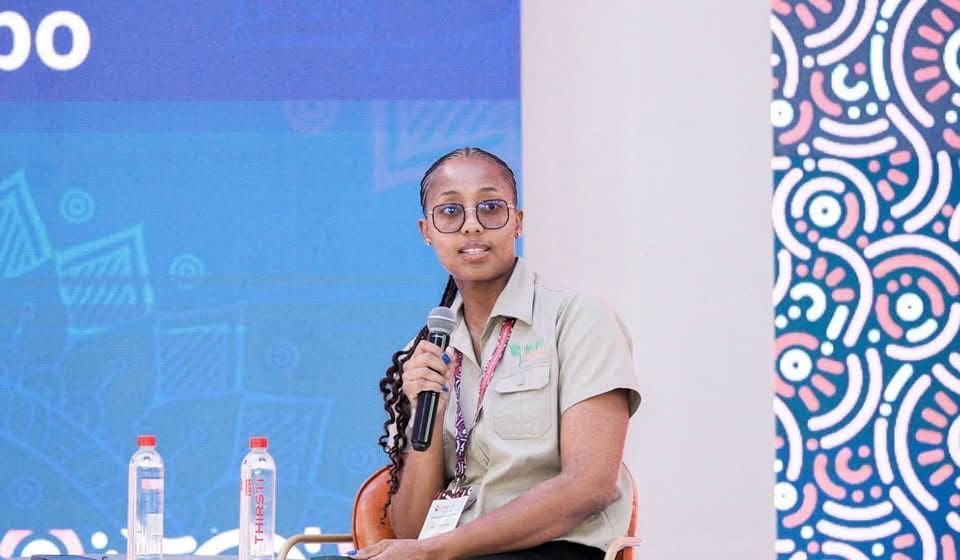
She said finding buyers is only one part of the challenge. Her business also needs better processing facilities to meet food safety requirements and eventually prepare its products for export.
Rapholo started farming in 2016, producing butternut, potatoes, spinach, beans and peppers. Disease infestation and declining soil quality affected production after the farm repeatedly planted crops on the same land.
The setbacks led her to diversify into food processing to keep the business generating income when farming was affected.
Mobi Fresh Produce now makes dried pineapple and mango snacks, mixed fruit and dried citrus products used in cocktails, mocktails and tea infusions. Products start at R55 per pack.
She said better processing facilities would help the business comply with food safety regulations, meet buyers’ requirements and become ready to export.
The business previously supplied spinach to Boxer, Galito’s and Fresh Farm. It later found other customers, supplying butternut through a Foodies franchise supplier and selling potatoes directly to consumers and local food outlets.
Rapholo said buyers assess product samples before discussing prices and supply arrangements, making consistency and quality important. She also stressed the need for business training to help entrepreneurs plan for the future and diversify when one source of income is affected.
Business skills need to lead to opportunities
Namibian entrepreneur Hilia N. Petrus, who runs Hilia N. Petrus Spa & Beauty in Okahandja, said building her nail treatment business took years of learning.
“It was years of learning. In the eighth year, I only knew exactly what I was doing,” she said.
She described her move from informal to formal business operations as an important step, although specialised beauty products remain expensive.
Itani Dzebu, local economic development manager at Musina Local Municipality, said entrepreneurs could know how to calculate costs, manage customers and secure orders but still lack equipment, working capital or transport to deliver.
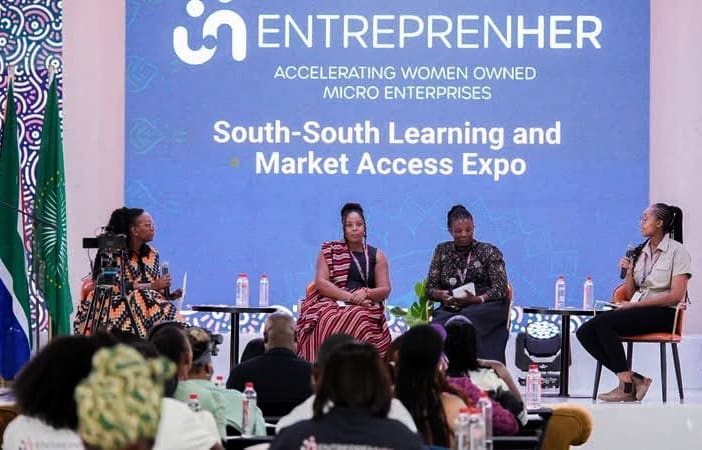
“A woman may know how to calculate finances, how to deal with the customers, how to secure orders. But she could lack equipment, working capital or transport needed for that product,” he said.
He said municipalities could connect businesses with retailers, agricultural companies and hospitality operators. He encouraged women to raise needs such as water, electricity, connectivity and trading spaces through Integrated Development Plan forums.
Regional connections and lasting support
UN Women South Africa representative Aleta Miller said the EntreprenHER programme had supported 4,300 women entrepreneurs across South Africa, Botswana and Namibia since 2018. Its third phase trained 1,323 women, with more than 500 reporting that they had created jobs. Businesses listed on its Fempreneurs online platform generated combined sales of US$21,037 since 2025.
Miller said training needed to be supported by mentorship, finance, market connections and policies that allow women-owned businesses to compete. She called on corporate buyers to consider them when sourcing suppliers.
Limpopo Premier Dr Phophi Ramathuba said the province’s position as a gateway to the Southern African Development Community created opportunities for cross-border trade. She said the real measure of success would be businesses expanding and employing more people.
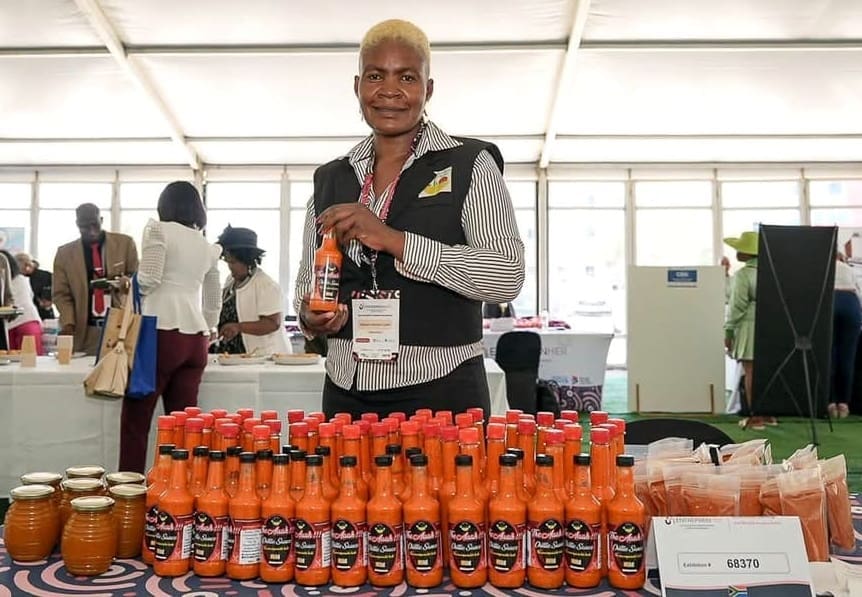
“The real success will be seen when more jobs are created and the companies expand. Once the company expands, it employs more people,” she said.
Tshwane University of Technology deputy vice-chancellor Dr Vathi Papu-Zamxaka said women entrepreneurs continued to face limited finance, unequal participation in supply chains, digital exclusion and inadequate business development support. She said universities should use research, technology and entrepreneurship programmes to address these challenges, including through e-commerce, digital marketing and artificial intelligence.
The three-day summit, convened by UN Women, De Beers Group and TUT, runs until November 19, with business-to-business matchmaking, finance masterclasses and market access activities.