



















































The structural collapse of diamond mining operations across South Africa’s Northern Cape is sending financial shockwaves through the regional economy.
While corporate restructuring and global market downturns dominate executive boardrooms, the immediate crisis is falling squarely on local SME’s, technical contractors, and service providers.
The regional downturn deepened after Kimberley-based Ekapa Minerals applied for provisional liquidation, putting more than 1,000 jobs at risk.
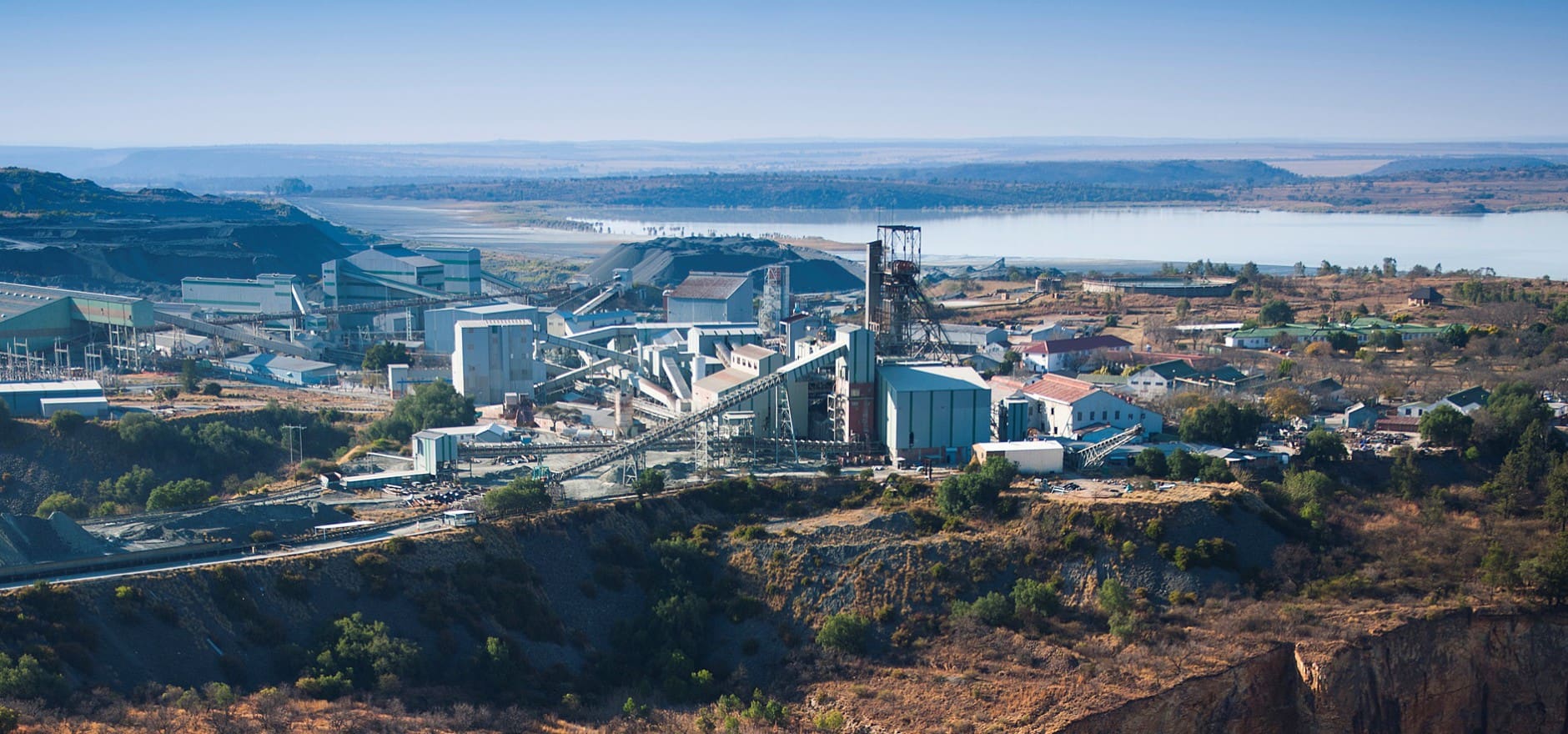
Shortly after, London-listed Petra Diamonds placed its flagship Finsch Diamond Mine near Lime Acres under business rescue.
Unpaid invoices freeze small enterprise cash flow
For local SMEs integrated into the mining supply chain, the sudden halt in payments has crippled business operations.
Service providers spanning equipment maintenance, catering, transport, and logistics report that mine management has delayed payments for months, forcing small operators to suspend operations and lay off staff.
Maintenance contractor Michael Kotze, who has operated in the Northern Cape mining belt for nearly two decades, stated that the payment freezes have forced local technical teams to stop working.
“You feel lost and you do not know how you will stand up and go on,” Kotze said. “The mine has been owing us money since March, and some of our contracts were last paid in December last year. Right now you cannot operate, and our workers are at home because we cannot pay them.”
The cash flow crunch extends directly to township-based suppliers.
Marlene Van Schalkwyk, an independent contractor who operates catering services for mine staff, noted that unpaid invoices have created a domino effect across her own vendor network.
“Financially, I could not pay some of my suppliers as yet, and at home I cannot pay my rent,” Van Schalkwyk said. “The most important thing is my staff, and I could not pay them at the end of May.”
Global market pressures and retrenchment threats
The crisis stems from severe macro-economic headwinds hitting the natural diamond sector globally.
Petra Diamonds Chief Executive Vivek Gadodia cited an unprecedentedly weak global diamond market, driven by macro uncertainty, rising competition from synthetic lab-grown diamonds, and falling prices for smaller stones.
At Finsch Mine, rough diamond prices fell to an average of $47 (R770) per carat, causing annual revenues to tumble from $120 million down to $70 million Organised labour has strongly criticised corporate management for attempting to attribute the financial crisis to workforce costs.
“It is unacceptable for companies to continuously point fingers at labour costs whenever they face operational or financial challenges,” said Masibulele Naki, NUM Petra Diamonds chief negotiator. “Executive remuneration, management decisions, investment strategies, market conditions, and operational inefficiencies should also be considered when assessing the company’s position.”
Naki called on National Treasury, the Department of Mineral and Petroleum Resources, and the Department of Trade, Industry and Competition to launch an urgent multi-stakeholder intervention. “The government cannot be a spectator while nearly 1,800 workers and their families face an uncertain future,” Naki added.
The road ahead for regional suppliers
Joint provisional liquidators marketing Ekapa Minerals under Project Kimberley 158, have opened a formal sale process to identify buyers capable of acquiring the mine as a going concern.
However, with a 90-day liquidation window closing in mid-August 2026, time is running out for local business owners.
Without swift recovery or state-supported relief mechanisms for local supply chains, small contractors in the Northern Cape face permanent closure, threatening to undo decades of local enterprise development in the province.