


















































South Africa’s fashion industry continues to produce skilled graduates yet many struggle to build profitable businesses in a market shaped by high production costs, limited access to finance and growing competition from international fast-fashion retailers.
Unlike many small businesses, fashion brands require significant investment before they make their first sale. Entrepreneurs must pay for fabrics, pattern making, manufacturing, branding, marketing and distribution, often without access to traditional business funding.
For many graduates, design competitions have become an important source of financial support.
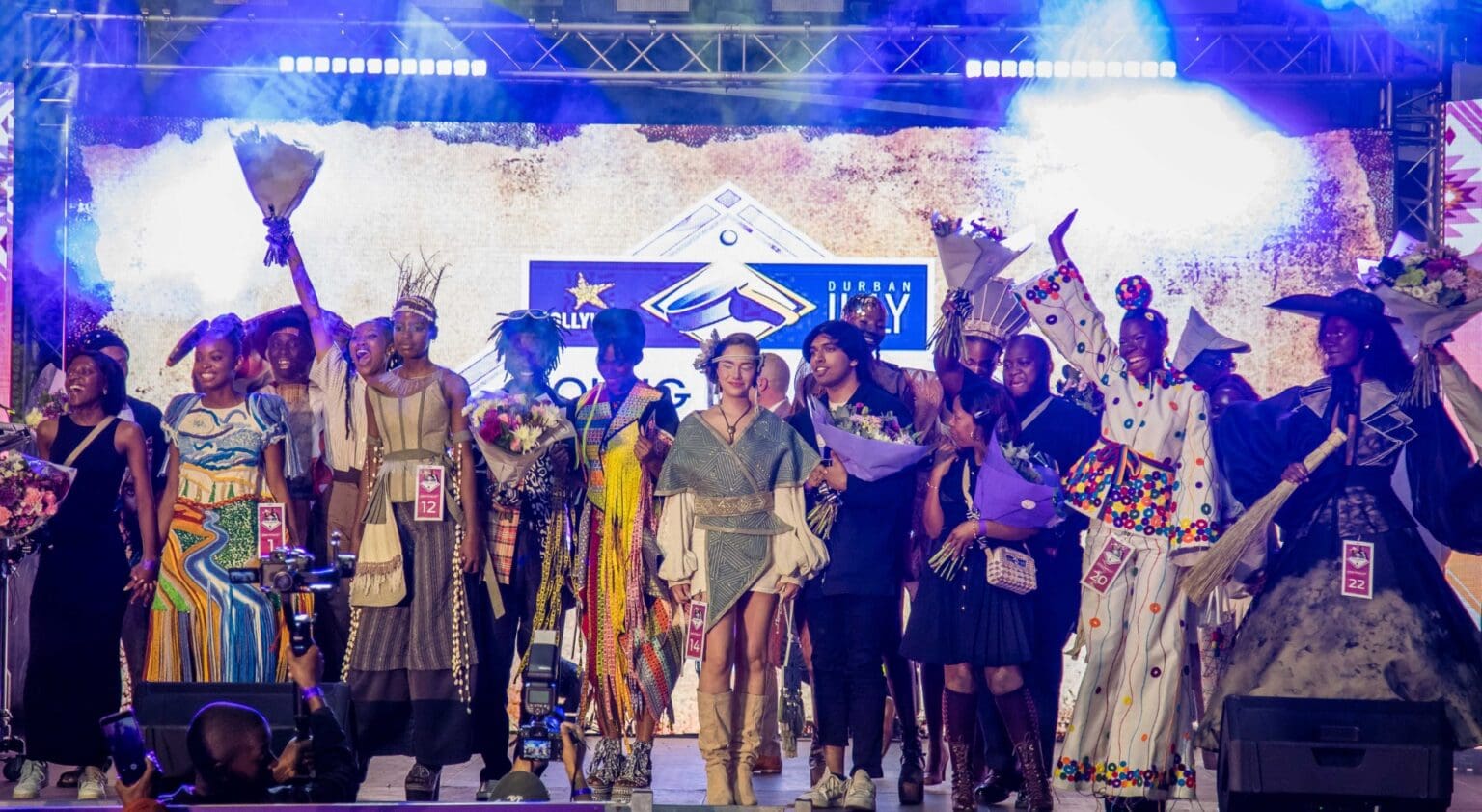
More than 140 fashion design students from 10 colleges and private academies have entered the 2026 Hollywoodbets Durban July Young Designer Award, using this year’s Country Allure theme to showcase their creative and technical skills.
Following the first round of judging, 25 semi-finalists have advanced, with the eventual winner set to receive a R70,000 bursary from the Hollywood Foundation, additional cash prizes and an opportunity to attend SA Fashion Week. Second and third place will receive bursaries worth R50,000 and R30,000 respectively.
While the annual competition is one of South Africa’s premier fashion events, it also highlights a much bigger business challenge: how young designers can turn creative talent into sustainable small and medium-sized enterprises.
Bursaries help ease debt but startup costs remain
The structure of these awards means they often provide debt relief rather than direct startup capital. Under the Hollywood Foundation bursary model, funding is paid directly to accredited academic institutions to settle outstanding study costs or fund further education rather than being handed to winners as cash.
This approach strengthens educational support but does not necessarily provide the capital needed to purchase equipment, secure production space or buy materials for a growing fashion business.
The process also requires participating institutions to meet bursary compliance requirements, ensuring that funding is distributed through recognised educational structures.
For many young entrepreneurs, the biggest challenge begins after graduation, when they need working capital to move from designing garments to running a business.
Building local supply chains
Despite these financial constraints, the competition encourages designers to draw inspiration from local culture and craftsmanship, creating opportunities for small businesses throughout the fashion value chain.
Hollywood Foundation Marketing Manager and Young Designer Award judge Vuyisile Ngobese said this year’s entrants embraced the theme in uniquely South African ways.
“When the theme was initially launched, a number of people said it was a tricky one and asked why we drew on an international Western concept like Country. This said, I am happy to see that the lecturers were able to give instruction and direct the students in terms of how the theme can be unpacked from the perspective of being a South African, and looking at different aspects that make our country alluring,” he said.
This focus on local identity has wider economic benefits. Small enterprises involved in tailoring, textile production, embroidery, beadwork and other specialised crafts often experience increased demand around major fashion events such as the Durban July.
Success depends on more than creativity
Emerging designers are now launching businesses through social media platforms and direct-to-consumer sales rather than relying solely on traditional retail stores. While these channels lower some barriers to entry, building a sustainable business still requires consistent customers, reliable production capacity and access to growth funding.
Fashion designer and competition judge Kathrin Kidger believes this year’s participants have shown a significant improvement in both creativity and technical ability.
“I think this year’s standard has massively improved. I love the fact that they have gone deeper than surface motifs or theme, and have produced garments that are way above standard. All of this leaves me super inspired,” she said.
However, long-term success will depend on whether these young designers can turn competition exposure into sustainable businesses that create jobs and contribute to South Africa’s creative economy.
As the Hollywoodbets Durban July prepares for its 130th running, the event raises an important question beyond the runway: whether South Africa is doing enough to help talented designers move from the classroom to the marketplace and build the next generation of fashion SMEs.