

































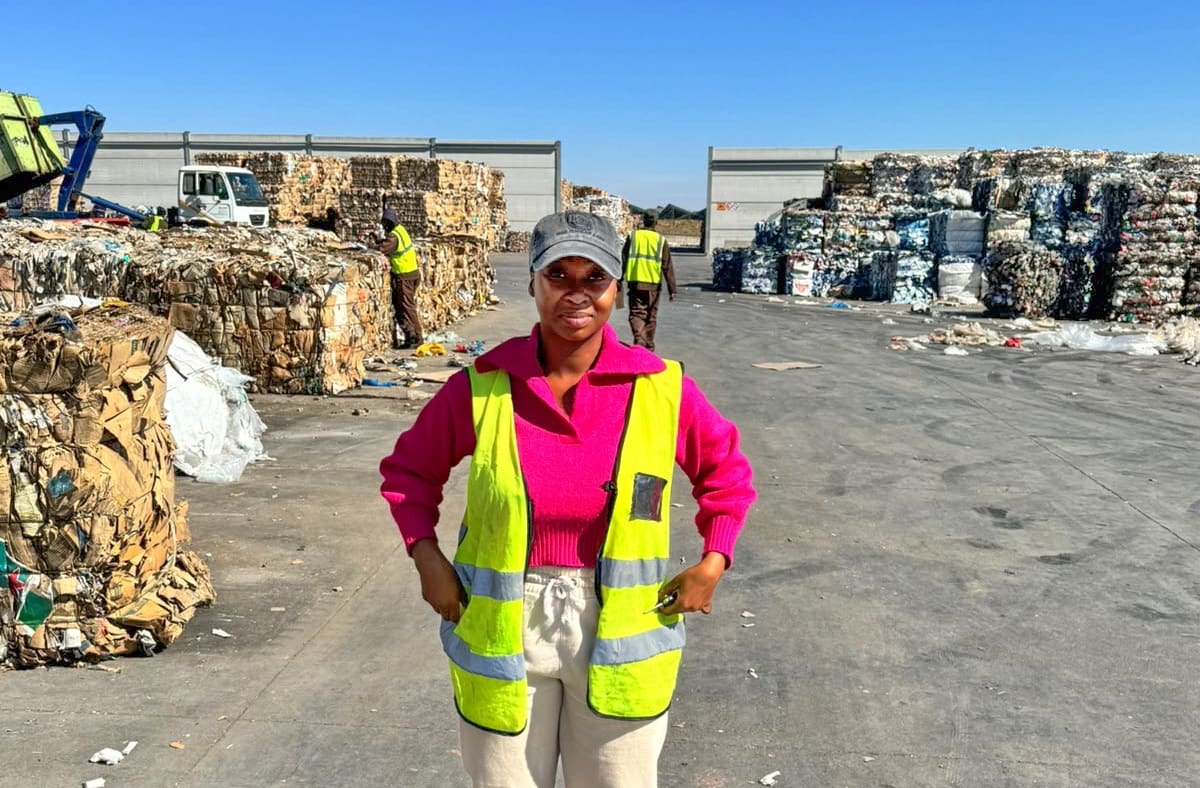
A recycling entrepreneur from Daveyton is demonstrating how waste management can contribute to both environmental sustainability and economic growth through a community-centred business model.
Kabelo Albina Sebiloane, founder and director of Leano La Sechaba Waste Management and Consultancy, established the business in April 2025 after recognising the growing challenge of illegal dumping and unmanaged waste in local communities.
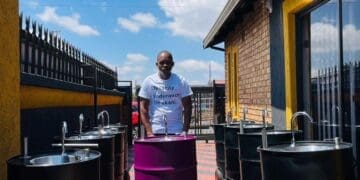
Operating in Daveyton, Ekurhuleni and surrounding areas, including Benoni, the company works with households, local waste reclaimers and businesses to collect and process recyclable materials such as plastics, white paper and scrap metals before selling them to industrial recycling processors.
Sebiloane said the business was inspired by a desire to transform environmental challenges into economic opportunities.
“Seeing widespread illegal dumping and unmanaged waste accumulating in local neighbourhoods made me realise that environmental degradation isn’t just an ecological problem, it’s an economic opportunity. I wanted to create a community-centred solution that turns environmental pollution into tangible financial value for residents,” she said.
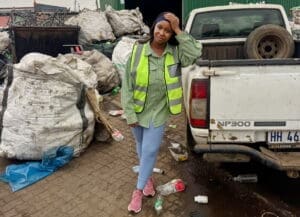
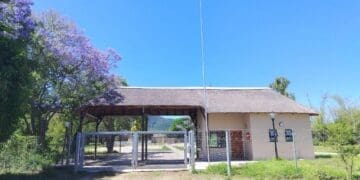
The company operates a structured buy-back system where community members and informal waste reclaimers bring recyclable materials to its facility. Materials are weighed, sorted and graded before collectors receive immediate payment based on market-related rates. The recyclables are then processed and aggregated
before being sold to manufacturers for reuse.
According to Sebiloane, establishing the business came with several challenges, including securing capital and equipment, educating communities about waste separation and overcoming the stigma associated with waste picking, as well as managing cash flow between paying collectors and receiving payment from recycling
companies.
Despite these challenges, the business has grown in operational capacity, increased its daily payout volumes and diverted more recyclable waste from landfill sites. Sebiloane said the enterprise has also created meaningful benefits for the community.
“We have transformed local eyesores into functional economic hubs, provided consistent daily income to dozens of waste collectors, and fostered genuine community pride around local environmental care,” he said.
She believes recycling businesses play a vital role in South Africa's circular economy by reducing greenhouse gas emissions, preventing groundwater contamination from illegal dumping, lowering demand for virgin materials and creating accessible income opportunities in communities with high unemployment.
Offering advice to aspiring recycling entrepreneurs, Sebiloane encouraged them to start with available resources, understand commodity markets and prioritise trust within their communities.
“Pay fairly, weigh accurately, and treat every collector who comes through your gates as
an essential business partner. Your business relies entirely on the strength of your local
supply network,” she added.
Leano La Sechaba Waste Management currently has four employees, three of them on full-time contracts and while the other is part-time.
“In the next few coming years, I want to establish a full recycling plant with all the infrastructure in place. Also run a Waste Management academy focusing on tech innovation,” concluded Sebiloane.