








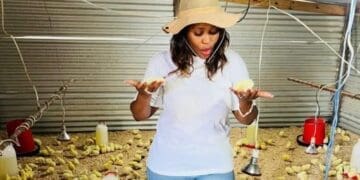





























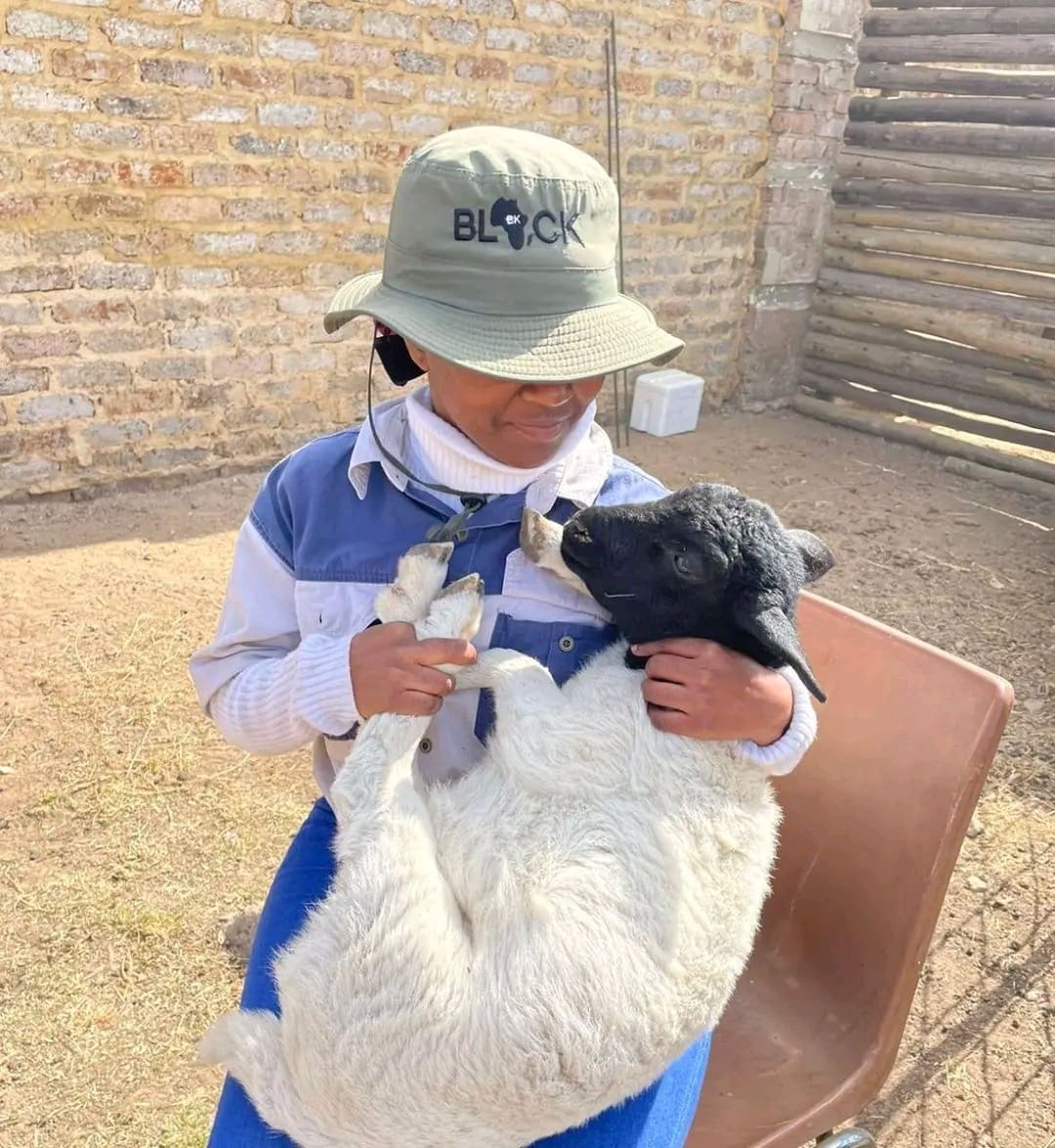
Nokwanda Prettygirl Msomi, the founder and managing director of Prettygirl Integrated Farm (Pty) Ltd in Delmas, Mpumalanga, has built a registered agricultural enterprise that bridges the gap between commercial primary production and community empowerment.
Msomi’s journey into the agricultural sector did not happen by accident. Her passion for animal welfare and livestock handling was shaped at an early age, but she knew that building a sustainable modern business required a strong technical foundation.
She invested heavily in specialised education, completing formal qualifications in Animal Health, Livestock Production, and Layer House Management.
“The inspiration behind Prettygirl Integrated Farm came from my desire to create a business that contributes to food security, creates opportunities for young people, and demonstrates that agriculture can be a profitable and rewarding career path for young women,” Msomi says.
Her commercial operations officially started in 2021, beginning with small-scale trading and direct, localised sales. Upon finishing her agricultural studies, she formally registered the company to transition it from an informal side hustle into a high-standard enterprise capable of consistently serving structured corporate and retail clients.
Choosing which livestock sector to target was a deeply analytical commercial decision. While beef and crop farming often demand immense startup capital, expensive advanced machinery, and sprawling land tracts, small stock presented an accessible and highly resilient entry point.
“I chose to focus on goats and small stock farming because goats are resilient animals that adapt well to different climatic conditions and production systems,” she explains. “They require relatively lower start-up capital compared to some other livestock enterprises and can provide quicker returns. Goat farming also presents opportunities in breeding, meat production, and value-added products, making it an accessible entry point for emerging farmers.”
However, even with lower initial costs, finding institutional funding remains one of the steepest hurdles for young black agripreneurs in South Africa. Without access to formal bank loans or development grants, Msomi had to rely on grass-roots resourcefulness to build her initial capital runway.
“In the early stages, I financed the business through income generated from selling meat door-to-door,” Msomi reveals. “Those earnings helped me build initial capital and gain a better understanding of customer needs. I also received encouragement and support from my dad, who believed in my vision.”
Using those door-to-door margins, she slowly accumulated stock, established strict biosecurity measures, and grew her herd capacity. Today, the Delmas-based enterprise has evolved into a reputable commercial operation that supplies households, localized corporate businesses, and formal retail outlets.
While demand for small stock remains exceptionally robust across South Africa, boosted by consistent commercial consumption, specialised breeding markets, and the highly lucrative demand for live animals used in traditional and cultural ceremonies, profitability remains under constant pressure.
Msomi notes that emerging small stock managers face a relentless mix of input costs and environmental risks that require disciplined management. Rising feed costs, escalating veterinary medicine inflation, severe climate variability, and the systemic threat of rural livestock theft all squeeze thin profit margins.
Furthermore, access to formal value chains remains highly restricted for independent smallholders who cannot guarantee steady, year-round volume to large commercial buyers.
“Market access is particularly important because even productive farms cannot succeed if they struggle to connect with buyers consistently,” she points out.
To push past these structural bottlenecks, Msomi’s long-term growth strategy focuses heavily on downstream value addition rather than just primary livestock rearing. Her roadmap includes establishing dedicated processing and meat manufacturing facilities in Mpumalanga to manufacture packaged consumer products, process hides, and scale specialized breeding genetics.
As her agricultural enterprise expands, Msomi is ensuring that her operational growth creates a wider social ripple effect. Her business model actively incorporates community training, mentorship programs, and agricultural awareness drives designed to equip local youth and women with practical farming skills.
“My commitment to training and mentorship is rooted in the belief that agriculture grows stronger when knowledge is shared,” she says. “Throughout my own journey, I benefited from education, mentorship, and support from others. Sharing information is my way of helping aspiring farmers avoid common mistakes and build sustainable businesses.”
“My advice to young South Africans interested in agriculture is simple: start where you are and with what you have,” Msomi says. “Invest in education and practical experience, seek mentorship, be patient, and approach farming as a business. Success in agriculture requires commitment, discipline, and a willingness to learn continuously.”