







































Mpumalanga’s transition away from coal is emerging as more than an environmental challenge. For the province’s small, medium and micro enterprises (SMMEs), it could determine whether the next phase of economic development creates new businesses and jobs or leaves local entrepreneurs struggling to survive after decades of dependence on the coal economy.
The issue was highlighted during a capacity-building workshop hosted by the Community Institutional Infrastructure and Voices for Inclusive Change (CIIVIC) Project, where communities explored how climate change, mine closures, and the move towards cleaner energy could affect jobs, informal businesses, local suppliers, and municipal economies.
The discussions point to a key question for Mpumalanga: are local businesses ready to participate in the green economy?
From coal to green business opportunities
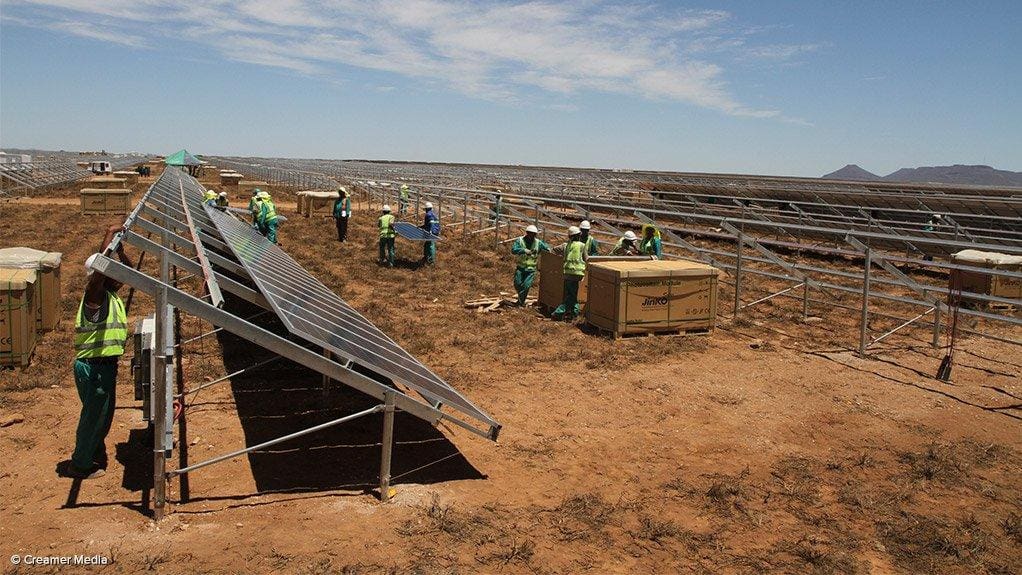
The Just Transition could create new markets for businesses involved in renewable energy, waste management, recycling, climate-smart agriculture, environmental rehabilitation and green construction.
For a small business owner, these sectors could provide opportunities to diversify away from industries linked directly or indirectly to coal.
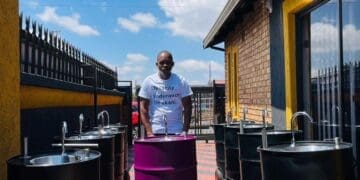
Thandi Maseko, recycling entrepreneur based in Mpumalanga.
“Small businesses want to be part of the green economy, but many of us do not know where to start. We need training on how to tender for contracts, access finance and meet the requirements of large companies,” she said.
The opportunity is significant. As new renewable energy and environmental projects are developed, demand is likely to grow for local transport, construction, maintenance, waste collection, landscaping, security, catering and other support services.
The transition is also raising concerns among communities that have historically relied on mining and coal-related economic activity.
Sibusiso Dlamini, a community member in Ngodwana, said that “communities must not be spectators.”
“When mines close or reduce operations, local businesses lose customers. The new economy must create replacement opportunities for young people and entrepreneurs,” Dlamini said.
This is particularly important for municipalities whose local economies have depended heavily on mining-related revenue and employment.
If the transition is not carefully managed, the loss of coal-linked economic activity could have a knock-on effect on small retailers, informal traders, transport operators and service providers.
Finance and skills remain the missing link
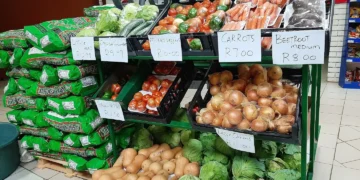
While green industries present opportunities, many SMMEs face barriers to entering new value chains.
These include limited access to affordable finance, a lack of technical skills, high compliance costs and difficulty securing contracts with large corporations and government institutions.
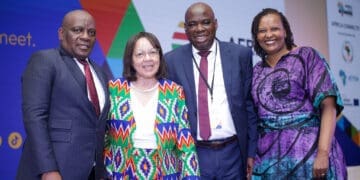
Gift Mkhatshwa of the Mpumalanga Green Cluster Agency MGCA argues that the Transition should be about building the local economy.
“The Just Transition should not only be about replacing coal with renewable energy. It should be about building local economic ecosystems around new industries. SMMEs need targeted finance, technical support and access to procurement if they are going to become suppliers rather than observers,” Mkhatshwa said.
The green transition could provide a chance to diversify the economy and build new businesses in sectors that are expected to grow. But this will require deliberate intervention. Local SMMEs need access to funding, mentorship, business development services and procurement opportunities.
Large renewable energy and infrastructure projects should also be encouraged to develop local supplier networks that include businesses from affected communities.