





































By Tumelo Khotha
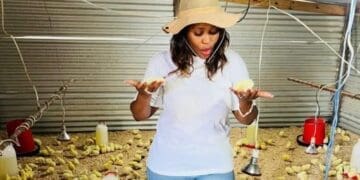
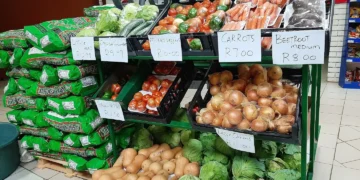
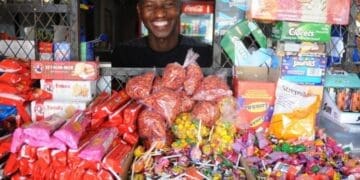
The daily reality of running a small business used to mean braving the elements and enduring constant uncertainty for Nancy Molise, a street hawker from Qwaqwa in the Free State.
Today, operating under cover at the old Setsing Plaza in Phuthaditjhaba, her perspective offers a rare glimpse of hope amid broader economic frustration.
“We are safe when the rain falls. We also feel like human beings when we report for work. Our dignity and confidence have returned,” Molise told Vutivi Business News.
Yet, for the majority of small, medium, and micro-enterprises (SMMEs) across the Free State, Molise’s experience remains an exception rather than the rule. With local government elections approaching, widespread scepticism persists over whether critical service delivery issues—such as unreliable power and water supply—will ever be resolved.
Many entrepreneurs feel ignored, describing political campaigns as brief periods of grand promises followed by years of silence once votes are cast.
Political parties across the spectrum, including the ANC, DA, MAP 16, SAKRO, AIC, and the Dikwankwetla Party of South Africa, face growing criticism for failing to communicate with and support local enterprises.
Alison Oates, the Democratic Alliance’s regional chair, said municipalities must take a proactive approach to engaging small businesses. She highlighted that key revenue drivers like manufacturing and agriculture contribute significantly to municipal rates but receive little in return.
“The municipality should engage with farmers and ensure at least some of these rates are ploughed back into agricultural areas,” Oates noted, adding that entities like the Free State Development Corporation (FDC) and the Special Economic Zone (SEZ) need structured, regular alignment with local government.
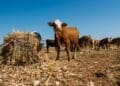
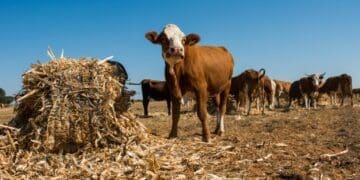
Agriculture remains the lifeblood of the regional economy. Lebohang Moshoaliba, acting manager for Local Economic Development at the Thabo Mofutsanyana District Municipality, highlighted that agriculture contributes the most to local Gross Domestic Product (GDP) and job creation, with manufacturing accounting for roughly 7.6% of gross value added through agro-processing.
Moshoaliba outlined key measures to assist SMMEs, including compliance support, preferential procurement policies, timely payments, and business development. He stressed that providing core infrastructure—roads, water, energy, and waste management—is vital to lowering business operating costs. “Good services bring investment,” he said.
However, business analysts remain cautious. Tshepo Moloi of Moloi Business Solution pointed out that continuous political instability severely hinders long-term progress. He noted that frequent executive committee reshuffles in municipalities—often occurring every six months—prevent meaningful, sustained policy implementation.
As election day draws near, Free State business owners are asking for transparency, reliable infrastructure, and consistent communication rather than fleeting campaign promises.