















































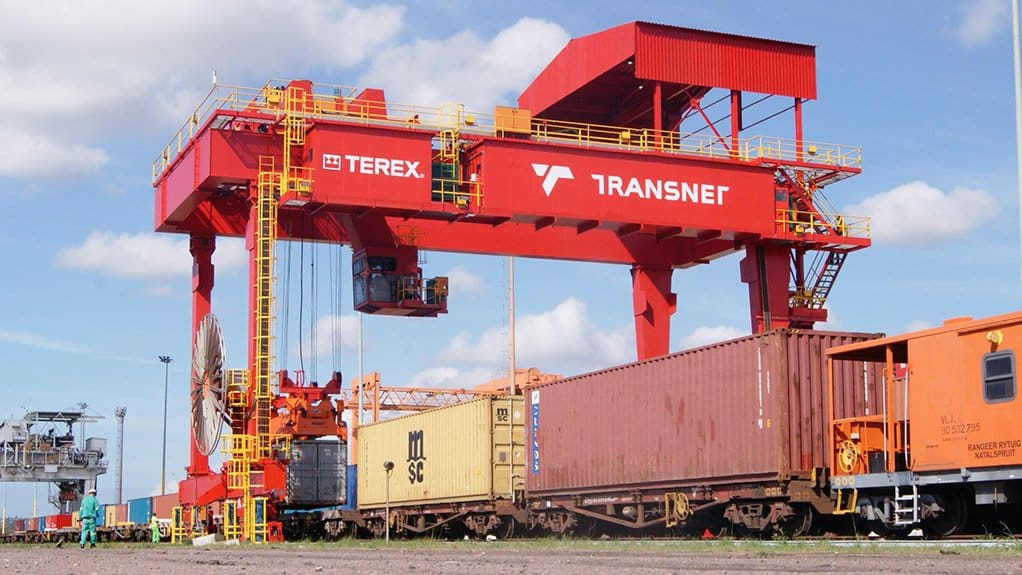
Small businesses across South Africa’s retail, manufacturing and e-commerce sectors are warning that rising logistics costs linked to Transnet are beginning to squeeze already thin margins, with some firms reducing stock orders, delaying expansion plans and raising prices to stay afloat.
The pressure follows the implementation of new container related charges across parts of the freight and port system, including the R52 per container “fuel neutrality” surcharge introduced by Transnet Port Terminals from 1 May.
Industry groups say the additional charges come at a time when SMEs are already dealing with weak consumer spending, volatile fuel prices and rising operational costs.
Freight and logistics stakeholders have warned that the impact will not remain confined to ports and shipping companies. Instead, the costs are expected to ripple through supply chains and ultimately affect small businesses and consumers across the economy.
SMEs absorb the shock as logistics costs climb
“There is nothing ‘neutral’ about adding R52, or any cost, into the logistics chain,” said Gavin Kelly, chief executive of the Road Freight Association.
Kelly warned that higher logistics costs eventually filter into retail prices and place pressure on already strained businesses and households.
“The total logistics cost will increase and be reflected in upward pressure on the final price of the goods when purchased by the consumer,” he said in response to the surcharge announcement.
Shipping companies, including Hapag-Lloyd and Maersk, also issued notices confirming the implementation of the fuel neutrality charge across South African terminals, warning clients that adjustments could fluctuate monthly depending on diesel prices.
For SMEs dependent on imported stock and interprovincial freight movement, the increases are already changing operational decisions.
“We used to bring in larger stock volumes every second month, but now we split orders because clearing and transport costs have become unpredictable,” said Zoleka Vundla, founder of Johannesburg based skincare retailer Nala Botanics.
“The problem is that consumers are also under pressure, so SMEs cannot simply increase prices aggressively. You either absorb the losses or risk losing customers,” she said.
Vundla added that shipping delays and rising courier charges are further affecting delivery times and customer retention in the online retail space.
Manufacturing SMEs fear long-term competitiveness damage
Smaller manufacturers say the logistics environment is becoming increasingly difficult for businesses trying to compete with larger firms that have stronger supply chain bargaining power.
Tshepo Mokgoro, owner of North West packaging business Kuta Industrial Supplies, said transport inflation is now affecting almost every stage of production.
“Raw materials cost more to transport, finished products cost more to distribute, and delays create additional storage expenses. For SMEs, logistics problems do not stay in the background anymore. They directly affect profitability,” he said.
Mokgoro said smaller firms are especially vulnerable because they often lack the financial reserves needed to absorb repeated cost increases.
The South African Association of Freight Forwarders has raised concerns about inefficiencies within South Africa’s freight and port systems, warning that delays, congestion and infrastructure challenges continue increasing the cost of doing business.
Transnet has defended tariff and operational adjustments as necessary to sustain infrastructure recovery and improve long-term freight efficiency. During recent logistics briefings, executives said investment into ports, rail and terminal operations remains critical to restoring reliability across South Africa’s supply chain network.
Rising freight costs threaten SME growth
Economists say the burden falls disproportionately on SMEs because transport and logistics consume a larger share of their revenue compared to bigger corporations.
Analysts from the Bureau for Economic Research have previously warned that inefficiencies in logistics systems weaken business competitiveness and place additional pressure on growth and investment.
For many SMEs, the concern is no longer only about profitability but survival.
“When logistics costs rise every few months, planning becomes difficult,” said Vundla.
“You start operating in survival mode instead of focusing on growth, hiring or expansion.”
Industry stakeholders warn that unless operational efficiencies improve across freight systems, continued cost escalation could undermine the ability of small businesses to compete effectively in both domestic and regional markets.