








































Young entrepreneur Junior Makgoka, 28, was a notable guest during the delivery of the 2026\7 budget for the Limpopo Department of Economic Development, Environment and Tourism (Ledet) in the Limpopo Provincial Legislature in Lebowakgomo recently.
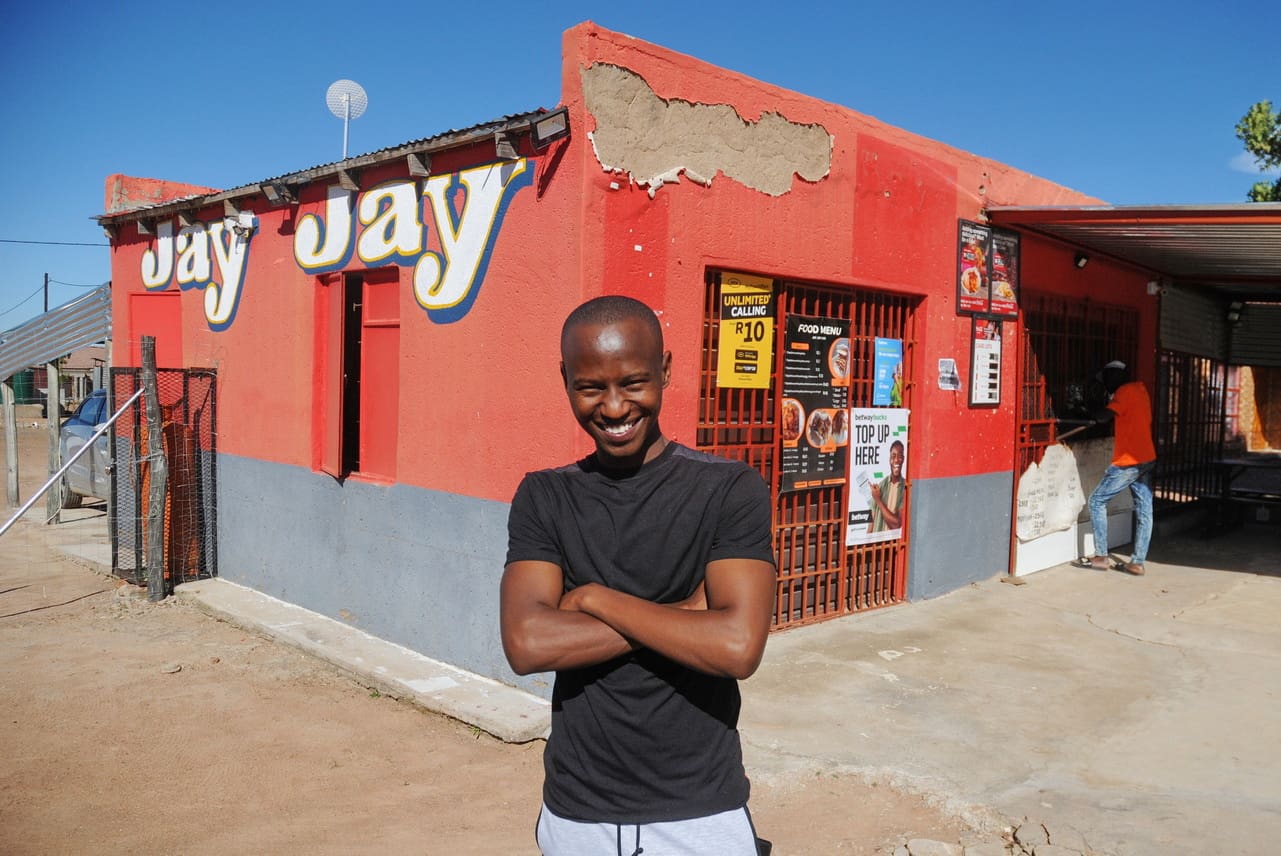
Makgoka, the founder of JJ Café in Moletjie, a sprawling village settlement west of Polokwane, is carving out a remarkable entrepreneurial path. Makgoka is a beneficiary of the Limpopo Township and Rural Business Support Programme.
The programme has supported 160 enterprises with essential business equipment. Another programme, the Limpopo Retail and Wholesale Support Programme, has assisted 145 enterprises. Of these, 45 were supported in partnership with Coca-Cola Beverages South Africa and received business equipment, while 100 enterprises participated in the Spaza Shop Fund capacity-building workshop.
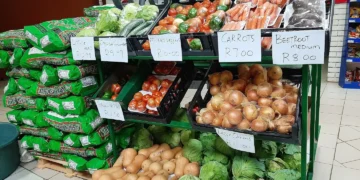
Makgoka runs a spaza shop, a fast-food outlet, and internet services. His story began in 2019, when he was working as a cashier earning R4,600 a month. A devout Christian, he donated his first salary in line with the biblical principle of “first fruits.”

What followed was, in his words, a miracle. He received an unsolicited scholarship from Absa worth R46,000, which he used to clear his university debt and left him with R8,000 in savings.
That modest sum became the seed capital for his first venture—a chicken business. By 2022, he had expanded into spaza shops, fast food outlets, and an internet café, eventually establishing JJ Café with two branches and a mobile kitchen.
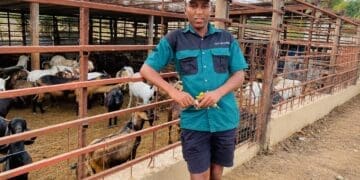
Junior Makgoka is a beneficiary of the Limpopo Township and Rural Business Support Programme. Photo. Lucas Ledwaba\Mukurukuru Media
“The most challenging thing when I started the business was labour,” Makgoka explained.
Like many small business owners, he initially relied on family members to keep operations afloat. Over time, as revenue grew, he was able to employ three permanent staff members, recruited through social media platforms and local advertising.
Competition also posed hurdles, particularly from foreign-owned shops. Yet Mahoka identified a gap.
“They never advertise their business. We exploited that shortfall and prioritised marketing, which helped us outcompete them,” he said.
JJ Café’s model is built on diversification. On weekdays, the outlets sell more than 30 kotas, with sales surging to over 80 on weekends and more than 100 during holidays. The internet café side of the business peaks during university application season, while printing services and bread sales provide steady supplementary income.
This multi‑stream approach ensures resilience in a rural market where demand fluctuates. Support from government and private initiatives has also been pivotal. Makgoka received R42,000 from the National Youth Development Agency (NYDA) to grow his chicken business, followed by assistance from the Small Enterprise Development and Finance Agency (Sefda).
In 2023, Ledet, in partnership with Coca‑Cola’s Business in a Box program, renovated his shops and donated a mobile kitchen valued at R80,000.
“It made a remarkable impact,” Makgoka said. “We gained recognition from the department, exposure through radio interviews, and customer trust. People started to see our brand as legitimate.”