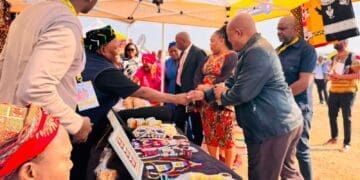




























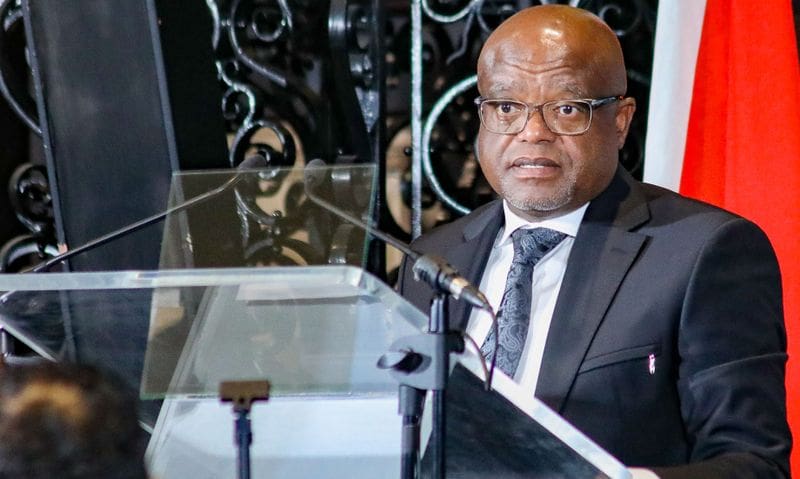
City of Joburg executive mayor Dada Morero says the City remains committed to supporting small businesses and improving economic inclusion, especially in township and inner-city economies.
Morero delivered the 2026 State of the City Address (SOCA) on Wednesday, outlining plans to improve economic growth, infrastructure and job creation, as small and medium enterprises (SMEs) continue to face pressure from service delivery failures and rising operating costs.
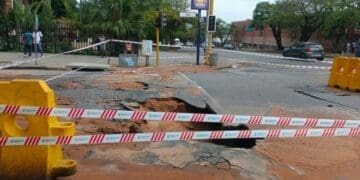
The address came as Johannesburg continues to struggle with water shortages, electricity outages, potholes and deteriorating infrastructure, all of which are increasing costs and disrupting business operations across the metro.
On the ground, SMEs continue to face rising rents, transport costs and unstable trading conditions, particularly in inner-city areas.
Some businesses have shifted to online platforms and home-based operations to reduce costs, while others continue relying on informal trading spaces to remain active.
Entrepreneurs say electricity disruptions, transport costs and limited access to affordable trading space continue to affect daily business operations.
Morero said the government must ensure SMEs are not only supported through programmes, but are also able to grow sustainably within the economy.
However, business stakeholders continue to question how quickly these plans will improve operating conditions for small businesses facing rising costs and infrastructure challenges.
For now, Johannesburg continues to balance long-term economic plans with immediate challenges affecting businesses across the city.
Finance Minister Enoch Godongwana recently intervened over a controversial R10.3 billion wage agreement between the city and the South African Municipal Workers’ Union, warning about Johannesburg’s strained financial position.
He also raised concerns over rising debt levels and cash flow challenges, while Eskom has warned it may reduce or interrupt electricity supply to some bulk points over debt reportedly exceeding R5.2 billion.
The city has also faced criticism over high salary packages at municipal entities, including the Johannesburg Property Company and City Power, amid ongoing service delivery failures affecting the business environment.
“Our responsibility now is to build on this momentum by accelerating investment, supporting businesses, strengthening service delivery, and ensuring that more residents are able to participate meaningfully in the economy of the City of Johannesburg,” Morero said.
He said Johannesburg remains a key economic hub, but warned that infrastructure challenges continue to constrain growth, investment and business activity.
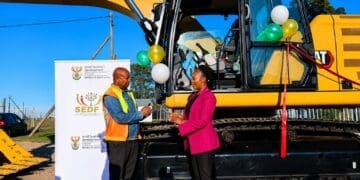
Morero said 179 small, micro and medium enterprises were supported through infrastructure-related projects, while 330 Expanded Public Works Programme opportunities were created.
The mayor also highlighted recent operations targeting illegal activity in the Johannesburg CBD, including businesses accused of employing undocumented foreign nationals, as part of efforts to restore order and stabilise trading conditions.
While the City presented its plans for growth, business organisations and SME-focused institutions have previously raised concerns about the gap between policy and real economic conditions.
Business advocacy groups such as the Black Business Council and the Small Business Institute have repeatedly called for improved market access, reduced regulatory barriers and stronger support for small enterprises, particularly for emerging and township-based businesses.
These organisations argue that, although policy frameworks exist, many small businesses continue to face difficulties accessing funding, securing trading space and competing in supply chains that remain dominated by larger, established firms.
They have also pointed to challenges such as high compliance costs, limited access to formal markets and slow implementation of support programmes, which they say continue to restrict SME growth despite government interventions.
The City said its infrastructure backlog is estimated at more than R220 billion, affecting roads, water systems, electricity supply and other public infrastructure. Morero said these challenges are slowing economic growth and must be addressed urgently.