













































In a small village outside Kuruman in the Northern Cape, entrepreneur Kealeboga Tshikovhi is proving that waste can be transformed into opportunity.
As the founder and CEO of Lamo Fuel, also known as Tehilla Legacy, Tshikovhi has built a business that converts used cooking oil into biodiesel, helping industries reduce carbon emissions while contributing to South Africa’s growing green economy.
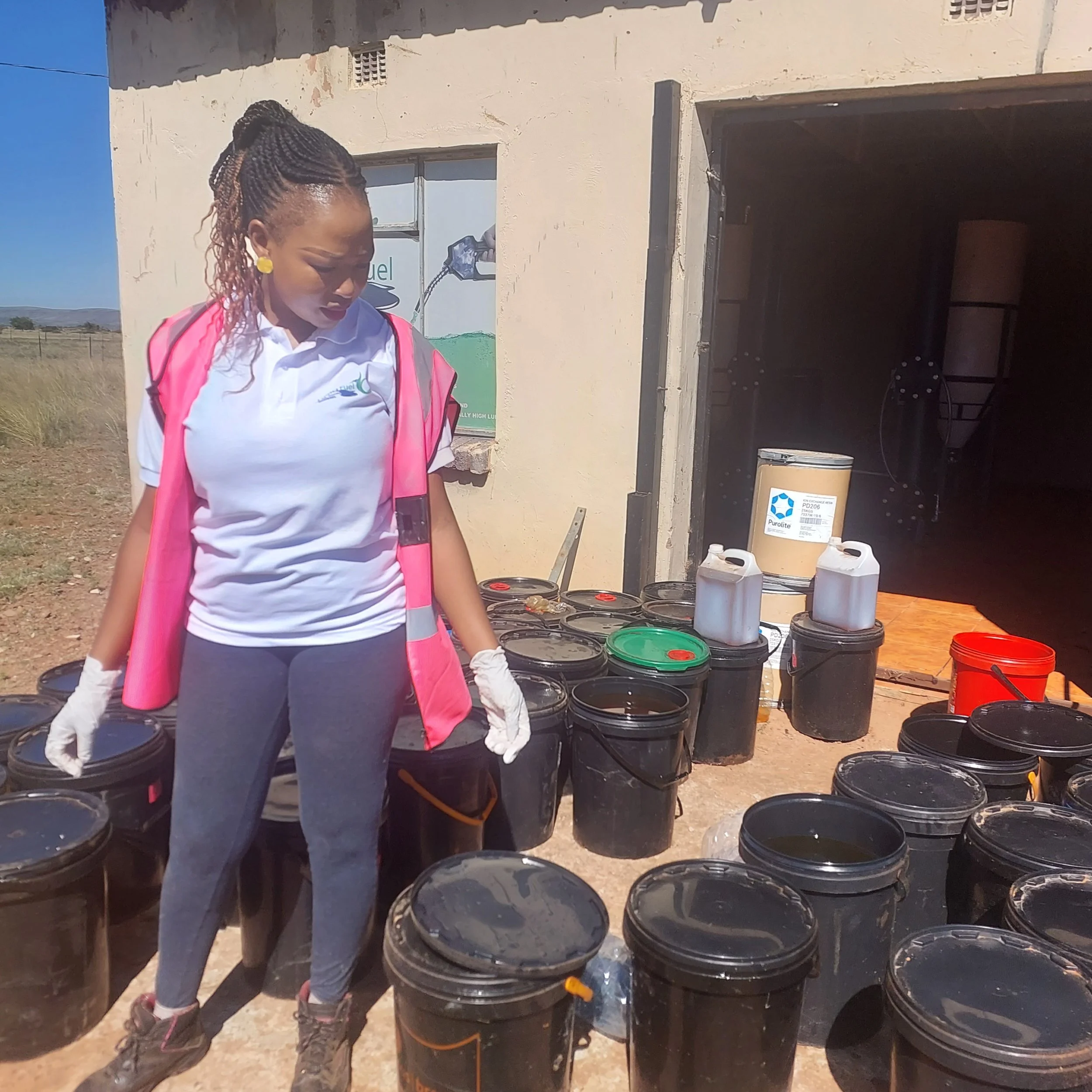
Founded in 2014, Lamo Fuel is a 100% woman-owned bio-energy company that manufactures biodiesel and other renewable energy products. The business collects used cooking oil and processes it into biodiesel, turning waste into a valuable source of energy.
Bio-energy is renewable energy produced from natural sources. Through its operations, Lamo Fuel produces biodiesel and by-products from processing, providing cleaner alternatives to conventional fossil fuels.
Tshikovhi’s journey into renewable energy began long before the company was established.
“From the time I was pursuing my studies towards a Biochemistry degree, I fell in love with the topic of renewable energy,” she said.
A later opportunity to work in the mining sector strengthened her interest in sustainable energy solutions.
“That’s when a spark was lit and I thought to myself, how can I contribute positively to my community and towards the fight against climate change?”
Driven by that vision, she launched Lamo Fuel at a time when calls for renewable energy integration into the mainstream economy were gaining momentum. However, the road to success was not easy.
“I started Lamo Fuel in 2014, at a time when the call for renewable energy integration into the mainstream economy was intensified. Despite the passion that fuelled me, I stumbled upon a few challenges. The main issue was finding a viable biodiesel plant with adequate machinery,” she explained.
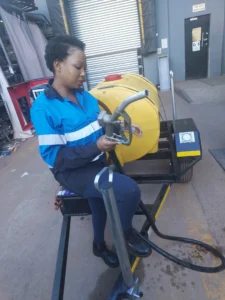
Determined to gain the necessary knowledge and industry experience, Tshikovhi enrolled in a three-year business incubation programme focused on biofuels. She also worked with several business development organisations, including SEDA, NYDA, Mme Re Ka Thusa Trust Fund, ABSA, local mines and local authorities.
Using savings from a catering business she operated, Tshikovhi eventually secured a small-scale production facility in Dikgweng village near Kuruman.
“I managed to start my production and acquire machinery,” she said.
Today, the company employs four permanent staff and seven temporary workers. The team consists mainly of semi-skilled workers responsible for manufacturing and maintenance, while Tshikovhi oversees administration and technical production.
The company’s primary customers are mining and construction businesses operating in the Northern Cape and North West provinces. These sectors rely heavily on diesel-powered equipment, making biodiesel an attractive alternative fuel source.
One of Lamo Fuel’s biggest achievements has been its rapid production growth. The company started with a daily biodiesel production capacity of 200 litres in 2020 and increased this to 1,000 litres per day by May 2023.
“Our drive behind the Green Economy and an eco-friendly product is what makes our business special,” said Tshikovhi.
Looking ahead, she hopes to expand the company’s impact beyond fuel production.
“We aspire to have a co-manufacturing business model that we can extend to other young people and women who would like to venture into biofuels, offering them off-take agreements,” she said.
She believes this approach can help increase production capacity while creating economic opportunities for others.
“This is also part of our sustainability plan to increase capacity through collaboration and in cost-effective ways, ultimately contributing to the local economy, wealth creation, gender equality and job creation.”
Tshikovhi’s entrepreneurial spirit was shaped from an early age. She recalls helping her mother and grandmother run a local shebeen and selling sweets to fellow learners while still in primary school.

Those experiences planted the seeds of entrepreneurship that would later grow into a successful renewable energy business.
Today, she sees herself as more than just a business owner.
“I see myself as a testimony of hope, and for the mere fact that I get to build a legacy, not only for my children but also for my rural community.”
For women hoping to start their own businesses, her advice is simple.
“To transform yourself and pursue your dreams, you don’t need to do big things. Just do small things in a big way. Transformation will follow you.”