











































Small and medium enterprises (SMEs) in sectors such as retail, agriculture, mining, construction, and hospitality are expected to feel the impact of stricter enforcement of laws governing the hiring of undocumented staff.
These industries often rely on low-cost labour arrangements to remain operational. Business owners now face increased pressure to verify employees and comply fully with immigration and labour regulations.
President Cyril Ramaphosa in his national address on Sunday that the government will enforce harsher penalties on employers who hire illegal migrants in their businesses.
“We are going to increase the penalties, including imprisonment, for employers who violate the Immigration Act,” said the president. “They pay them below the minimum wage and make them work longer hours without due compensation.”
He added that such practices undermine fair competition and decent employment opportunities for South Africans.
The announcement comes amid increasing public tension over undocumented migration, including protests in various parts of the country.
“The first part of our response is a concerted crackdown on violations of existing immigration, labour and other laws,” Ramaphosa said.
Heavy fines and possible criminal charges
Labour Deputy Minister Jomo Sibiya says the enactment of the Employment Services Amendment Bill will allow them to apply stricter sanctions on employers violating Employment and immigration laws.
The Bill seeks to amend the 2014 Act to better regulate the employment of foreign nationals in South Africa. It also aims to prevent worker exploitation and enhance job opportunities for citizens.
Sibiya said proposed amendments could introduce fines of up to R100,000 per undocumented worker, alongside possible criminal charges.
“When we find employers hiring undocumented foreign nationals, we want the penalties to be severe,” he said.
Expanded labour inspections
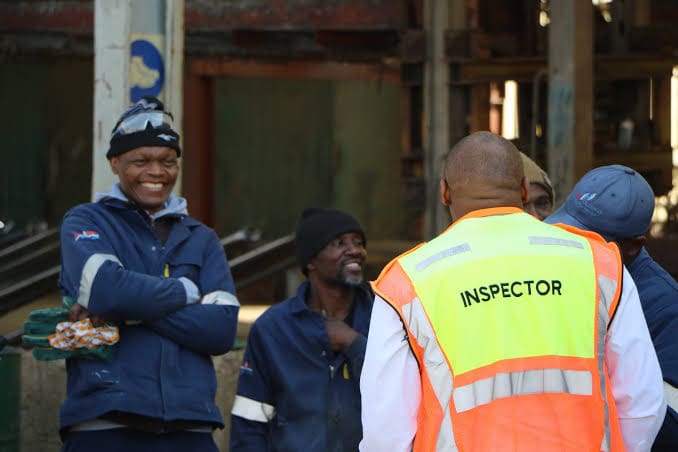
The Department of Employment and Labour is also planning a major expansion of its inspection capacity, with plans to recruit 10,000 labour inspectors across sectors.
Sibiya said inspectors would focus on identifying undocumented workers in workplaces, while deportation processes would remain the responsibility of Home Affairs and the South African Police Service (SAPS).
“Our responsibility starts and ends in the workplace,” Sibiya said.
“We identify those working illegally, then work with Home Affairs and SAPS to ensure the necessary legal processes are followed.”
He added that enforcement operations were already underway across provinces, with more planned in the coming weeks.
Business sector calls for legal compliance
Business Unity South Africa (BUSA) CEO Khulekani Mathe has urged calm amid growing tensions.
He stressed that BUSA is not taking sides in the immigration debate but is calling for lawful and orderly processes to manage the situation.
“Our main message is that [the] government should take charge of the situation and ensure that there is respect for the rule of law,” Mathe said.
“What we are saying is that whatever action is taken must be done within the framework of the law.”
Mathe also warned that rising tensions could have serious consequences for safety, livelihoods, and economic stability.