



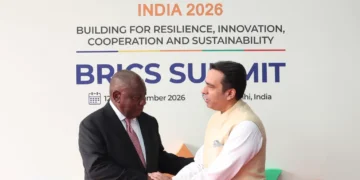







































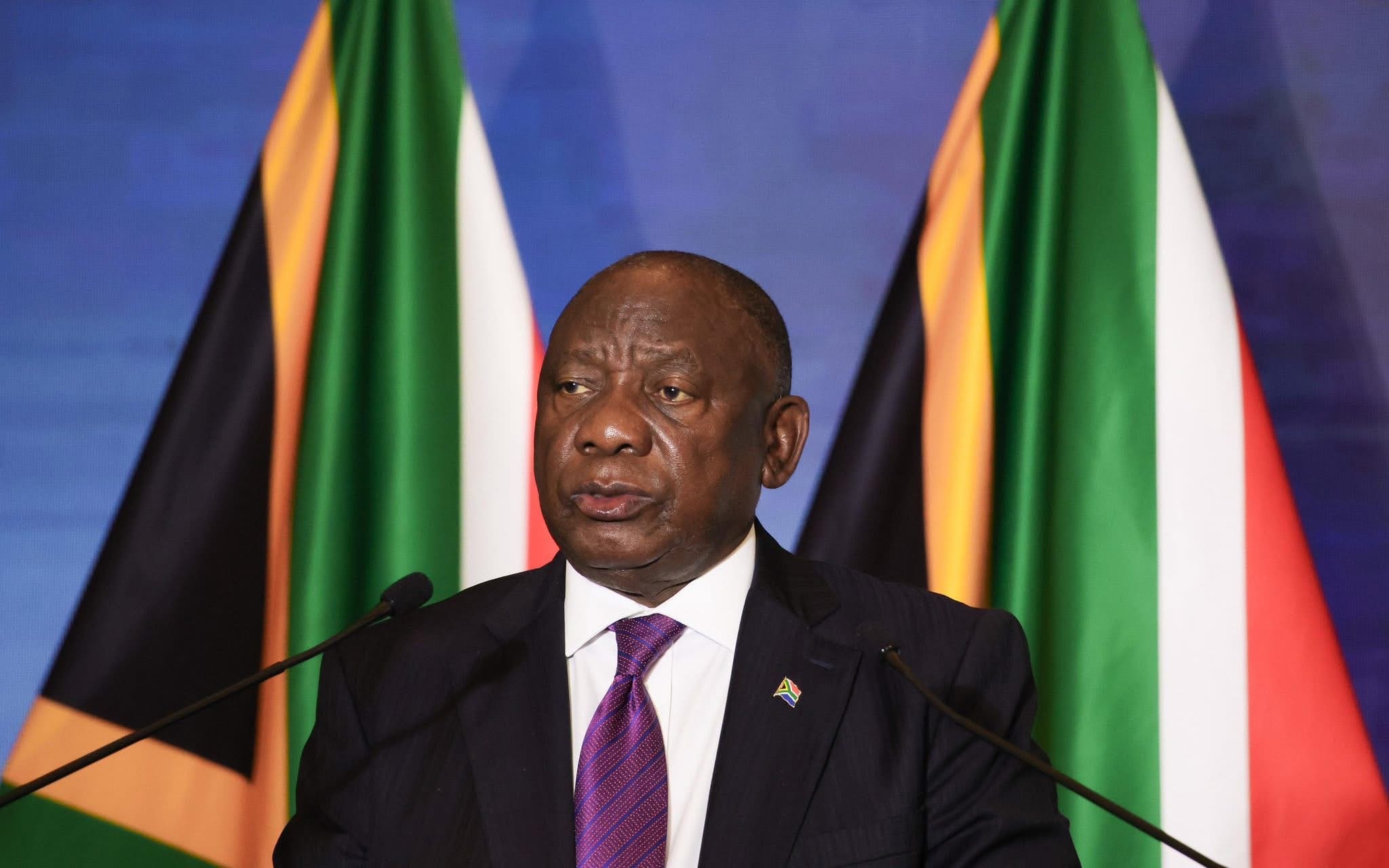
Communities across South Africa say they are tired of repeated promises about illegal immigration, jobs and spaza shop regulation, following President Cyril Ramaphosa’s latest announcement on tighter enforcement measures.
The President said the government is responding to long-standing concerns raised in communities, workplaces and social media about migration pressure, unemployment and public service strain.
“These concerns are real. They deserve to be heard. They deserve to be addressed,” Ramaphosa said.
But on the ground, many residents say the situation has been discussed for years without meaningful change.
“Every person who runs a business here must be legally permitted to run a business,” he said.
Government promises crackdown
Ramaphosa announced increased inspections of businesses suspected of employing undocumented foreign nationals, alongside the recruitment of 10,000 additional labour inspectors to strengthen enforcement.
The government will also introduce dedicated immigration courts to speed up cases involving illegal migration and workplace violations.
He said illegal employment practices are damaging fair competition and limiting opportunities for South Africans.
“Employers who knowingly hire undocumented workers and exploit their vulnerability are breaking the law. They undermine labour standards. They undermine fair competition. And they undermine opportunities for South Africans,” he said.
Spaza shops become focal point of township frustration
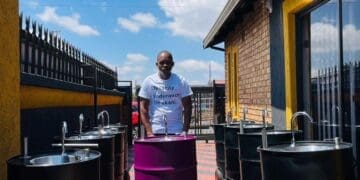
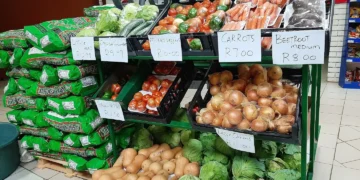
Spaza shops and informal traders remain at the centre of public debate, with many residents arguing that regulation and enforcement in township economies has not been consistent.
The government says all small businesses must be properly registered and comply with immigration and labour laws. A Spaza Shop Fund will be used to support South African-owned traders through finance and training support.
Ramaphosa said government must balance enforcement with economic support.
“Government has a responsibility to support local enterprise, promote fair competition and create conditions in which South Africans can participate meaningfully in the economy,” he said.
Community activist Lucky Motloung said frustration has been building in township areas for years.
“These people who are running these businesses are not even supposed to be running those businesses,” he said.
“According to immigration law, you must have about R5 million to run a business. But you find spaza shops everywhere. That does not make sense,” he said.
He also raised allegations of corruption in some areas, claiming that bribery and irregular practices may be affecting enforcement in places including Tsakane, Duduza and Kwa-Thema. These claims could not be independently verified.
His comments reflect growing anger in communities that feel excluded from township business opportunities.
Political reaction and growing public doubts
The announcement has also drawn criticism from opposition parties, who say the government is reacting too slowly to a long-standing crisis.
ActionSA president Herman Mashaba said the measures do not represent a real shift in policy and accused government of failing to deal decisively with illegal immigration.
Despite criticism, the government says the plan will strengthen border control, improve compliance and restore order in both formal and informal sectors.
The broader strategy includes tighter border security, biometric systems, stricter business registration processes and closer cooperation with African countries on migration management.
Ramaphosa said South Africa must enforce the law while protecting human dignity, but communities say trust in government action remains low.
For many residents, the feeling remains the same the problem has been spoken about for years, but the pressure in townships continues.