













































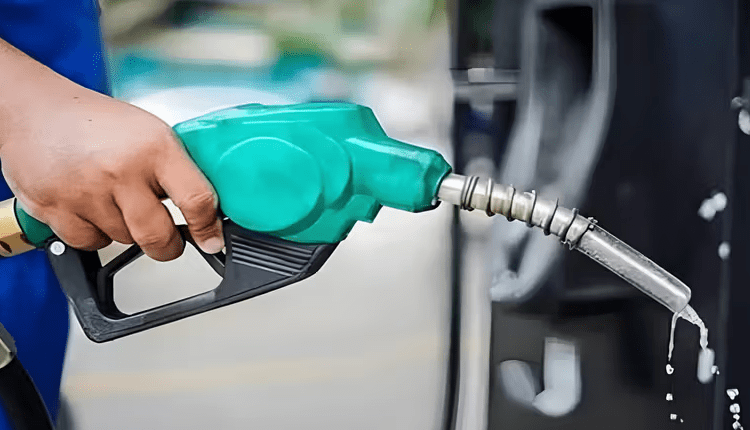
Fuel prices are set to rise sharply from tomorrow, Wednesday, 2 September, with petrol increasing by R1.34 a litre and diesel by more than R2 a litre, adding fresh pressure to businesses that rely on transport and fuel to operate.
Mineral and Petroleum Resources Minister Gwede Mantashe confirmed on Monday that both 93 and 95 petrol grades will increase by R1.34 a litre. Diesel 0.05% sulphur will rise by R2.94 a litre, while diesel 0.005% sulphur will increase by R2.13 a litre.
The latest adjustment comes after international oil prices increased during August, with geopolitical tensions and higher shipping costs adding pressure to the local fuel price.
The increase means transport operators, delivery businesses, retailers, farmers, and other fuel-dependent SMEs will have to reassess their operating costs as September begins.
Diesel users face the biggest squeeze
The sharp increase in diesel prices could have a significant impact on businesses that depend on commercial vehicles and machinery.
Small trucking companies, courier services and last-mile delivery businesses use diesel to move goods, while farmers rely on it to power tractors, harvesters, irrigation equipment, generators and trucks.
Gavin Kelly, chief executive of the Road Freight Association, said diesel is the main fuel used by most medium and heavy commercial transporters, meaning the increase will immediately add to their daily costs.
South Africa’s dependence on road freight also means the impact can spread beyond transport companies.
Frank Blackmore, lead economist at KPMG South Africa, said the country’s limited rail capacity has resulted in more goods being moved by road.
“With the non-functioning rail system, we need to move a lot more freight on the road, and that often uses diesel,” Blackmore said.
He warned that higher diesel prices could put upward pressure on transport costs and inflation.
Fuel price hike could impact customers
The increase will not only affect businesses that buy large quantities of diesel. A retailer collecting stock from a supplier, a bakery delivering orders or a small manufacturer moving raw materials can all feel the effect through higher transport costs.
When freight companies pay more to move goods, some of that increase can eventually move through the supply chain. Kelly said higher logistics costs could put pressure on the final prices consumers pay for goods.
Delivery operators, e-hailing drivers and taxi businesses also have to balance rising fuel costs with customers who may already be struggling with higher living expenses.
Mmatshikhidi Rebecca Phala, national spokesperson for the South African National Taxi Council (SANTACO), previously told Vutivi that fuel increases directly affect the income taxi operators make from each trip.
“Fuel price increases immediately mean that part of the income from every trip gets affected because they now have to spend more on fuel,” Phala said.
Taxi associations generally adjust fares once a year, meaning operators cannot always pass every fuel increase directly to passengers.
The latest increase follows a rise in the average Brent crude oil price from $82.37 to $87.88 a barrel during the review period.
The Department of Mineral and Petroleum Resources attributed the increase partly to continued tensions between the US and Iran, uncertainty around the flow of oil through the Strait of Hormuz and higher shipping costs.
Supply shortages linked to the Russia-Ukraine conflict and lower global inventories also pushed international petroleum product prices higher.
A stronger rand provided some relief, appreciating from R16.46 to R16.21 against the dollar. However, the currency improvement was not enough to offset the rise in international oil prices.
The September adjustment also includes an 83.28-cent-a-litre slate levy on petrol and diesel. A further 4.9 cents a litre will be added to petrol prices to accommodate the wage increase for forecourt employees.
The latest increase shows how quickly movements in international oil markets can affect businesses on the ground.