














































South Africa’s efforts to develop and regulate traditional medicine could open new opportunities for small businesses, particularly those involved in medicinal plants, product development and related services.
The opportunity comes as the government pushes traditional medicine beyond indigenous knowledge and into a safe, quality-assured, and accessible part of the country’s healthcare system.
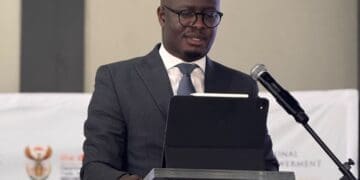
Speaking during African Traditional Medicine Day 2026, Deputy Minister of Health Dr Joe Phaahla said the country needs a clear value chain to turn promising traditional medicines into commercially available products.
“This calls for a clear value chain on how promising traditional medicines can move from the laboratory, through clinical research and appropriate regulatory processes, into safe and affordable products that can benefit our people.”
For small businesses, such a value chain could create opportunities in areas including the cultivation and supply of medicinal plants, processing, product development and packaging.
Phaahla said developing the sector would require collaboration between different players, including traditional health practitioners, universities, research councils, pharmaceutical companies, government and communities.
This could provide an entry point for SMEs, but businesses would need to navigate research, quality, safety, and regulatory requirements before their products could enter a formal market.
Turning indigenous knowledge into business
The government says it needs more investment in scientific research to unlock its potential.
“However, knowledge alone is not sufficient. We must invest in scientific research,” said Phaahla.
But traditional practitioners say the economic potential of their knowledge is not being matched by the infrastructure and market opportunities available to them.
The chairperson of the Interim Traditional Health Practitioners Council of South Africa (ITHPCSA), Fihliwe Khama, said practitioners need more support to preserve their knowledge while building businesses around traditional herbs and products.
“We are selling our knowledge and information, but we are not getting anything from it. We need proper storage facilities and a library where traditional herbs such as mhlonyane can be preserved and documented. Traditional practitioners also need access to land where they can grow their own medicinal herbs,” Khama said.
Khama said there are opportunities to develop products from traditional herbs, but a lack of proper trading infrastructure made it difficult for practitioners to grow their businesses.
“Some of us are selling traditional herbs and products such as candles, but we do not even have proper stalls or spaces where we can operate our businesses,” said Khama.
For Mpumalanga’s small businesses, this raises the possibility of a broader market for entrepreneurs involved in medicinal plants and traditional medicine products.
The potential opportunities extend beyond traditional consultations to businesses that could participate in the supply, processing and development of products.
However, commercialising traditional medicine also raises questions about who benefits from indigenous knowledge and whether communities and traditional practitioners will receive a meaningful share of the economic benefits.
Phaahla said research must protect indigenous knowledge, intellectual property and the rights of traditional knowledge holders.
“Communities and traditional practitioners are not merely sources of knowledge but are meaningful partners and beneficiaries of research and innovation.”
This could be particularly important for small businesses and practitioners who may not have the financial or technical capacity to take traditional remedies through research and regulatory processes on their own.
Regulation could shape the market
The development of a formal traditional medicine industry will also depend on the country’s regulatory framework.
South Africa’s Traditional Health Practitioners Act 22 of 2007 provides for the regulation, registration and training of traditional health practitioners. However, the government has acknowledged delays in implementing the framework.
Phaahla said the implementation of the regulatory framework “has taken far too long”, with concerns raised about the lack of a fully functional national register and enforcement challenges.
The government is processing a Traditional Health Practitioners Amendment Bill to address limitations in the current interim arrangements and create a more sustainable regulatory structure.
A national policy framework for traditional medicine and traditional health practice is also being developed to provide direction on how the sector should be supported, researched, developed and regulated.
Phaahla said that regulation should protect both patients and legitimate practitioners.
“Regulation is intended to protect the public, protect legitimate practitioners and strengthen the credibility and sustainability of the profession.”