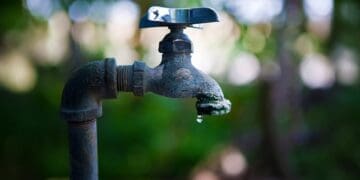


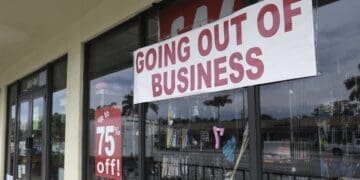



































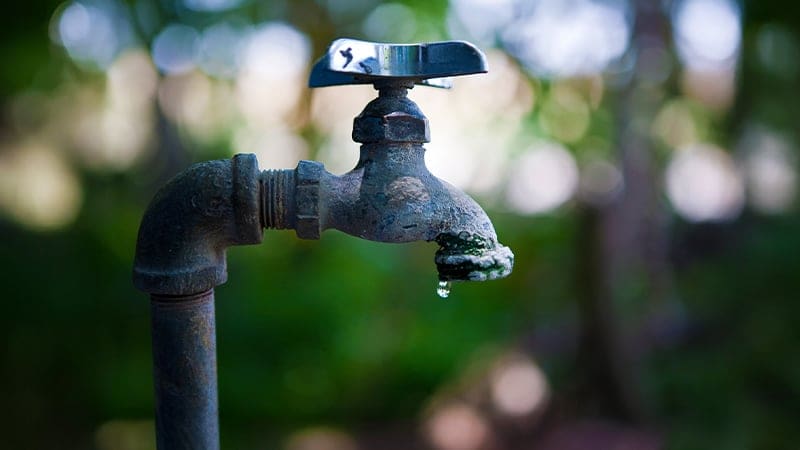
Recurring water outages continue to bleed Johannesburg businesses dry in the run-up to the 2026 local government elections.
As political parties campaign in earnest, promising better service delivery, businesses want to know when a reliable water supply will be restored.
The shortages have affected areas including Founders View, Greenstone, Modderfontein, Lombardy East, Kew and Limbro Park. Businesses are being forced to find alternative water supplies while continuing to pay rent, wages and other operating expenses.
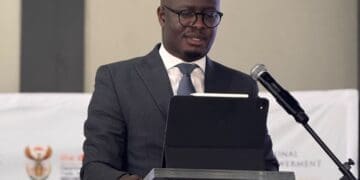
Gauteng MPL Nico De Jager said the consequences extend beyond the inconvenience of dry taps.
“For businesses, a dry tap is not only an inconvenience. It costs money. Production stops, and staff cannot work. Businesses must buy and transport water to continue operations,” De Jager said.
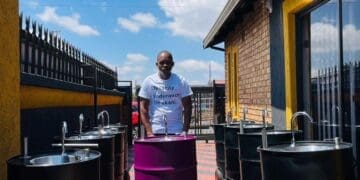
Luyanda Semoyi, who operates a car wash near the Midrand taxi rank, said he normally earns between R300 and R400. But having to buy water to keep working is eating into his daily income.
The recurring interruptions have left Semoyi uncertain about the future of his business. Even when water is restored, he is uncertain when it will be interrupted again, making it difficult to plan his work and expenses.
“I don’t know what is causing it or how long we will have water. I still need to buy water so that I can wash cars and make money,” Semoyi said.
With elections approaching, he is also frustrated by promises from political parties.
“Sometimes I ask myself what the point of voting is when we keep hearing promises, but the problems are still there. I need water to run my business, not promises,” he said.
His experience highlights the pressure on small businesses that depend on reliable municipal services to earn an income and retain customers.
Questions over private-sector involvement
Ravin Singh, co-convenor of the Water Crisis Committee in Johannesburg, questioned whether the city is getting value for money by pursuing new water sources while existing infrastructure remains poorly maintained.
“So is there value for money chasing after new supply, or new sources of supply, when we are not taking good care of existing supply?” Singh asked.
He also called for accountability when decisions are made to address the crisis.
“Something has to be done, but we need to know whether we are making the right decision,” he said.
Lobby group AfriForum has called for greater involvement by private and community-based organisations, arguing that Johannesburg’s water crisis exposes weaknesses in the current municipal service delivery model.
“The biggest obstacle is not necessarily the law, but the willingness to implement alternatives. The Municipal Systems Act already provides for private and community-based organisations to deliver municipal services or assist municipalities in delivering these services. There are procurement consultations and regulatory requirements, but these should be used to enable solutions, not unnecessarily delay them,” said AfriForum manager of environmental affairs Lambert de Klerk.