














































South Africa and Mozambique are looking to deepen trade and investment ties through cross-border industrial development, local manufacturing and value addition, as the two neighbouring countries seek to create jobs and strengthen regional economic integration.
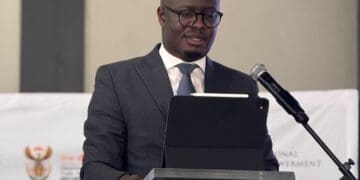
International Relations and Cooperation Minister Ronald Lamola said the countries should move beyond exporting raw materials and instead expand industrial capacity to ensure their mineral and agricultural resources generate greater economic benefits for their people.
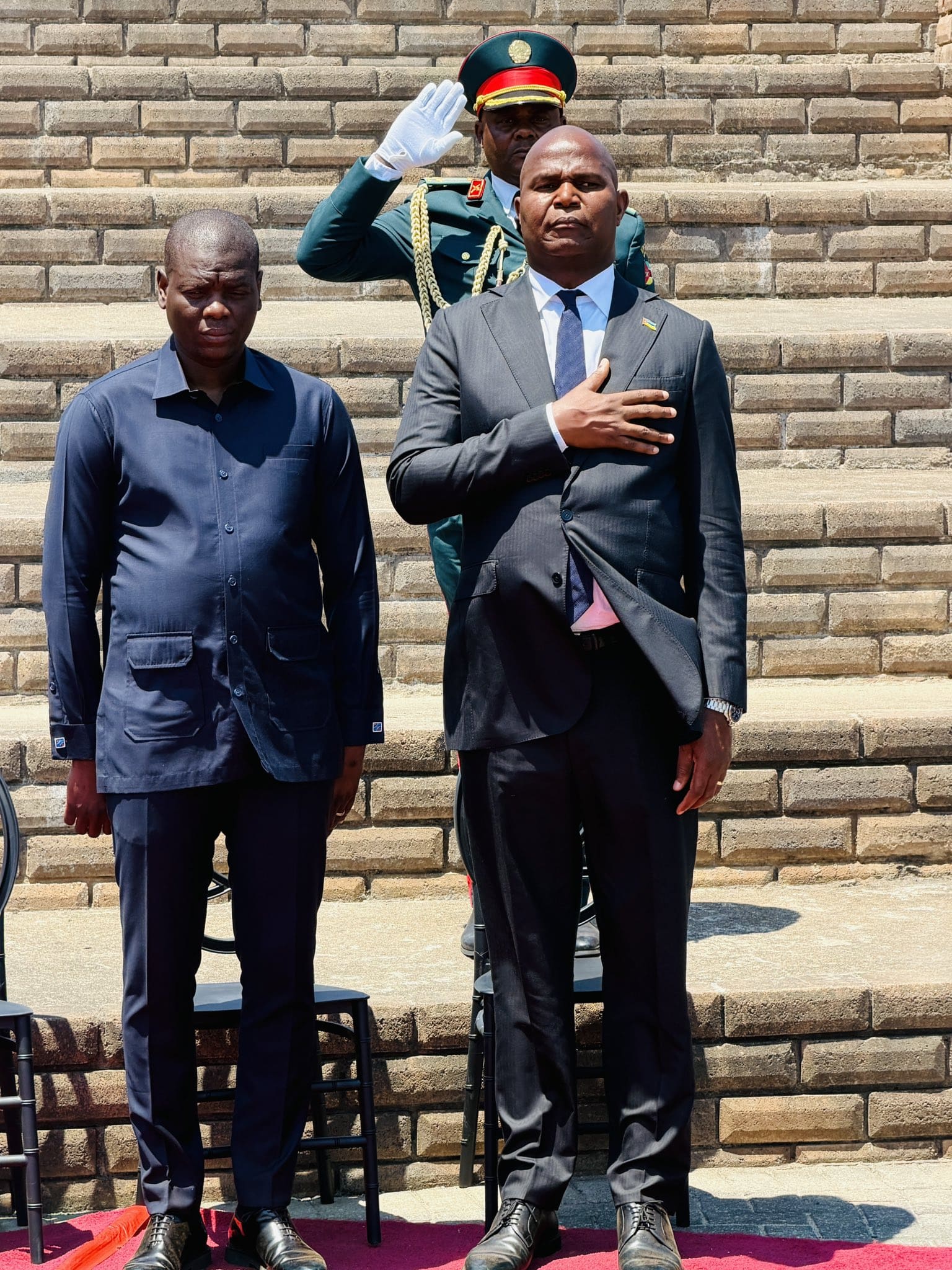
Addressing the 40th anniversary commemoration of the Mbuzini tragedy in Mpumalanga on Monday, Lamola identified the proposed development of cross-border special economic zones as a potential driver of industrialisation and employment creation.
The commemoration was attended by Mozambican President Daniel Chapo and other officials from both countries.
“The Nkomazi Special Economic Zone, when operational stands as good platform for us to build cross border special economic zones (SEZs) that can be a catalyst for value addition in both countries and create jobs for both our nationals,” Lamola said.
The proposal forms part of a broader push to strengthen economic cooperation between South Africa and Mozambique, whose economies are already closely linked through trade, investment and transport infrastructure.
Lamola said more than 2,500 commercial trucks travel along the Maputo Corridor daily, transporting coal, minerals, agricultural products, petroleum gas and other goods between the two countries and to international markets.
He described Mozambique as South Africa’s largest trading partner on the African continent and its sixth-largest export market globally.
South African businesses have also established a significant presence in Mozambique, with about 300 companies operating in the country and supporting more than 40,000 jobs, according to the minister.
“These figures not only show that our economies are inseparable but also demonstrate what is possible when regional integration is a reality,” Lamola said.
He said the two countries should build on these existing commercial links by investing in modern transport networks, energy systems, water infrastructure and digital connectivity.
The Maputo Corridor, which facilitates the movement of goods between South Africa and Mozambique and connects businesses to wider regional and international markets, was cited as an example of the potential benefits of joint infrastructure development.
Lamola also called for faster implementation of the Southern African Development Community (SADC) integration agenda and the African Continental Free Trade Area (AfCFTA), arguing that regional cooperation could help expand markets and stimulate industrial development.
He pointed to the potential gains from continental trade integration, saying implementation of the AfCFTA could generate up to $450 billion in additional value for Africa’s economy.
Lamola said African countries needed to move away from exporting unprocessed commodities towards manufacturing, beneficiation and value addition.
“Africa’s resources – our platinum, manganese, cobalt and copper – must drive industrial development and create jobs for Africans,” he said.
Food security and agricultural development were also identified as priorities for bilateral cooperation, alongside investment in education, skills development, science and technology.
Lamola said closer coordination would be necessary to protect communities and economic activity from floods, droughts and cyclones, with regional disaster-response mechanisms providing a platform for cooperation.
The minister linked these economic ambitions to the broader objective of completing Africa’s liberation through economic opportunity and inclusive development.
“We must build local economies that create jobs, expand opportunity and restore dignity,” he said.
Lamola said strengthening trade, investment and industrial cooperation would be a practical way for the two nations to honour the legacy of former Mozambican president Samora Machel, who died in the 1986 plane crash at Mbuzini.
The proposed industrial zones and deeper regional integration could create opportunities to expand production, strengthen supply chains and develop markets beyond national boundaries.