





































South African businesses could receive temporary relief from rising operating costs following Finance Minister Enoch Godongwana’s announcement of a R10 billion fuel levy reduction during his Medium-Term Budget Policy Statement (MTBPS) in Parliament this week.
Godongwana announced that the general fuel levy would be reduced by R3 per litre for diesel and R1.50 per litre for petrol from November 4 to December 1, 2026. The relief will continue at lower rates until January 5, 2027, with the diesel levy reduced by R1.50 per litre and the petrol levy by R1 per litre.
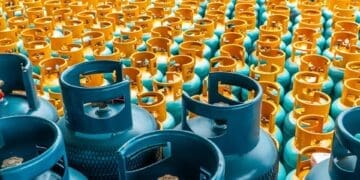
The intervention comes as rising international oil prices place pressure on transport, logistics and production costs, affecting businesses across the economy.
For companies that rely on road transport to distribute goods, source raw materials or deliver services, the reduction could provide some financial relief.
The extent of the benefit will depend on how much of the savings translates into lower transport and distribution costs.
Small businesses stand to benefit
Micro, small and medium enterprises (MSMEs) could benefit significantly, particularly those operating in townships and rural communities, where transport expenses and limited access to markets often constrain growth.
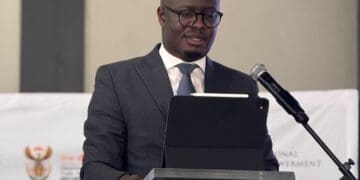
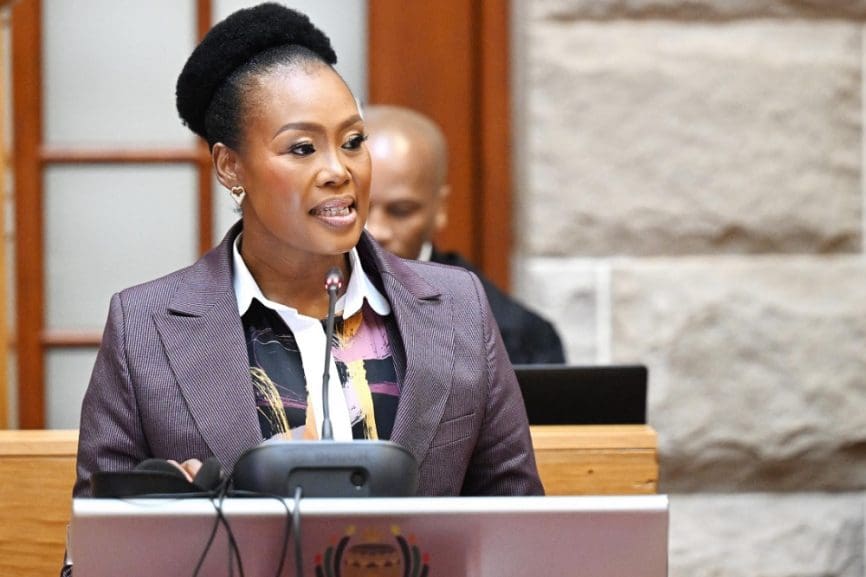
Minister of Small Business Development Stella Ndabeni said the intervention could improve cash flow and enable enterprises to redirect savings towards expansion and employment.
“The Department of Small Business Development recognises that a reduction in the fuel levy can provide meaningful relief to micro, small and medium enterprises (MSMEs), particularly those operating in townships and rural areas, where high transport, logistics and distribution costs continue to place pressure on business operations,” Ndabeni said.
She added that lower fuel costs could support productivity, business expansion and job creation.
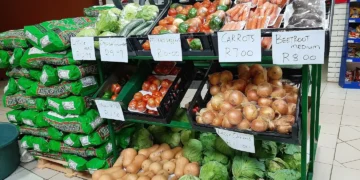
For small retailers, agricultural producers and manufacturers, reduced transport expenses could free up money for stock, equipment and wages. However, businesses will not necessarily benefit equally, as fuel prices are also influenced by international oil prices and exchange-rate movements.
Relief alone will not unlock investment
Ndabeni cautioned that the intervention would not be enough to stimulate sustained investment and employment.
“While this intervention is welcomed, fuel levy relief alone will not be sufficient to unlock sustained investment and job creation,” she said.
She identified limited access to affordable finance, unreliable infrastructure, regulatory barriers and restricted market opportunities as challenges confronting MSMEs.
The department, together with the Small Enterprise Development and Finance Agency (SEDFA), supports enterprises through programmes such as the Township and Rural Entrepreneurship Programme, Women’s Fund, Youth Fund, Asset Assist Programme and Spaza Shop Support Fund.
These interventions aim to improve access to funding, equipment, training and business development support, helping enterprises increase their productive capacity.
Market access and red tape remain critical
Reducing administrative barriers and improving access to markets will also be important in translating temporary relief into sustainable growth.
Ndabeni said the department was working to address obstacles involving business licences, permits and municipal regulatory processes, while strengthening procurement opportunities through public- and private-sector partnerships.
For small businesses, access to larger supply chains could provide more predictable demand, support expansion and create opportunities to employ additional workers.
She also highlighted the need for reliable energy, digital connectivity and appropriate infrastructure to strengthen township and rural economies.
A temporary boost for the wider economy
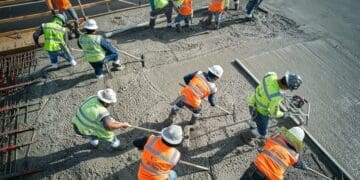
Agriculture, manufacturing, retail, construction and tourism sectors could benefit from lower fuel-related expenses, although the impact will vary according to each sector’s transport needs.
Consumers could also benefit if lower distribution costs translate into cheaper goods and services.
The temporary nature of the relief means businesses must prepare for the return of normal levy rates and continued uncertainty in energy markets.
The intervention ultimately offers short-term assistance, but its long-term value will depend on whether businesses can turn reduced costs into productive investment and sustainable employment.
As Ndabeni emphasised, MSMEs must be positioned as central drivers of inclusive economic growth, economic transformation and job creation in South Africa.