




































Entrepreneurs are developing products to solve everyday problems, but turning those ideas into sustainable businesses requires access to finance, customers and partnerships.
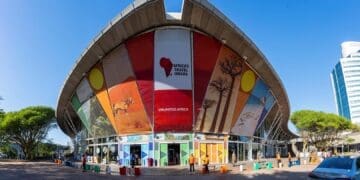
This was among the issues raised at the 2026 African Summit on Entrepreneurship and Innovation (ASENTI), held at the CSIR International Convention Centre in Pretoria from Monday to Wednesday.
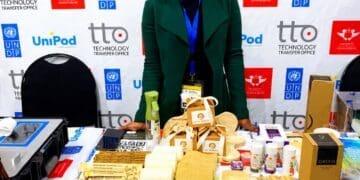
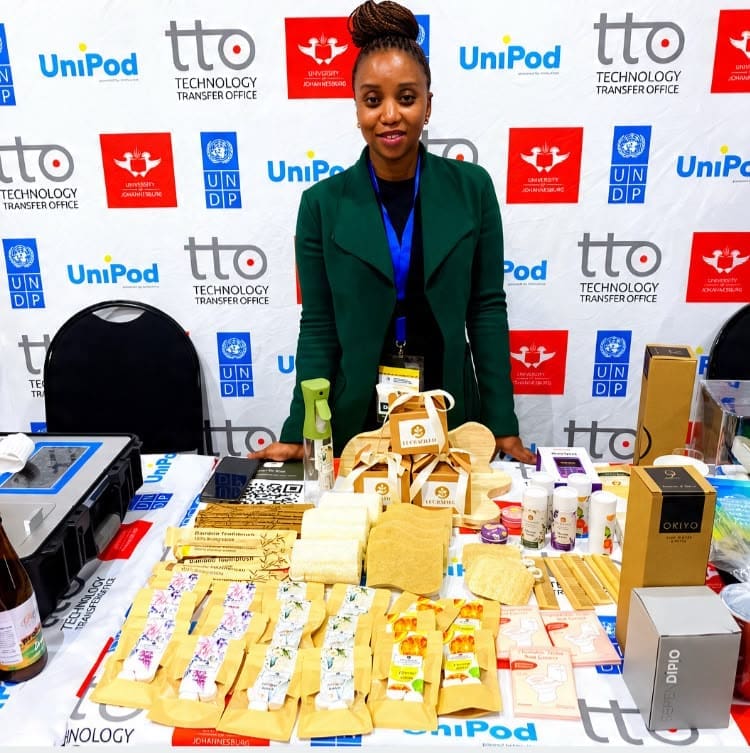
At the summit’s exhibition, Ayanda Hlengwa, founder and CEO of Lucrafield, demonstrated how her company uses indigenous plants to manufacture cleaning products that are not harsh on the skin.
The company’s range includes cleaning tablets, body wash and soap. Hlengwa demonstrated a 400mg cleaning tablet, explaining that it dissolves in water before use.
She said the business was looking for partnerships and additional funding to expand its operations and product range.
“We’re also looking for partnerships. And then additional funding,” she said.
Lucrafield promotes its products on Instagram, and Hlengwa said they were also available in a retail store.
Another entrepreneur showcasing a product was Oratile Maseka a student at the University of Johannesburg and a founder of the TrackCard.
The product is a frosted card holder with a unique QR code designed to help people recover lost identification documents, bank cards, student cards and access cards.
Maseka explained that someone who finds a card can scan the QR code to access instructions on how to contact its owner.
“If ever you were to lose your ID, bank card, student card, or even your access card, you just need to scan the QR code,” he said.
He also described an emergency option that provides instructions to someone who finds the card. The product is priced at R49.99.
Maseka said the business had not yet secured partnerships and was looking at opportunities to develop the product and reach customers.
Rethinking how small businesses access finance
The difficulties facing emerging businesses were also examined during a panel titled Investing in Africa’s Next Growth Story: Catalysing Startup Growth and Investment and Access to Finance in Africa.
Dr Thabang Chiloane, head of financial inclusion and public policy at the Banking Association South Africa, highlighted the need to make finance more accessible to businesses that do not have traditional assets such as property to use as collateral.
Panellists discussed considering other business assets and information when assessing loan applications. They also raised the possibility of using awarded procurement contracts to help businesses secure working capital.
A business that has won a contract may still need money to purchase materials and pay workers before receiving payment from its client.
Dr Sindiswa Mzamo, global president of the Circle of Global Business Women, highlighted blended finance and guarantees as ways of reducing lending risks for women-owned businesses. She also emphasised the importance of mentorship, business networks and procurement opportunities.
However, access to finance also depends on how prepared a business is.
The discussion stressed that entrepreneurs should maintain proper financial records, separate personal and business accounts, understand their operating costs and establish whether customers are willing to pay for their products.
One example raised was a solar-powered car wash. Before approaching funders, an entrepreneur would need to test demand, understand what customers could afford and calculate the costs of running the business.
These recommendations point to practical steps businesses can take while financial institutions consider more flexible ways of assessing them.