














































Rural and township tourism businesses could gain access to more customers through digital platforms designed to improve bookings, online visibility and payment services.
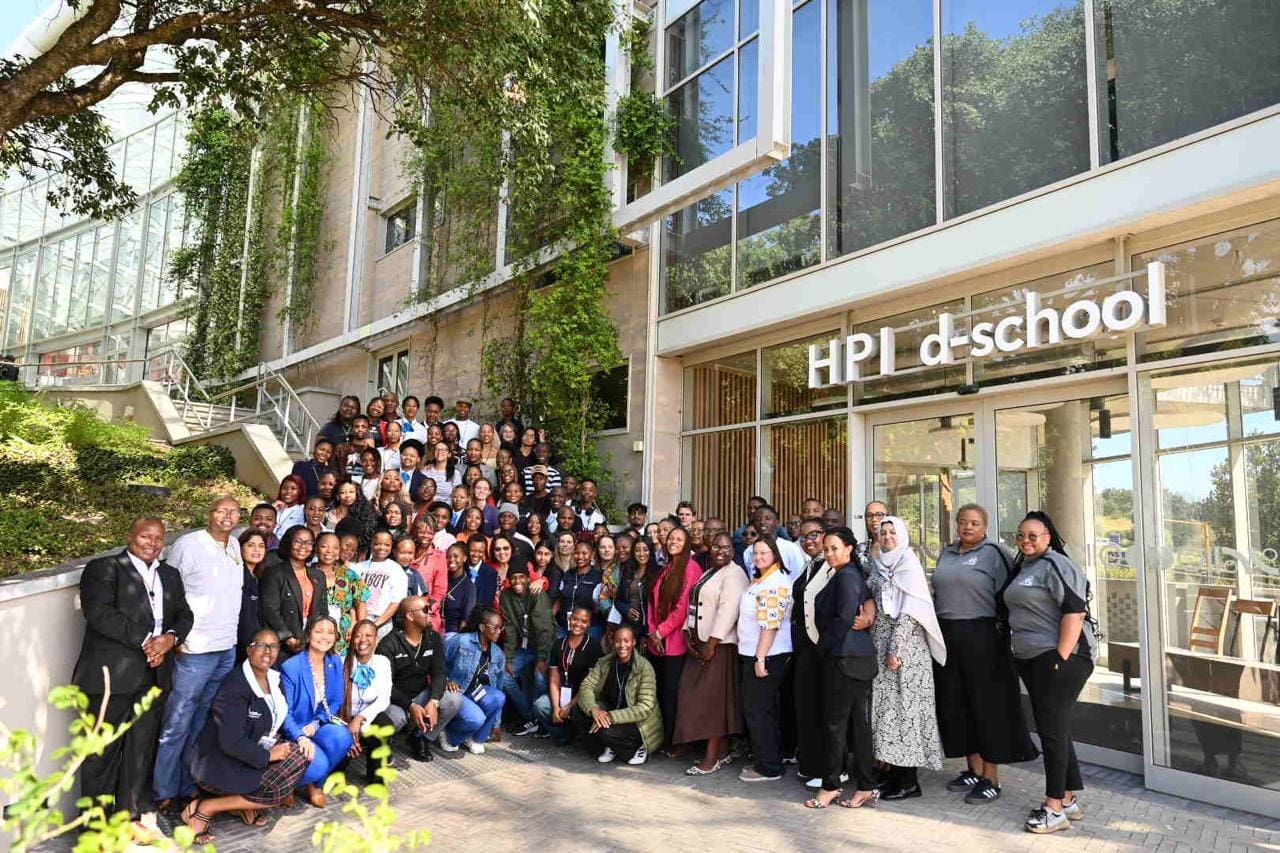
The Department of Tourism’s 2026/27 Tourism Hackathon Challenge is bringing together 50 university students to develop digital solutions that address barriers facing small tourism operators.
Launched by Tourism Minister Patricia de Lille at the University of Cape Town (UCT), the initiative focuses on community-based tourism and rural inclusion.
The students will develop prototypes, including online booking platforms for local guides and homestays, virtual tours of lesser-known destinations and digital payment solutions.
De Lille said digital access was becoming increasingly important for tourism businesses looking to compete for customers.
“Our responsibility is to ensure that rural and township businesses can participate in that economy and share in the growth it makes possible,” she said.
She also challenged students to engage directly with tourism operators to understand their business challenges before developing solutions.
“Ask a guide how customers currently find them. Ask a homestay owner what happens when a booking comes in while they are working,” said de Lille.
She said students should also investigate the payment methods customers use, and the costs businesses would face when maintaining digital platforms.
Likhaya Mahlaka, one of the attendees, said limited online exposure could make it difficult for smaller operators to compete with established tourism businesses.
“Many small tourism businesses offer unique experiences, but reaching customers outside our communities is not always easy. Digital platforms could help us showcase what we offer and attract more bookings.”
UCT Vice-Chancellor Professor Mosa Moshabela said the partnership with the Department of Tourism would provide a platform for collaboration and skills development.
“Ultimately, the success of this initiative will not only be measured by the ideas presented during the competition, but also by our ability to nurture promising innovations and create pathways for their further development and potential implementation,” Moshabela said.
The previous hackathon in 2025 brought together 48 students from 21 higher education institutions.
The winning team, The Catalysts, developed Hologram Hub, a platform allowing rural communities to showcase their culture, heritage and local experiences. The team received R175 000.
Second-placed Map My Biz received R140 000 for developing an entrepreneurship learning platform and digital map connecting local businesses with tourists.
Third-placed Ubuntu Unlimited received R105 000 for its digital tourism platform using virtual reality, artificial intelligence and blockchain technology.
A tourism entrepreneur, Sizakele Nkosi, said affordable technology could help small operators improve how they market and sell their services.
“Small businesses need solutions that are affordable and easy to use. It is not enough to have a digital platform if entrepreneurs cannot afford to maintain it or do not have the skills to use it,” she said.
The Department and UCT will explore opportunities to support the three top finalists through innovation and entrepreneurship development programmes.
The final pitching and awards event is planned for the first quarter of 2027.