














































The City of Joburg plans to approve a Township Economy By-law in 2026, building on its 2022 Informal Trading Policy.
The City has also identified Kwa Mai Mai, Faraday and Yeoville for the development of the High-Rise Markets of the Future project over the next five years.
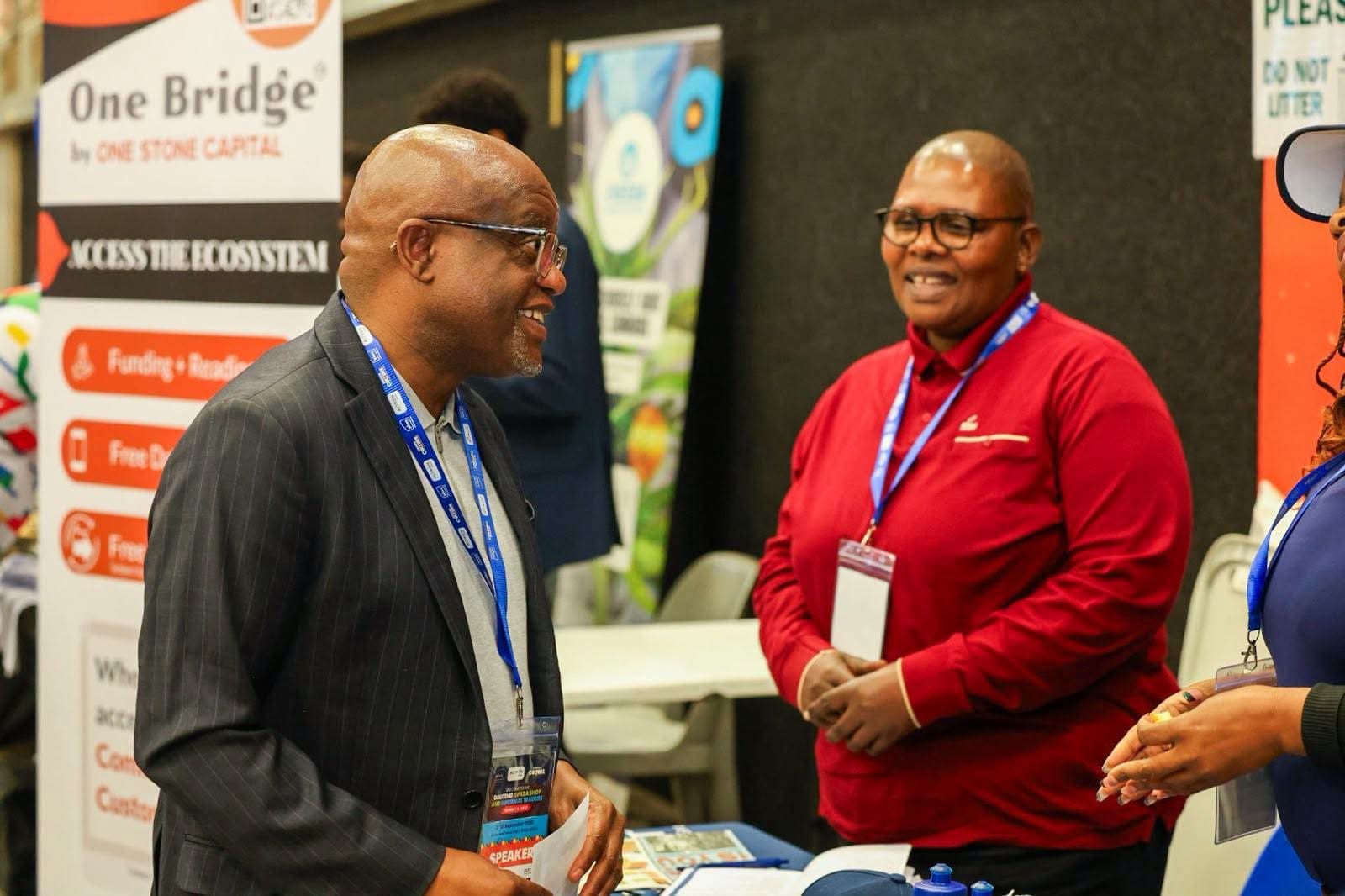
The Gauteng Spaza Shop and Informal Traders Summit & Expo, held at the University of Johannesburg’s Soweto Campus on 17 and 18 September, heard that township spaza shops and informal traders are facing mounting pressure to formalise their businesses and navigate a changing trading environment, as the City of Johannesburg expands efforts to support the sector.
The summit brought together traders, government officials and financial institutions to discuss the challenges facing township businesses.
The summit comes as the City works to improve access to funding, formalise businesses and address barriers affecting small traders. The City has processed 4,043 spaza shop registration applications across its seven regions.
More than 500 smart permit cards have also been issued from over 2,000 cards printed as part of the formalisation process.
Registration, however, does not automatically mean that a business has received a trading permit.
Businesses must still meet the relevant requirements before permits can be issued, with registration serving as the first step in the formalisation and compliance process.
The Gauteng Spaza Shop Fund, which is being implemented in partnership with the Small Enterprise Development Finance Agency (SEDFA), has approved 39 beneficiaries so far. The initiative is aimed at helping township businesses access financial support and strengthen their operations.
City of Joburg Executive Mayor Dada Morero said township economic development needs to go beyond permits and funding.
Access to land, infrastructure and economic opportunities are among the wider issues affecting businesses in townships.
Compliance remains another issue for traders as the City works to bring more businesses into the formal economy.
Matopane Masha, executive director in the City’s Department of Economic Development, said compliance should not prevent township businesses from growing.
“We really don’t want compliance to be a stumbling block for the growth of businesses in our townships,” Masha said.
The South African Reserve Bank also provided traders with information on banknote authentication, including how to identify counterfeit and dye-stained cash.
For township traders, the push towards formalisation brings access to funding and support, but also greater emphasis on compliance with trading requirements.
The challenge now is whether these measures will translate into sustainable opportunities for the businesses that form part of Johannesburg’s township economy.