















































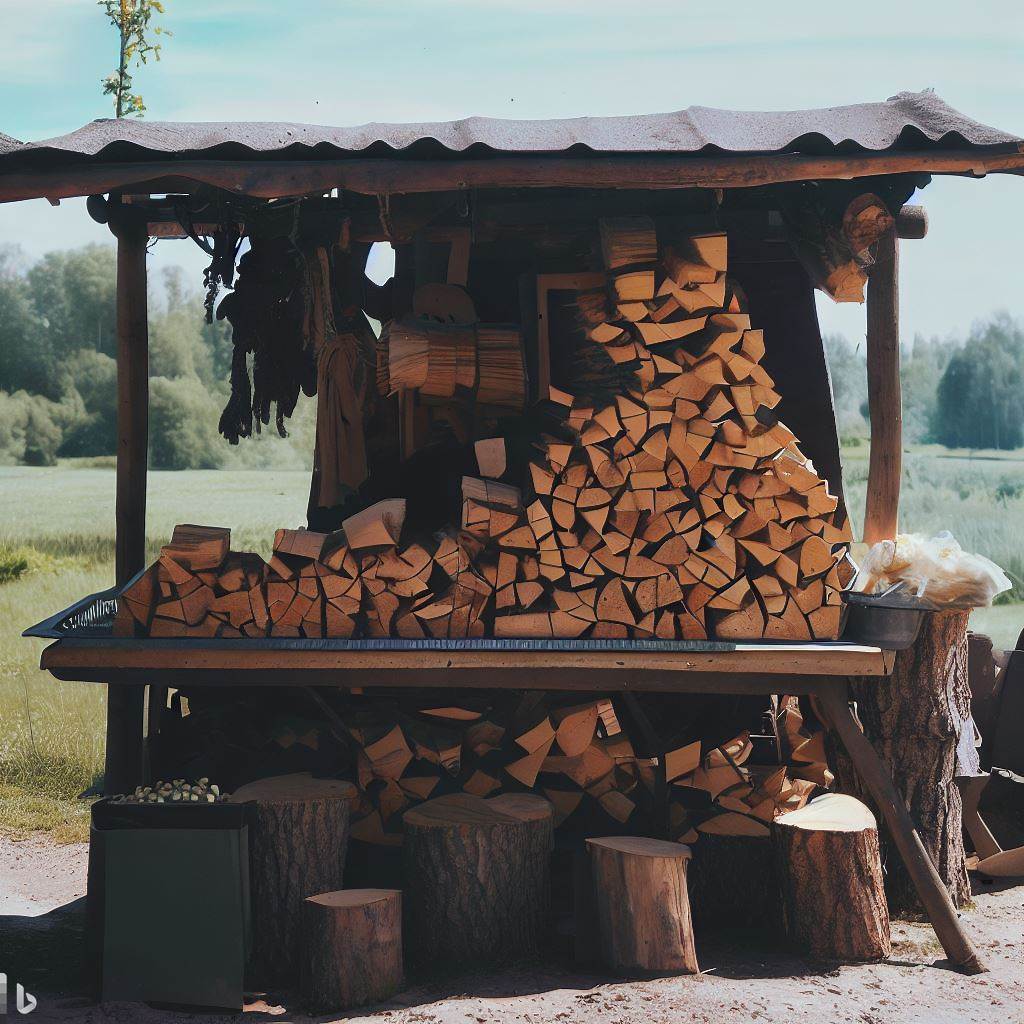
As icy mornings and freezing nights settle across South Africa, a different kind of economy is beginning to heat up.
Across rural towns and villages, stacks of firewood are disappearing almost as quickly as they are being delivered. From roadside traders to transport operators and small-scale suppliers, winter has triggered a seasonal business boom that many entrepreneurs rely on to survive.
While discussions about energy often focus on electricity, solar power and load shedding, firewood continues to play a crucial role in keeping homes warm and meals cooking. For thousands of households, it remains one of the most affordable energy sources available. For small businesses, it has become winter’s hidden gold rush.
Firewood traders enjoy their busiest season
In Nkomazi, firewood supplier Mandla Mabuza says winter can make or break a year’s earnings. “The demand is completely different during winter. Some customers buy enough wood for a week, while others stock up for the entire month. This is the season we work for.”
Mabuza loads and delivers firewood to households, informal food vendors and small businesses that rely on wood-burning stoves.
He says sales often double during the colder months, creating opportunities not only for suppliers but also for drivers and casual workers who assist with loading and deliveries. “When winter arrives, everybody in the value chain benefits,” he said.
A business opportunity hiding in plain sight
While often overlooked, the firewood trade forms part of a broader informal economy that supports livelihoods in many rural communities.
According to Lerato Mokoena, owner of Jojo woods and Gasfiller in Mamelodi, the sector demonstrates how entrepreneurs can identify opportunities from seasonal demand.
“Many people see firewood as a basic product, but behind every bundle sold is a supply chain involving harvesting, transport, storage and retail. It creates income for multiple people.”
The seasonal demand also benefits local transport businesses, hardware stores and informal traders who sell heating-related products. For some households, firewood sales have become a reliable source of winter income at a time when job opportunities remain limited.
Growth comes with challenges
Despite strong demand, suppliers say rising fuel costs are eating into profits. Transporting wood from rural collection points to communities has become increasingly expensive, forcing some traders to increase prices.
Environmental experts also warn that growing demand could place pressure on natural resources if harvesting is not managed responsibly. They argue that sustainable harvesting practices and replanting initiatives will be essential if the sector is to continue supporting rural economies in the future.
The firewood economy offers an important lesson for small enterprises: seasonal demand can create profitable niche markets.
By understanding consumer needs and preparing stock ahead of peak periods, entrepreneurs can turn seasonal trends into sustainable income opportunities.
As winter tightens its grip across South Africa, firewood traders are proving that even one of the country’s oldest commodities can still power modern-day entrepreneurship.