
















































A single fire, electrical fault, cooking accident or structural collapse can erase years of income in minutes. For landlords, the challenge is not only maintaining rental properties but also protecting them against everyday risks that can become financially devastating.
In South Africa’s rental housing market, this exposure extends from township landlords to formal property owners and student accommodation operators who remain underinsured or uninsured.
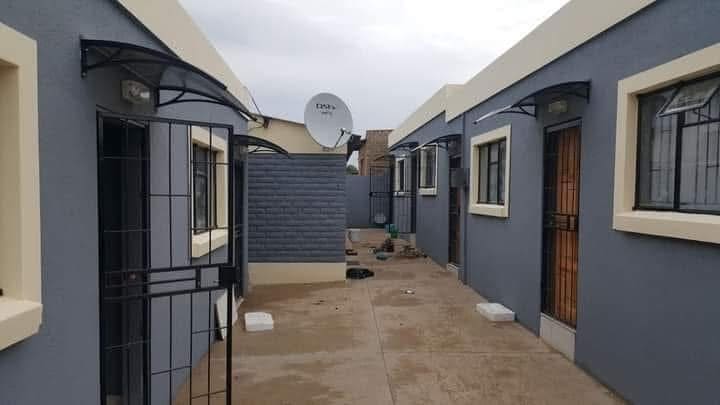
In townships across Gauteng, backyard rental accommodation has become a quiet but essential part of the housing economy. Families convert yards into rows of rental rooms, ranging from corrugated iron structures to more permanent brick extensions.
Urban researchers Ivan Turok and Andreas Scheba describe this sector as a “dynamic but neglected” part of the housing system, expanding and increasingly commercialised, yet still largely operating outside formal financial structures.
While it has created vital income streams for small-scale landlords, it has also exposed a key weakness. Most of these properties lack comprehensive insurance against fire, storms or structural damage.
Across township rentals, buy-to-let properties and student accommodation, landlords often operate with minimal insurance protection. In many cases, reliance is placed on tenant deposits, typically equal to one month’s rent, as a buffer against damages or unpaid rent.
However, these deposits are not designed to cover major losses such as fire damage or full reconstruction costs, leaving landlords financially vulnerable when disasters occur.
Even in formal student housing, cost pressures often result in limited coverage focused only on the building, despite higher occupancy levels and increased risk exposure.
When disaster strikes
In Mamelodi, east of Pretoria, Tsepang Mashile rents out several backyard rooms to workers and students. The property supports his household through steady monthly income, but it is not insured.
“When I started, it was just one room,” he said. “Now it is many, but I never thought about insurance. You fix things as they break.”
A minor electrical fault recently damaged one of the units, forcing temporary evictions and a drop in rental income. Repairs were covered informally through savings and tenant contributions.
In Pretoria West, Reabetswe Ngwenya runs a more structured backyard rental business with upgraded brick rooms and multiple units. Despite the scale of the operation, it also remains uninsured.
“The idea of insurance is there,” Ngwenya said. “I have been thinking about it, but it feels expensive, and people here don’t trust that claims will be paid quickly.”
When heavy storms damaged roofing at the property, repairs were funded through informal loans and rental increases.
Why many small landlords remain uninsured
For many small-scale landlords, rental income is a key household lifeline, and insurance is often viewed as an avoidable expense competing with maintenance costs, bond repayments or expansion plans.
PSG Insure’s Head of Distribution, Karen Rimmer, says responsibility is often misunderstood between landlords and tenants.
“Tenants are responsible for their own belongings, while landlords must ensure the building itself is properly insured,” she said.