


































A proposed R100 billion renewable energy investment in the Free State may create new opportunities for local businesses. However, it is uncertain whether small enterprises in QwaQwa will be included in the projects’ supply chains.
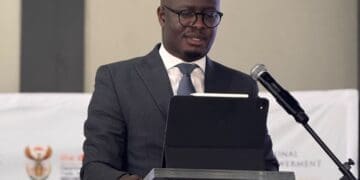
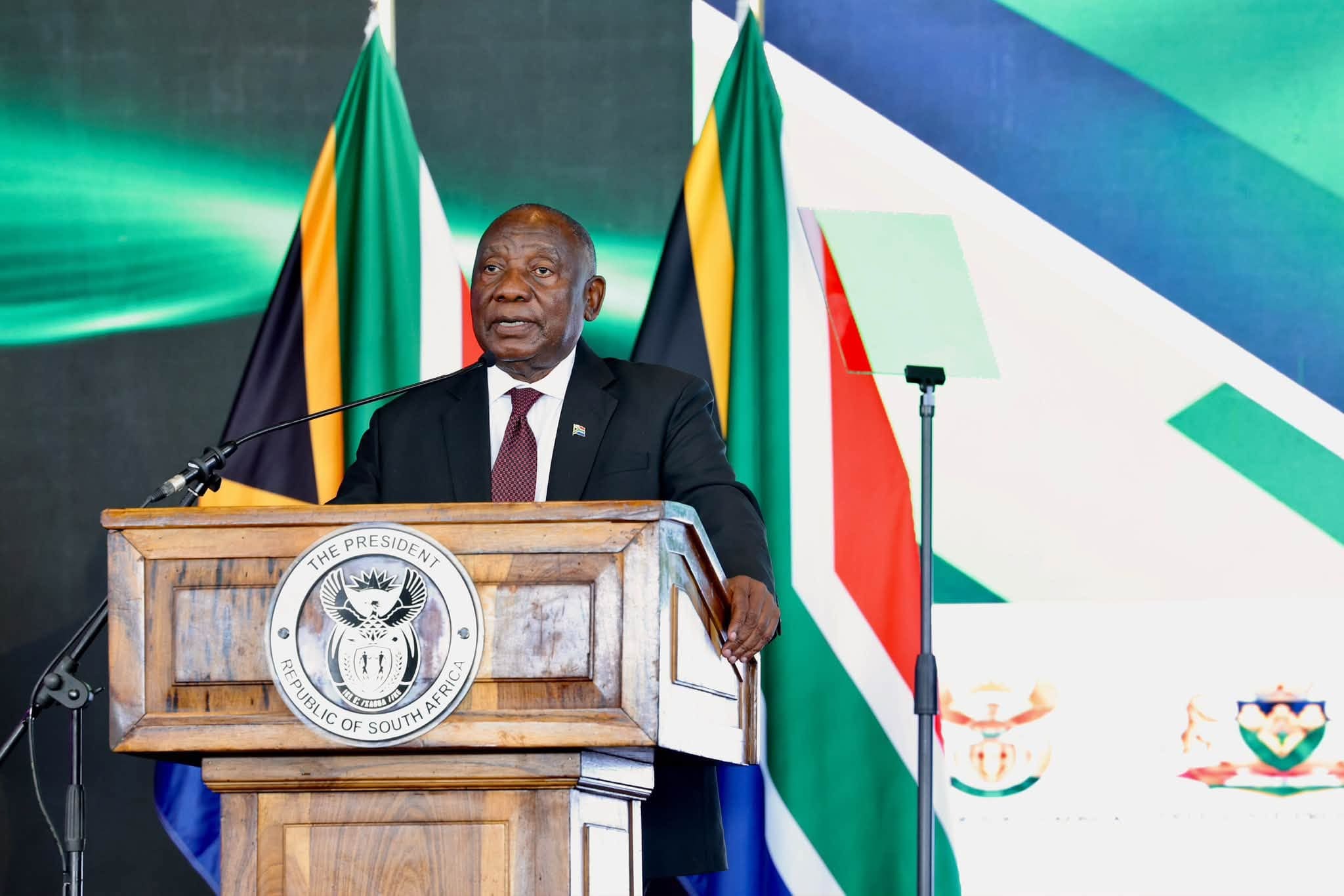
President Cyril Ramaphosa announced three investment initiatives on 9 October 2026 during the launch of the Free State Catalytic Investment and Industrialisation Programme at the Phuthaditjhaba Multipurpose Centre in QwaQwa.
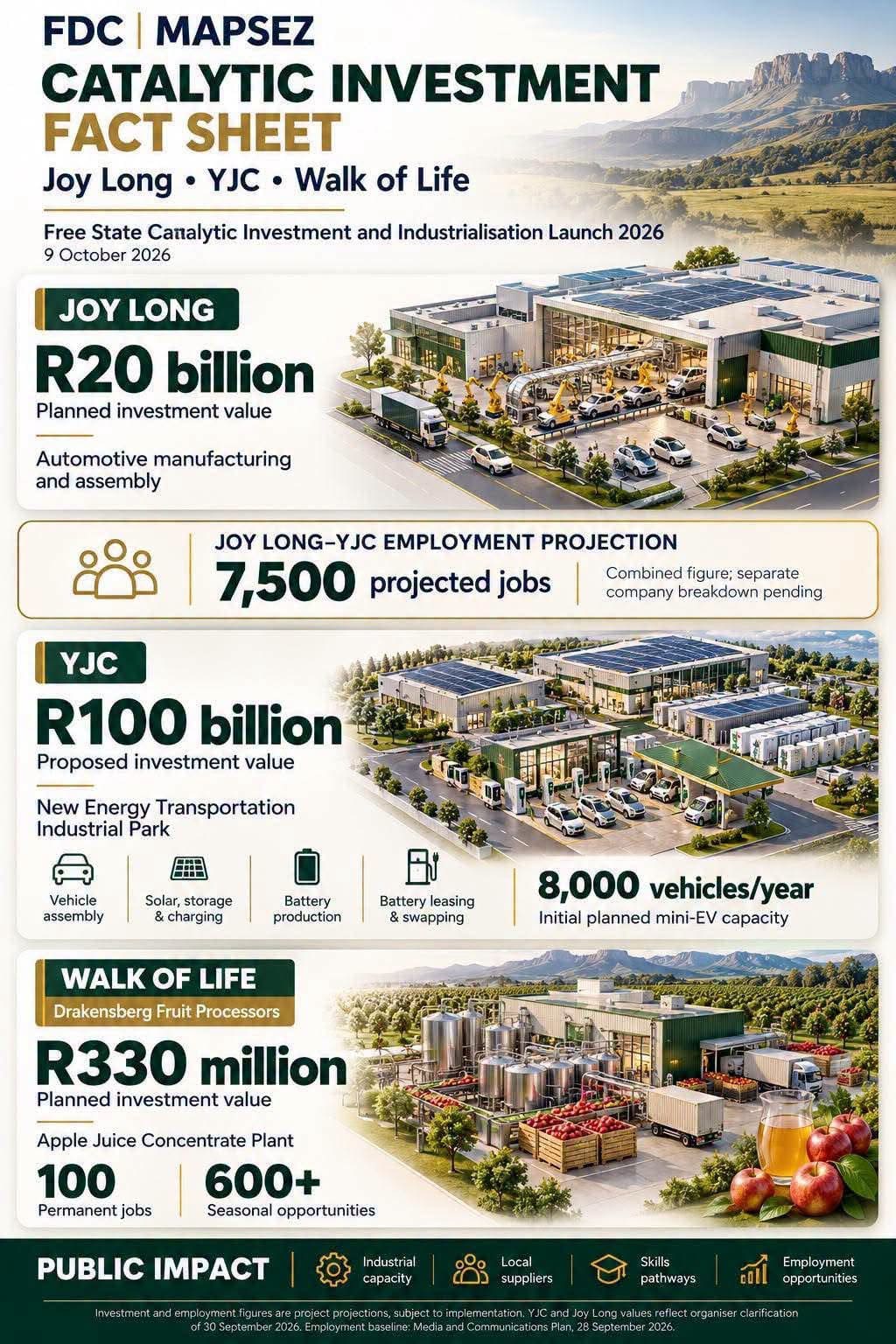
The initiatives cover renewable energy, electric vehicle manufacturing, and agricultural processing, valued at more than R120 billion total.
For small, medium, and micro enterprises (SMMEs), the benefits could go beyond job creation. These projects require goods and services, potentially opening markets for businesses in nearby communities.
However, how much local entrepreneurs benefit depends on procurement arrangements, supplier requirements, and whether smaller enterprises can compete for contracts.
The proposed YJC renewable energy project represents an investment of approximately R100 billion and could create 6,500 jobs.
The planned Joylong Automotive Manufacturing project, valued at approximately R5.5 billion, is expected to create 1,500 direct jobs over five years and produce up to 8,000 electric vehicles annually.
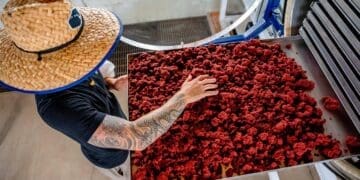
The Walk of Life Apple Juice Concentrate Plant represents an investment of approximately R330 million and is expected to create 100 permanent jobs and around 600 seasonal employment opportunities.
These projects could generate demand for transport, construction, security, cleaning, maintenance, packaging and distribution services.
Agricultural processing could also create a market for farmers and businesses supplying raw materials, while automotive manufacturing and renewable energy may require specialised technical services.
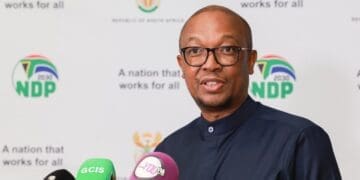
Ramaphosa highlighted the importance of connecting industrial investment to the wider economy during the launch.
“Our established manufacturers and our small- and medium-sized enterprises should prepare to meet these needs,” he said.
His remarks highlight the potential for local businesses to participate in the industrial supply chain. However, securing contracts will depend on the projects’ procurement processes and local suppliers’ ability to meet the requirements.
Free State Premier MaQueen Letsoha-Mathae also stressed the importance of ensuring that industrial investment benefits businesses within the province.
“I urge investors to develop local suppliers and transfer knowledge, so that the skills and productive capacity created through these partnerships remain in the Free State,” she said.
The Premier’s remarks place local supplier development at the centre of the province’s industrialisation ambitions.
For entrepreneurs, this could mean opportunities to supply goods, provide services or develop partnerships with larger companies. Agricultural businesses could benefit from processing opportunities, while transport operators and packaging suppliers could serve businesses in the new industrial value chains.
However, these remain potential opportunities rather than confirmed contracts for QwaQwa’s businesses.
The government and project developers must clarify supplier registration processes, procurement timelines and requirements local enterprises must meet to participate.
Infrastructure remains critical
Reliable infrastructure will influence whether businesses can take advantage of investment.
Ramaphosa said government was committed to improving electricity and water provision, roads, industrial facilities and administrative processes to attract investors.
For small businesses, these conditions affect operating costs, production capacity and their ability to deliver.
Access to finance, technical skills and equipment could challenge emerging suppliers competing with established companies for contract awards and investment growth in renewable energy, automotive manufacturing, and investment growth in the region’s tourism and agricultural processing initiatives.
But for QwaQwa’s entrepreneurs, the central question is whether to translate into accessible markets, supplier contracts and growth or provide information about procurement opportunities and implementation timelines.