













































As commuters pull their jackets tighter and temperatures continue to fall across South Africa, another winter ritual is playing out on busy street corners, taxi ranks and marketplaces.
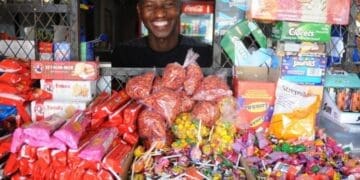
Queues are forming around steaming pots of soup, freshly fried vetkoek, roasted mealies, coffee stations and food stalls serving hot meals.
For many informal food traders, winter is not just another season it is their biggest business opportunity of the year.
While consumers search for affordable ways to stay warm, street food vendors are hoping the cold weather will translate into hotter sales and stronger profits.
At the Tonga taxi rank, a vendor, Thandi Mdluli, said winter changes customer behaviour almost overnight. “People buy more tea, coffee and vetkoek when it’s cold. Some customers who normally buy one item end up buying two or three because they want something warm,” she said.
Mdluli, who has operated her food stall for five years, said winter is often her most profitable season. “Business improves when temperatures drop. We prepare more food because we know demand will be higher.”
Across the country, informal traders are reporting similar trends as consumers increasingly seek affordable comfort foods during colder months. Seasonal demand creates opportunities for entrepreneurs who understand consumer behaviour.
Lerato Mokoena’s winter favourites, such as soup, tea, coffee, porridge, roasted meat and vetkoek, often see strong demand because they are affordable and accessible.
“Street food vendors are very responsive to market conditions. They adapt quickly and offer products that customers want during different seasons.”
The ability to adjust menus and pricing gives many informal traders a competitive advantage over larger food businesses, for customers facing rising living costs, spending R10 or R20 on a hot meal remains more affordable than eating at formal restaurants.
Rising costs threaten margins
While sales may increase, many vendors say profitability remains under pressure. The cost of cooking oil, flour, meat, vegetables and transport has risen significantly over the past few years, forcing traders to carefully manage expenses.
Food vendor Sipho Nkosi says customers want affordable meals, but suppliers continue to increase prices.
“We sell more food during winter, but ingredients are also more expensive. Sometimes you sell more but don’t make much more profit,” Nkosi said.
Many traders are responding by reducing waste, sourcing products locally and introducing value meals to attract customers.
South Africa’s informal food sector plays a vital role in local economies, providing affordable meals while creating employment and business opportunities.
The sector demonstrates how small businesses can identify seasonal trends and turn them into income opportunities.
As winter settles in, thousands of vendors are proving that sometimes the best business strategy is simple: serve something hot when the weather turns cold.