

















































The South African government is working to turn its long-standing relationship with India into more practical economic gains, with a stronger focus on trade, investment and opportunities for businesses.
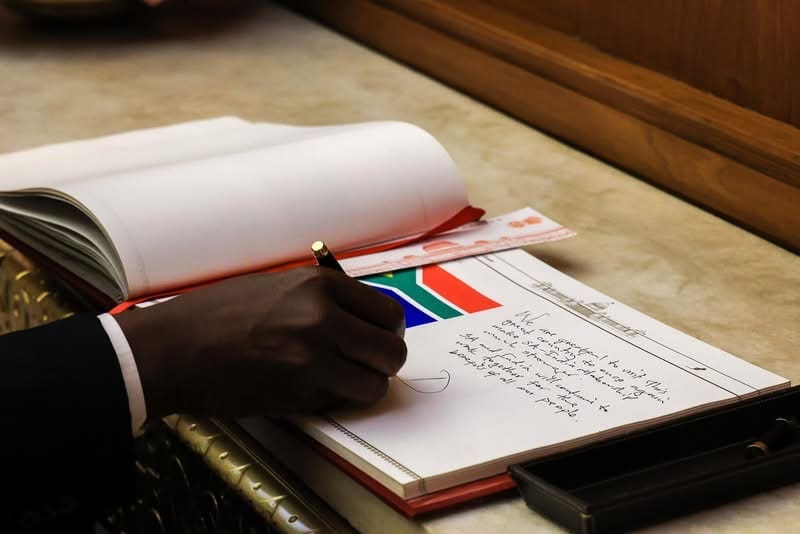
The renewed push follows recent high-level engagements in India led by Deputy President Paul Mashatile, where both countries agreed that cooperation must move beyond discussions and translate into real economic outcomes.
Mashatile said the purpose of the visit was to strengthen trade and investment relations and deepen engagement with investors interested in South Africa.
He said India continues to play an important role in South Africa’s investment landscape and remains a key strategic partner.
“Currently, India ranks among the top 10 investing countries in South Africa,” Mashatile said.
He added that the focus is now on ensuring that diplomatic relations translate into practical economic benefits, including job creation, industrial development and stronger trade flows.
From diplomacy to practical cooperation
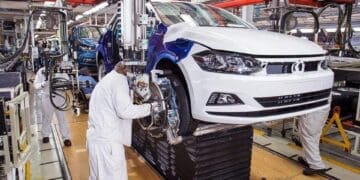
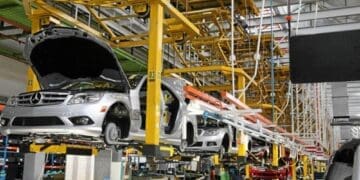
Both countries say future cooperation will focus on sectors that can directly support economic growth, including renewable energy, automotive manufacturing, infrastructure, mining, agriculture and digital industries.
There is also growing emphasis on emerging industries such as artificial intelligence, advanced manufacturing, digital infrastructure and pharmaceuticals.
Mashatile said discussions with Indian business leaders reflected strong interest in expanding investment into South Africa across these sectors.
“We engaged with leading Indian corporations and business associations,” he said, adding that companies operating in energy, infrastructure, ICT and manufacturing were part of the engagements.
As part of this shift, South Africa and India agreed to hold technical workshops on advanced manufacturing, geospatial technology and digital infrastructure to support industrial development.
The Department of Science, Technology and Innovation said the partnership is aimed at strengthening innovation systems and supporting long-term economic growth through skills development and knowledge exchange.
What this means for businesses and the economy
The partnership is expected to open new opportunities for South African businesses through increased trade, investment and access to technology.
For larger firms, this could mean expanded investment flows from India into key sectors such as energy, manufacturing and infrastructure.
For small and medium-sized enterprises (SMEs), the impact is expected to come through access to new export markets in India, participation in supply chains linked to new investments, exposure to new technology and skills development, as well as opportunities in agriculture, manufacturing and digital services.
Officials say the long-term goal is to integrate South African businesses into global value chains linked to India’s fast-growing economy.
Mashatile said there is also growing momentum to improve trade facilitation and expand exports.
He said there is particular interest in expanding agricultural exports and improving market access for South African products, including within fast-growing Asian markets.
The partnership is being positioned as part of South Africa’s broader effort to attract investment, grow exports and support economic recovery in a difficult global economic environment.
India’s rapid economic growth and industrial base make it a key partner for South Africa as it seeks to diversify trade relationships and boost competitiveness.
If implemented effectively, the cooperation could support job creation, industrial growth and stronger participation of South African businesses in global markets.