











































South Africa’s headline gross domestic product recorded a higher-than-expected 0.5% quarter-on-quarter expansion in the first quarter of 2026, marking a sixth consecutive quarter of positive economic growth.
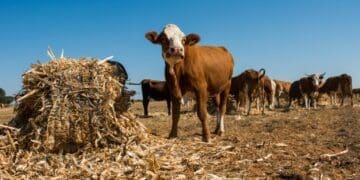
Data from Statistics South Africa points to a resilient performance driven primarily by the supply side, where finance expanded by 0.9% and agriculture rebounded robustly by 3.9%.
While institutional investors and policymakers view these consecutive expansions as a modest macroeconomic victory, independent small and medium enterprises are operating in a drastically different economic reality.
Beneath the headline figure, domestic consumption demand is completely flatlining. Statistics South Africa expenditure data reveals that household consumption expenditure crawled ahead by a marginal 0.1% quarter-on-quarter, while retail trade recorded absolute zero per cent growth.
This stagnant local demand, paired with an elevated interest rate environment, has created a stark structural disconnect. Large-scale, export-oriented corporations are pulling the primary economy upward, while localized township and suburban small businesses remain trapped in a defensive cycle of declining customer spend and rising structural overheads.
Compounding this consumer paralysis is a massive capital freeze. Gross fixed capital formation pulled back by 1.1% in the first quarter of 2026, driven directly by a severe contraction in commercial investments for machinery, equipment, and building infrastructure.
For the country’s small business sector, which contributes roughly 40% of national production and drives 60% of total employment, this systemic investment drought is directly linked to an estimated R350 billion financing gap. Traditional banking requirements continue to favour historical collateral and corporate-scale balance sheets over the rapid, data-led needs of modern entrepreneurs.
The ground-level retail squeeze
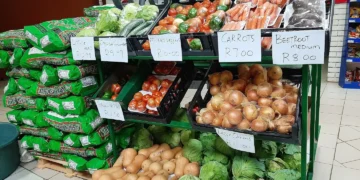
For independent business owners operating on the ground, the positive economic data feels entirely detached from their daily order books. The zero per cent retail growth is felt acutely by consumer-facing small businesses that lack a corporate or export-driven safety net.
“Consumers are counting every single cent, and as a retail boutique owner, you see that immediately,” says Vuyisanani Ncube, owner of a clothing boutique in Johannesburg. “The news says the economy is growing, but my foot traffic tells a completely different story. People are prioritising basic necessities like transport and food, leaving luxury or independent retail completely out in the cold. We want to expand our inventory and invest in marketing, but when sales are flat and bank credit is incredibly expensive, the math just doesn’t add up.”
This sentiment is echoed across other struggling local sectors, where small business owners are forced to absorb rising input pressures without any financial cushion.
“We are completely price-takers in this market,” explains Philasande Zondi, an independent logistics and supplier agent. “Our operational overheads, especially localised municipal utility costs and transport expenses, keep climbing, but we can’t just increase our prices because our local clients are already financially squeezed. Big corporations can negotiate better terms or lean on their scale, but as a small business, you are completely caught in the middle. We have completely frozen our plans to hire permanent staff this year.”
Moving from survival to targeted growth
The contrast between corporate recovery and small business paralysis highlights the core challenge of the country’s dual economic trajectory. This reality has been officially acknowledged by the newly established Small Enterprise Development and Finance Agency (SEDFA).
In its strategic operational layout for the financial year, the unified government agency noted that unlocking the actual potential of the small business sector requires direct, targeted interventions to reduce the administrative red tape and structural financing barriers that currently prevent micro-enterprises from formalising and scaling into meaningful value chains.
“The story of small businesses in 2026 is no longer one of pure survival, but not yet one of full recovery either,” explains Trevor Gosling, Chief Executive Officer of funding platform Lula. “What we are seeing instead is measured optimism. Businesses are becoming more deliberate about where they deploy capital, which opportunities they pursue, and how they protect cash flow. The future of small business finance will not simply be about access to capital. It will increasingly be about helping businesses make smarter decisions and giving them the confidence to act at the right time.”