






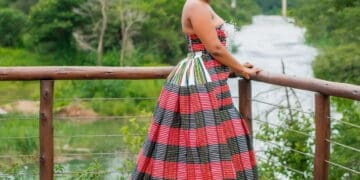
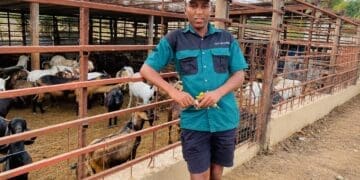
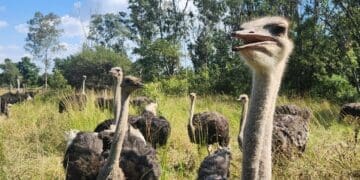





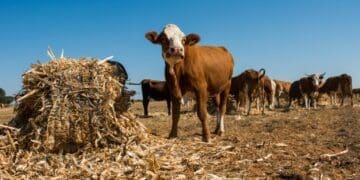























Women are increasingly shaping South Africa’s agricultural economy through farming, entrepreneurship, research, innovation and rural development, highlighting the important role they can play in strengthening small businesses and communities across the agricultural value chain.
This was highlighted at the third edition of the Women’s Voice in Agriculture competition, hosted by Hollard, which recognises women whose work is contributing to agriculture and its wider ecosystem.
The initiative comes as agricultural businesses face interconnected challenges, including production risks, rural safety, market access, logistics and financial pressures. For small and emerging agricultural businesses, these challenges can determine whether an enterprise survives, creates jobs or has the capacity to expand.
Women driving change across agriculture
The competition’s finalists demonstrated the breadth of issues women across the sector are addressing.
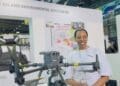
Grietha Van Rensburg focused on rural safety and livestock theft, while Boniswa Kuhle Dlamini addressed farmer development. Christel Basson presented on advocacy for rural development, Carla Myburgh examined the future of agriculture, and Petru Fourie highlighted the often-overlooked role of animal feed.
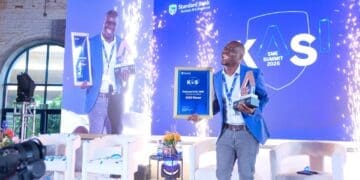
Myburgh was named the overall winner, with Basson taking second place and Fourie third. Accepting the award, Myburgh said women should use their influence to contribute to meaningful change in the sector.
“I will continue to champion women’s inclusion and empowerment in agriculture while keeping my feet on the ground and my eyes on the horizon,” said Myburgh.
Her recognition highlights a broader opportunity for South Africa’s agricultural economy: creating more pathways for women to move from participation into ownership, leadership and business growth.
The SMME opportunity
For agricultural SMMEs, women’s participation is not only a representation issue. It is also linked to the development of businesses across the agricultural value chain.
Women-led enterprises can operate in areas ranging from primary production and food processing to agricultural services, logistics, research and technology.
Greater access to finance, markets, skills, mentorship and procurement opportunities could help more women-owned businesses move beyond survival and build sustainable enterprises.
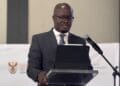
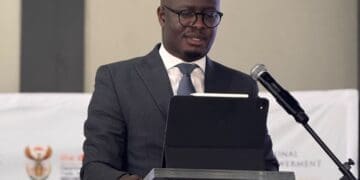
Andries Wiese, Head of Agriculture at Hollard Insure, said agriculture should be understood as an interconnected ecosystem rather than a collection of isolated businesses.
“Agriculture does not operate linearly. It is an ecosystem of farmers, brokers, researchers, agribusinesses, communities, financiers, logistics partners and many others whose work is deeply connected,” said Wiese.
This interconnectedness is particularly important for smaller businesses, which can be vulnerable when disruptions occur elsewhere in the value chain.
A production problem can affect transporters. Poor market access can affect farmers’ cash flow. Rural safety concerns can increase operating costs, while logistics challenges can affect the ability of businesses to deliver products to customers.
Investing in women leaders
Terryn Palani, Chief People Officer at Hollard, said they want to see more women leading the agriculture sector.
Johann Pretorius, Director at Future Agri Perspective Group, said the competition was established to support the growth of women-led agricultural enterprises and initiatives.
He said partnerships between organisations with a shared commitment to agriculture could help strengthen the wider agricultural ecosystem.
The programme also recognised established women leaders through Special Recognition Awards, including economist Rona Beukes, Southern African Grain Laboratory general manager Wiana Louw, Fruit South Africa CEO Fhumulani Ratshitanga, genetics specialist Dr Renee Prins and Agbiz Head of Legal Intelligence Annelize Crosby.