





































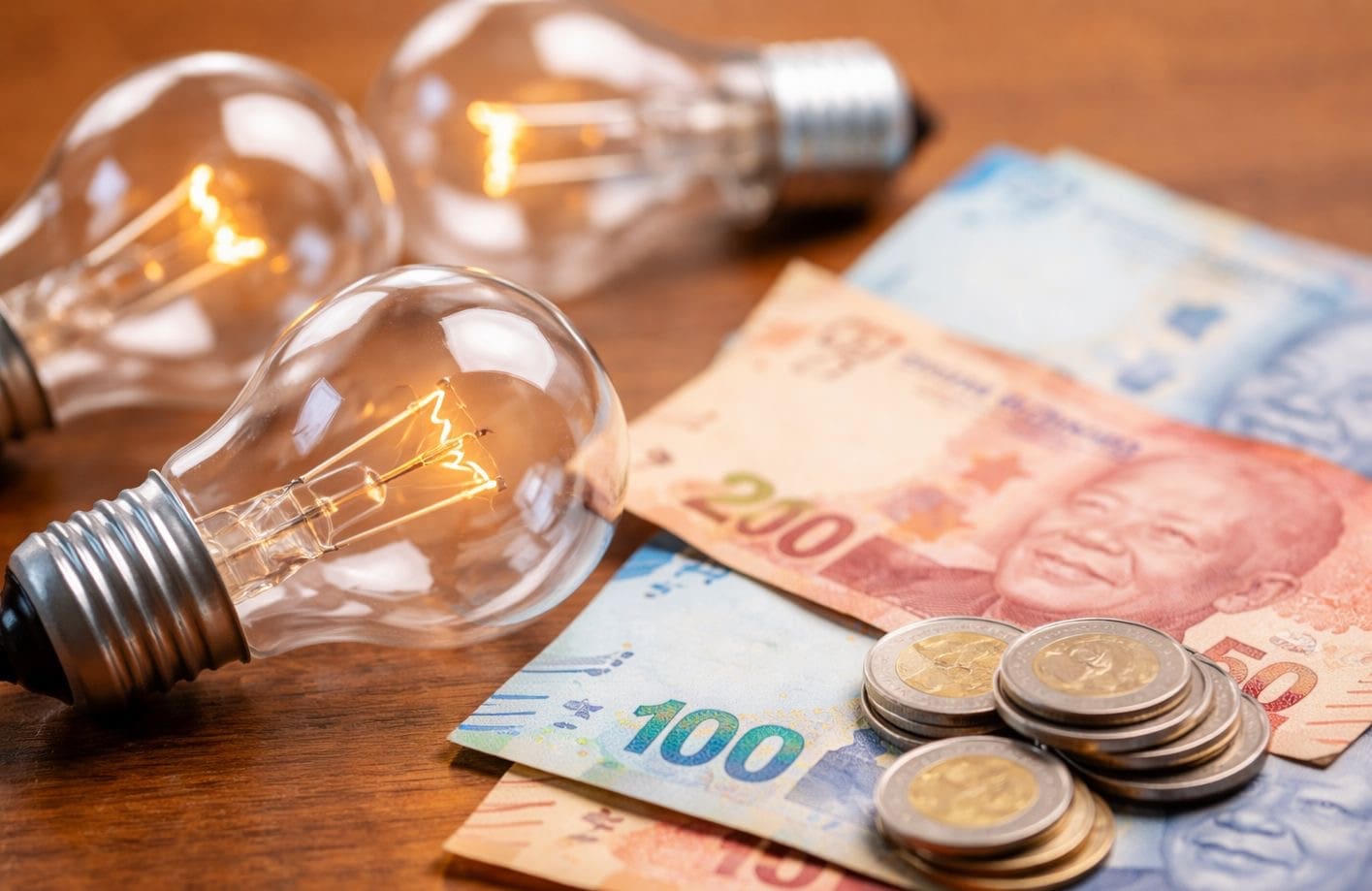
Small businesses across South Africa are facing rising electricity costs as Eskom prepares to increase tariffs by nearly 9% from 1 April 2026. Municipal customers will follow in July.
The hikes stem from a recalculation of Eskom’s allowable revenue, which revealed consumers must cover an additional R54.7 billion over time due to past errors.
Under the National Energy Regulator of South Africa (NERSA) Eskom Retail Tariff and Structural Adjustment (ERTSA), the extra R54.7 billion will be phased in R12 billion in 2026, R23 billion in 2027, and R19.7 billion thereafter. These adjustments do not include rising fixed network and service charges, which will further squeeze small businesses operating on thin margins.
Immediate cost pressures threaten SME sustainability
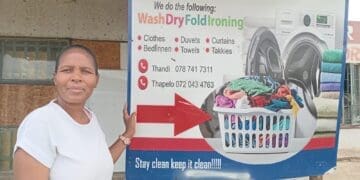
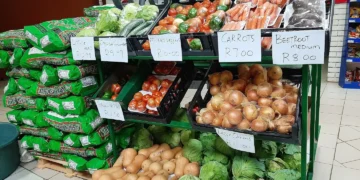
“I have four fridges and several appliances. Power costs have nearly doubled in the past few months. If tariffs rise again in April, I may need to raise prices or cut staff hours, which will affect both my customers and employees,” said Adam Muhammad, who runs a small grocery shop in Laudium.
“Electricity is one of our biggest monthly expenses. Any further increase means less money for ingredients and wages. We are running on very thin margins these hikes could force closures if we cannot manage costs,” said Gloria Mabasa, a resident in Philip Nel who runs a small cookie business.
Frank Blackmore, Lead Economist at KPMG South Africa, highlighted the strain on SMEs as electricity prices rise.
“The impact will clearly be negative, as higher electricity costs force small businesses to divert funds from other essential operations to cover power bills,” he said.
“A consequence of electricity price increases is that nearly all products and services see higher costs as businesses adjust to more expensive energy. Small businesses often operate on thin margins and may struggle to absorb these increases.”
He added that SMEs could be forced to make tough decisions.
“Businesses may have to cut staff, find cheaper suppliers, or reduce the goods and services they offer. Unlike larger companies, small businesses don’t have a financial buffer, so the effects are immediate and severe.”
Rising electricity tariffs deepen broader economic strain
Murray Crow, Managing Director of Kwikot, noted that electricity availability has improved, but affordability remains a problem.
“Load shedding may be less of an issue, but prices, infrastructure strain, and climate volatility remain critical. SMEs are asking a key question even if electricity is available, can they afford to use it?”
The Consumer Price Index shows electricity tariffs have consistently outpaced inflation. Between 2008 and 2024, tariffs increased roughly 937%, far exceeding wage growth. Rising energy costs ripple through the economy, increasing the price of goods and services, and adding pressure on small businesses to remain competitive.
Households under pressure as energy costs escalate
The financial pinch is not limited to businesses. Nokuthula Dlamini, a mother of three in Johannesburg, described how quickly electricity now runs out.
“I used to buy R50 of electricity, and it would last a week. Now it only lasts three days, and mind you, I’m just using it for the fridge, ironing, charging phones, and lights. I even bought a gas stove, even though I know it’s not completely safe, just to try and save. Now, even R100 barely gives me 20 units, which runs out in just a few days. Prices keep rising, but incomes stay the same it’s becoming impossible to keep up. With so many people unemployed, how are we expected to survive?”
Between 2008 and 2024, electricity tariffs increased roughly 937%, far exceeding wage growth. Rising energy costs push up the price of almost every product and service, creating additional pressure on SMEs that depend on stable operating costs.
Regulatory response and long-term energy reform plans
NERSA Chairperson Thembani Bukula acknowledged past miscalculations but stressed the phased approach prevents sudden shocks. Eskom has also introduced EasyElectricity packages for prepaid customers to provide a clearer breakdown of costs and help businesses plan consumption.
In his State of the Nation Address (SONA), President Cyril Ramaphosa highlighted energy reforms, noting the need for structural change to prevent reliance on a single supplier. By 2030, over 40% of South Africa’s energy supply is expected to come from renewable sources, which could improve long-term stability and reliability key concerns for SMEs managing tight budgets.
Related content: