





































Limpopo’s renewed investment in agro-processing, agricultural infrastructure and rural industrialisation is raising hopes among small businesses that the province’s agribusiness sector could become a major driver of economic growth, local manufacturing and job creation.
Limpopo MEC for Economic Development, Environment and Tourism (Ledet), Tshitereke Matibe, announced several agribusiness interventions during the department’s 2026/27 budget speech delivered at the Limpopo Legislature in Lebowakgomo on Thursday.
Among the key developments announced are the operationalisation of the Lebowakgomo abattoir and hatchery, the revival of major agricultural projects and plans to expand agro-processing infrastructure in rural areas.
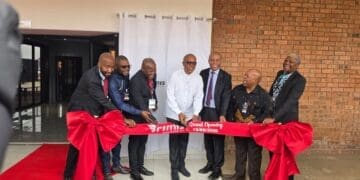
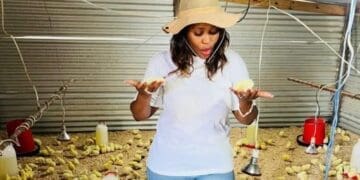
Matibe said the Lebowakgomo abattoir and hatchery are now fully operational, with the abattoir licensed to process up to 20,000 birds per shift.
“This marks a significant milestone in strengthening agro-processing capacity within the province,” said Matibe.
The government also confirmed that an investor has been secured for the historic Zebediela Citrus Estate. At the same time, operators have been appointed for the Vhembe Fresh Produce Packhouse in Tshakhuma and the Tshivhase Mukumbani Tea Estate diversification project.
Matibe said these investments are expected to revive key agricultural assets and unlock long-term economic value for surrounding communities.
“The economic impact of these projects on their communities attests to why they must not be left to rot,” he said during the budget speech.
The province is also expected to begin implementing a potato processing plant in Dendron during the 2026/27 financial year, aimed at strengthening agro-industrial value chains and boosting rural participation in the economy.
Agro-processing projects expected to unlock rural economic growth
Matibe said agribusiness and agro-processing remain central to the province’s economic strategy, with government positioning the sector as a key driver of industrialisation, employment and inclusive growth.
The budget speech also highlighted ongoing support for industrial development through infrastructure investment, Special Economic Zones (SEZs), industrial park revitalisation and enterprise development programmes targeting township and rural businesses.
Small businesses in the agro-processing sector say these developments could help emerging enterprises gain access to funding, enter formal supply chains and expand into wider markets.
Dr Kweteps Creatives Pty Ltd, a Mankweng-based agro-processing company founded in 2019, said the provincial budget engagement created important opportunities for rural businesses to position themselves within Limpopo’s growing agro-processing economy.
The company produces Moringa Nutrika, a multi-herbal powder, and protein-rich instant porridge made from Bambara groundnut, infused with moringa and fruits.
Founder Teboho Kwetempane said platforms linked to the government’s industrialisation agenda are crucial for rural SMEs looking to scale.
“This opportunity gives us exposure as a rural-based agro-processing business. It helps us reach new markets, connect with stakeholders, and position our products within formal value chains,” said Kwetempane.
He said SEZ development and agro-processing expansion could unlock long-term growth opportunities for emerging manufacturers.
“As an SME in agro-processing, we see this as a chance to grow, access funding opportunities, and strengthen local production so that we can compete in the broader market,” he said.
SMEs say visibility and market access remain key challenges
Solly Mogano, founder of Broad Nature Plants in Ga-Molepo, said participation in economic development platforms is critical for new and emerging businesses still trying to establish themselves.
Broad Nature Plants produces natural oral care products, including plant-based remedies aimed at supporting oral hygiene and toothache relief.
“We are still a new business in the market, and opportunities like this are important for us because they help people see, understand, and engage with what we do beyond just the product,” said Mogano.
He said many small businesses still struggle with visibility, funding access and entry into larger commercial markets.
“As a growing SME, what we need is visibility, funding access, and entry into bigger markets. Platforms like this give us recognition and open doors into structured value chains,” he said.
Government expands SME and enterprise support
The government has continued supporting small businesses through township and rural enterprise programmes, with 160 enterprises supported under the Limpopo Township and Rural Business Support Programme and 145 businesses assisted through the Retail and Wholesale Support Programme during the past financial year.
Industrial park revitalisation projects in Seshego and Nkowankowa, along with a R12 million allocation towards the Limpopo Jewellery Business Incubator and infrastructure upgrades, are also expected to strengthen manufacturing capacity and SME participation in the provincial economy.
Between 4 and 7 May 2026, the department also distributed R5 000 business support vouchers to 157 small businesses across Limpopo’s five districts. The support targeted sectors, including farming, agro-processing, manufacturing and services, aimed at boosting operations and job creation.
Government says enterprise development remains central to its economic strategy, with 402 SMMEs supported in the 2025/26 financial year, including women, youth, persons with disabilities and military veterans.
The province allocated R1.814 billion to the Department of Economic Development, Environment and Tourism for the 2026/27 financial year, as Limpopo continues to push its industrialisation and rural economic transformation agenda.