








































Small food businesses are adjusting their operations as beef prices remain elevated, forcing many to rethink menus, review supplier relationships and look for more affordable protein options.
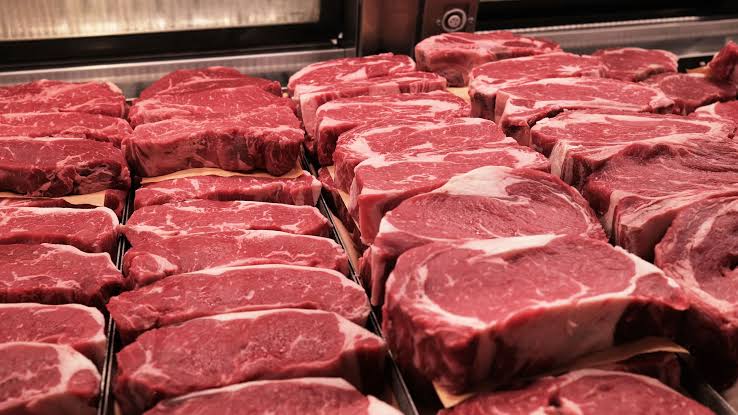
The latest market data from the Red Meat Producers’ Organisation (RPO) shows the average A2/3 beef carcass price increased to R66.47/kg for the week ending 26 June 2026, up from R64.96/kg the previous week.
The increase suggests wholesale beef prices continue to place pressure on businesses that rely on red meat as a key ingredient.
Rising input costs have made it steep to maintain affordable prices for customers while protecting profit margins for small businesses such as butcheries, restaurants, catering companies and township braai outlets
Livestock market analysts say the red meat market remains firm despite changing supply conditions, meaning businesses are likely to face sustained pressure on input costs in the short term.
Wholesale prices keep pressure on SMEs
While wholesale prices remain firm, the latest consumer inflation data from Statistics South Africa suggests retail meat inflation is beginning to ease.
Meat inflation slowed to 7.3% year on year in May, down from 9.4% in April. Prices for some products, including stewing beef and beef mince, declined on a monthly basis, although both remained more expensive than they were a year earlier.
Despite this moderation, small businesses say beef remains one of their biggest operating costs.
Peet Marais, owner of Vleismark Butchery in Pretoria North, said rising wholesale prices have squeezed profit margins and changed customer buying habits.
“We are making less money than before, even though our costs have gone up,” Marais said.
He said the butchery reviewed its prices in May after paying more for beef from suppliers.
“Customers still want beef, but many are now buying smaller quantities or choosing mince, stew meat and wors instead of premium cuts,” he said.
Marais said the butchery continues to manage stock carefully to remain competitive while maintaining product quality.
While beef remains a staple for many South Africans, affordability is shaping purchasing decisions for both businesses and consumers.
Restaurants turn to mixed protein options
Restaurants and take-away businesses are relying on alternatives such as chicken, pork, wors and mixed-meat dishes to keep meals affordable.
Thabiso Khoali, owner of Basement Shisanyama and Pub in Pretoria West, said the business has expanded its chicken, pork and mixed offerings to provide customers with more affordable meal options while managing rising input costs.
“Our customers choose chicken because they are looking for more affordable meals. Beef is still popular, but it is becoming harder to keep menu prices unchanged, so we have a mixed option with beef,” Khoali said.
Khoali said balancing affordability with profitability is possible as operating costs continue to rise.
The pressure extends throughout the value chain, from livestock producers and abattoirs to wholesalers and independent retailers.
The Red Meat Producers’ Organisation said the recent increase in the average A2 beef carcass price is largely due to a continued shortage of carcasses in the market. In its latest weekly market report, the organisation noted that while prices could ease slightly during July because of weaker winter demand for prime cuts, they are expected to remain relatively stable thereafter.