











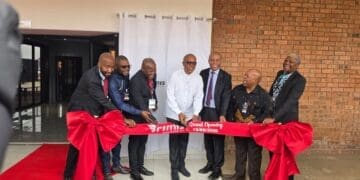























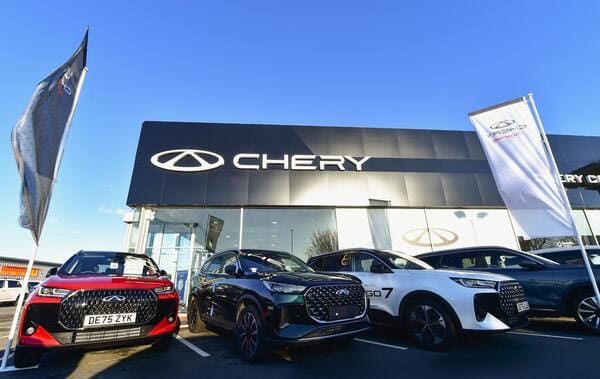
Chery’s takeover of the former Nissan plant in Rosslyn has given the automotive industry a fresh boost with expected support for local businesses and to help revive one of South Africa’s largest vehicle manufacturing hubs.
The Chinese vehicle manufacturer plans to create about 3,000 direct and indirect jobs as it expands production in Rosslyn.
Chery International Vice President Charlie Zhang said the company’s vision extends beyond producing vehicles.
“Our long-term goal is to turn the Rosslyn plant into a complete automotive centre with research, supply chain development and training, supporting Chery’s growth across Africa,” Zhang said.
The City of Tshwane Executive Mayor Dr Nasiphi Moya said the city wants the investment to deliver lasting benefits for businesses and communities.
“We are looking forward to seeing this facility become a place where innovation thrives, where South Africans acquire new skills, where local suppliers are empowered, and where thousands of families benefit from sustainable economic opportunities,” Moya said.
But the labour advises that the next phase is even more important.
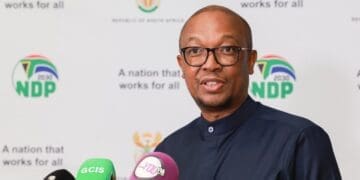
Motor Industry Staff Association (MISA) spokesperson Phakamile Hlubi-Majola said South Africa must ensure that foreign investment leads to local manufacturing rather than simply assembling imported parts.
“We don’t want a situation where we’re just assembling these products without us being able to benefit meaningfully,” Hlubi said.
Local businesses eye new opportunities
The Rosslyn plant has been one of South Africa’s key vehicle manufacturing facilities for decades.
After Nissan ended production, uncertainty spread across the factory and businesses linked to the automotive industry.
Chery now plans to use the facility as its manufacturing hub for Africa while retaining the existing workforce and expanding production over the coming years.
Deputy President Paul Mashatile said investments of this size should also create opportunities for South African businesses.
“[The] government calls upon Chery to work hand in hand with us in identifying and promoting local suppliers, especially those led by our youth,” Mashatile said.
He said increasing the use of locally produced goods and services would help spread the benefits of investment beyond the factory.
“Localisation enables township businesses to become engines of inclusive growth, and it ensures that innovation flows beyond the factory floor and into the broader economy.”
If more goods and services are sourced locally, SMEs could find opportunities supplying vehicle components, engineering services, logistics, packaging, maintenance, cleaning services, catering, uniforms and other products needed to support production.
Manufacturing remains the real opportunity
Hlubi-Majola said Chinese vehicle manufacturers have already contributed to growth in South Africa’s retail motor industry through increased dealerships and vehicle sales.
However, she believes the country’s greatest opportunity lies in manufacturing components locally.
“The real jobs are in manufacturing. The real jobs are in local component manufacturing,” she said.
She called on the government to encourage foreign manufacturers to produce more components in South Africa, invest in skills development and work with local suppliers.
Rosslyn has been given a second chance, but the long-term success of Chery’s investment will not only be measured by the number of vehicles produced.
For many SMEs, the real opportunity will be whether they can become part of the company’s supplier network and help drive South Africa’s next phase of automotive manufacturing.