















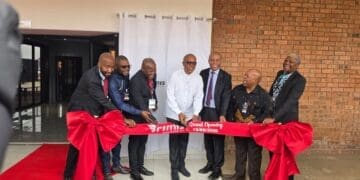
























A newly opened flea market and community Wi-Fi project in Middelburg is raising hopes among local entrepreneurs.
Still, business owners say the long-term success of the initiative will depend less on ribbon-cutting ceremonies and more on whether the facilities attract customers, remain well maintained and are supported by ongoing enterprise development programmes.
The projects were officially handed over by the Mpumalanga Department of Economic Development and Tourism (DEDT) through its Public-Private Partnership (PPP) programme.
According to the department, the investment forms part of government efforts to stimulate township economies, create employment opportunities and improve access to digital services for communities that have historically been excluded from economic opportunities. For many informal traders, however, infrastructure alone does not guarantee business growth.
Trading space only works if customers follow
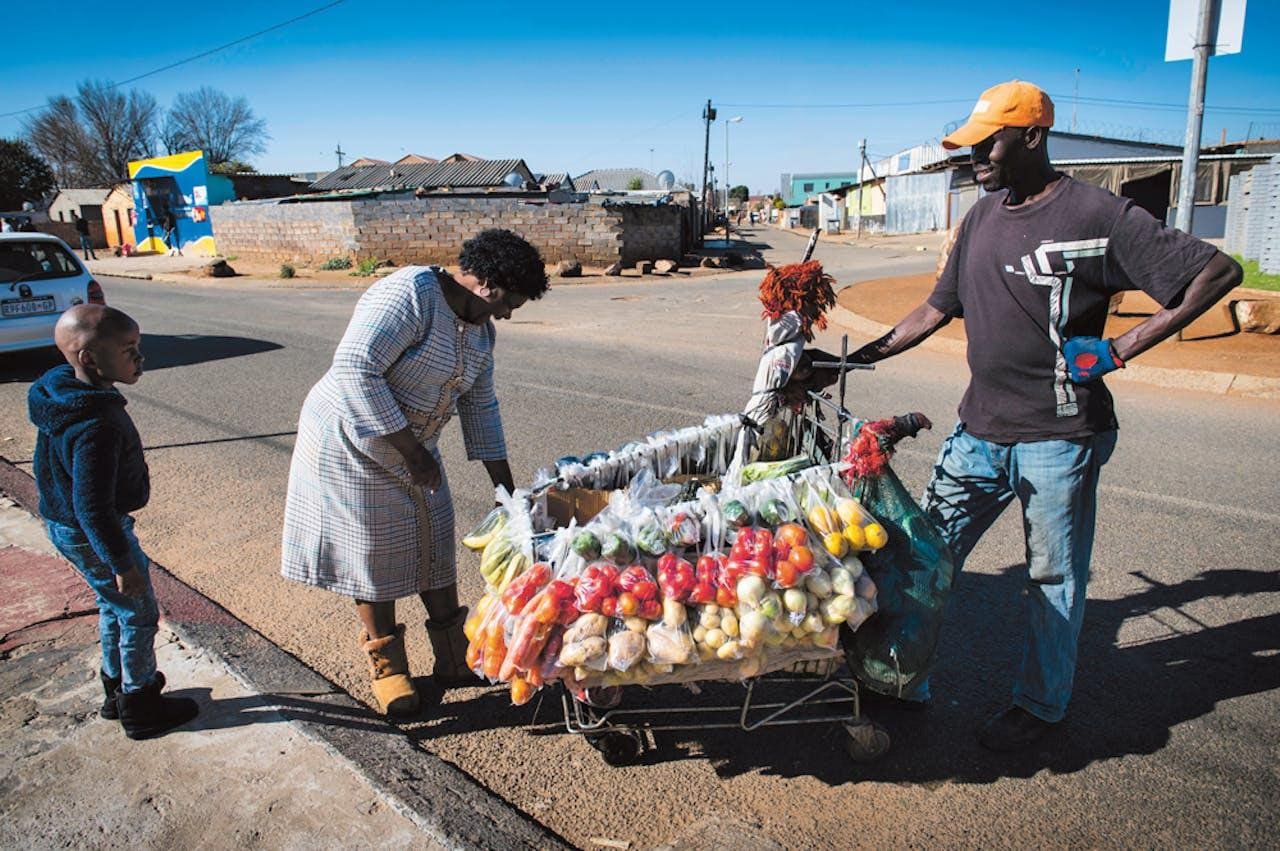
Street trader Malibongwe Mkhwanazi, who has been operating in Middelburg for several years, said the flea market has the potential to improve working conditions for informal businesses.
“Having a proper place to trade gives us dignity and protection from the weather. Customers also feel more comfortable buying from organised stalls. But the market will only succeed if people know it exists and choose to shop here regularly. Without customers, beautiful infrastructure alone cannot keep our businesses alive,” said Mkhwanazi.
He added that regular marketing campaigns and community events could encourage more residents to support local traders.
“The government should continue promoting the market instead of only launching it. Small businesses need continuous support, not once-off projects,” he said.
Digital access becoming an economic tool
Alongside the flea market, the community wi-fi initiative is expected to improve internet access for entrepreneurs, students and unemployed residents.
For many township-based businesses, affordable internet has become essential for marketing products, communicating with customers and processing online orders.
Local youth entrepreneur Sibusiso Dlamini, who operates an online clothing business, believes free internet can reduce operating costs for small enterprises.
“Most young businesses depend on social media for sales. Data costs are one of our biggest expenses. If the wi-fi is reliable and available every day, it could help entrepreneurs advertise more consistently, communicate with customers and even learn new business skills online,” said Dlamini.
He cautioned that the value of the project would depend on network quality and long-term maintenance.
“We have seen projects launched with excitement before, but after a few months they stop working because no one maintains them. Sustainability is what matters,” he said.
Infrastructure must be matched with business support
Economic development specialists have consistently argued that public infrastructure delivers greater returns when combined with enterprise development, mentorship and access to finance.
Small businesses operating from township markets often struggle with limited access to finance, inconsistent customer traffic, bookkeeping skills and formal market opportunities.
Without ongoing support, some public trading facilities across the country have experienced low occupancy rates despite significant investment.
Business development consultant Thandi Nkosi said the Middelburg project presents an opportunity to build stronger township economies if government continues supporting entrepreneurs beyond construction.
“Markets should become business hubs rather than simply trading spaces. Traders need training in financial management, digital marketing, customer service and product development. The Wi-Fi project can support that by providing access to online learning and e-commerce opportunities,” Nkosi said.
She added that collaboration between municipalities, private businesses and local entrepreneurs would be essential to ensure the facilities remain economically active.
The Mpumalanga Department of Economic Development and Tourism said the flea market is intended to provide safer, more organised trading facilities for informal businesses