





































South Africa’s proposed Gas Bill could create new opportunities for small and black-owned liquefied petroleum gas (LPG) businesses, but traders say regulatory burdens and market concentration continue to make it difficult for smaller operators to compete.
The concerns were raised during public hearings on the Gas Bill by Double U Gas, a black-owned small enterprise supplying LPG to households in townships and low-income communities.
The Gas Bill seeks to replace the existing Gas Act of 2001 and modernise the regulatory framework governing gas industry. It covers areas including gas infrastructure, licensing, regulation and the development of the country’s gas market.
For small businesses, the legislation is important because the way licences, distribution rights and market access are regulated could determine how easily smaller operators can enter and compete in the sector.
During the hearings, stakeholders called for the Bill to promote competition and prevent market concentration from shutting smaller and black-owned businesses out of the gas value chain.
Small traders face big-business rules
Double U Gas, trading as My Gas Spot told Parliament’s Portfolio Committee on Electricity and Energy that smaller gas traders support strong safety standards but continue to face structural barriers when competing with larger businesses.
“Small-scale liquefied petroleum gas traders continue to face barriers in the market,” the business said in its submission.
The company argued that small LPG businesses are often regulated in much the same way as large gas companies, increasing their administrative burden and making it harder for them to compete.
“Regulatory requirements should recognise the realities of small businesses operating in townships and low-income communities.”
It also raised concerns about the concentration of LPG supply among a small number of large wholesalers, saying this limits opportunities for independent traders seeking to grow their businesses.
Cylinder disputes hurt small businesses
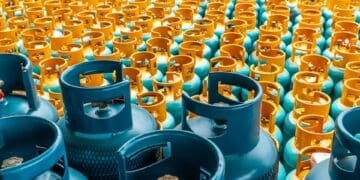
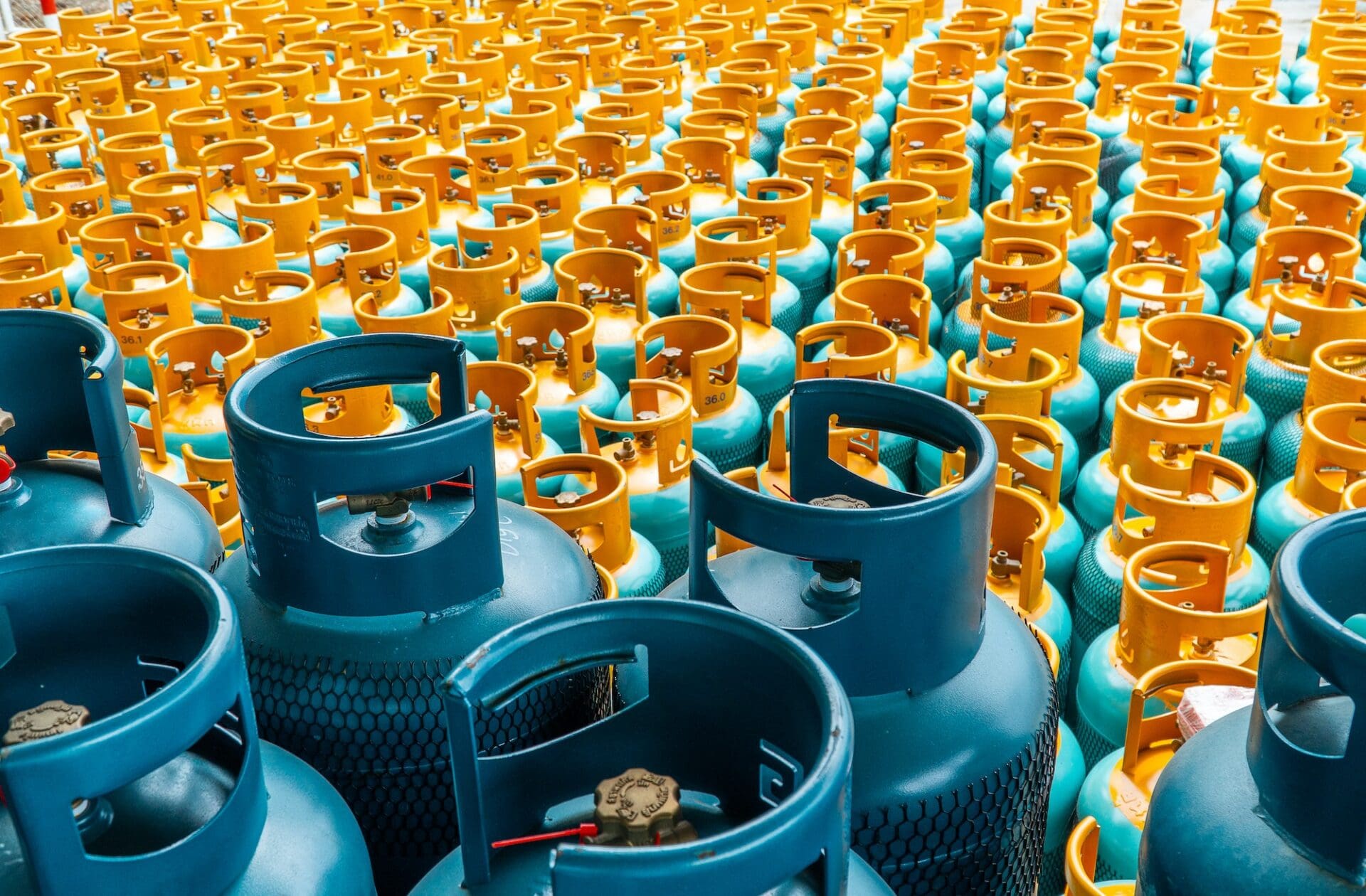
One of the biggest concerns raised was the retention of gas cylinders by competing businesses.
Double U Gas said the practice can leave smaller traders without the assets they need to continue operating, while the cost of replacing cylinders can put pressure on their businesses.
The business called for the National Energy Regulator of South Africa (NERSA) to have greater powers to resolve cylinder exchange disputes.
It also proposed measures to help low-income households finance safe gas installations, arguing that improving affordability could expand LPG access while creating opportunities for local businesses.
Competition to create room for new entrants
The broader Gas Bill hearings also highlighted the need for greater competition across the gas sector.
Sidney Mosoane, who supported the objectives of the Bill, called for limits on exclusive gas distribution rights to prevent long-term monopolies and create space for new entrants, including black-owned businesses.
He also recommended clearer coordination between NERSA and the Competition Commission on pricing matters to prevent regulatory overlap and uncertainty.
Greater competition could mean more opportunities to enter supply chains, distribute LPG and participate in future gas infrastructure projects for small businesses.
The hearings also considered how the sector should prepare for declining gas supplies from Mozambique.
Green hydrogen opportunities
The hearings also brought a future-focused business perspective, with Green Hydrogen Solutions calling for the Gas Bill to accommodate emerging technologies such as green hydrogen.
The business further urged lawmakers to ensure that the legislation accommodates emerging technologies such as hydrogen and renewable gases.
“The Bill should make provision for emerging technologies such as green hydrogen and other low-carbon gases,” the business said.
As Parliament considers the submissions, small businesses are calling for a gas market that combines regulation with lower barriers to entry, and greater opportunities for independent operators.