














































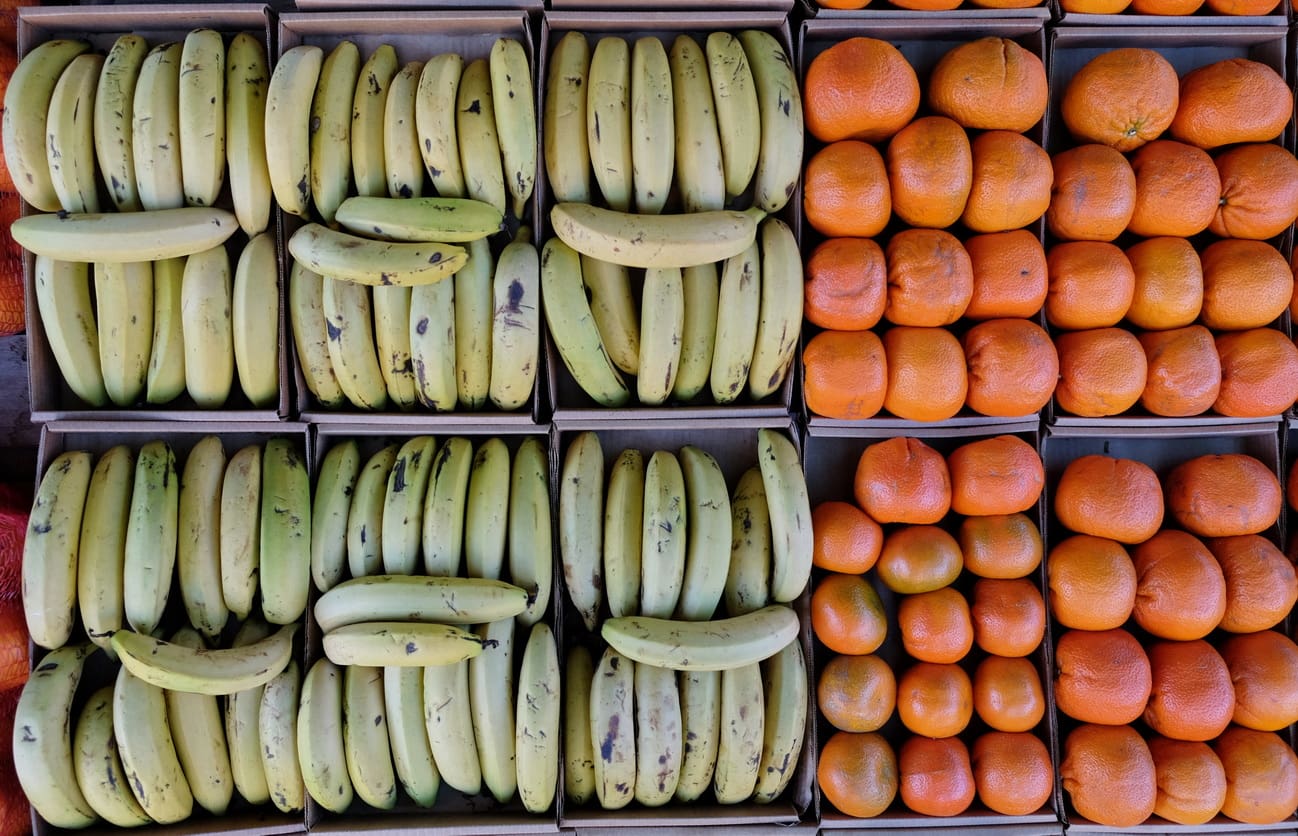
South Africa’s citrus sector has secured a major trade breakthrough with India in an agreement that could create another export avenue for SMEs and small citrus growers.
Smaller producers often rely on established exporters, packhouses and logistics providers to get their fruit into international markets.
Greater demand from India could therefore create opportunities further down the agricultural value chain, including for independent packhouses, cold-chain operators, freight companies and other businesses involved in export logistics.
The development could also help growers diversify their customer base rather than relying heavily on traditional markets.
However, the costs associated with international shipping, compliance, packaging and tariffs mean that smaller producers may still face barriers to entering the market directly.
The ability to access India at commercially competitive rates will therefore depend on the outcome of future tariff negotiations and the industry’s ability to build efficient supply chains into the market.
“This is not only good news, but also indicates how advanced technology enables our farmers to push barriers to have other countries enjoy our high-quality produce,” Minister of Agriculture Willie Aucamp noted.
For South Africa’s citrus industry, the agreement represents an important first step towards expanding its footprint in India. The next challenge will be ensuring that the technical breakthrough translates into commercially viable opportunities for growers and the businesses supporting them.
Indian agricultural authorities have approved expanded cold-treatment options for managing fruit-fly risks, giving South African exporters greater logistical flexibility when shipping citrus to the Indian market.
The announcement by the Department of Agriculture and the Citrus Growers’ Association of Southern Africa (CGA) marks an important step for local producers seeking to diversify their export markets.
Europe remains a major destination for South African citrus, but producers have faced increasing compliance requirements and operational challenges linked to pest regulations.
India, with a population of more than 1.4 billion people and a growing consumer market, presents an opportunity for South African citrus exporters to expand their presence in Asia. South Africa’s counter-seasonal production also creates an opportunity to supply Indian consumers during periods when domestic citrus availability is lower.
However, improved technical access does not automatically translate into easier or more profitable trade for South African growers.
High tariffs still threaten SA citrus deal gains
The approval of additional phytosanitary cold-treatment protocols removes one of the technical hurdles that has complicated citrus exports to India.
The commercial environment remains challenging, however, with South African citrus facing Most-Favoured-Nation import tariffs of between 25% and 30%.
The tariffs place South African exporters at a disadvantage against competitors such as Australia and Chile, which have secured more favourable trading conditions with India.
For smaller growers and export-focused agricultural SMMEs, the difference between technical market access and commercially viable access is significant. Growers still need to absorb production, packing, cold-chain, transport and shipping costs before accounting for the import tariff charged when the fruit enters India.
CGA Chief Executive Officer Dr Boitshoko Ntshabele welcomed the technical agreement but said the focus must now move towards improving the commercial conditions under which South African citrus enters India.
“This demonstrates the importance of sustained public-private partnership in improving technical conditions for accessing markets,” Ntshabele stated. “Attention should now shift towards improving the commercial conditions under which South African citrus enters the Indian market.”
Ntshabele added that the industry would continue working with the Department of Trade, Industry and Competition to address the tariff barriers affecting South African citrus.