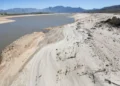








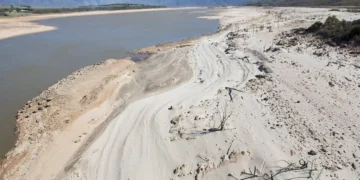





























The effects of extreme heat and drought, conditions associated with El Niño-related climate variability, have made crop production increasingly difficult for small-scale farmers.
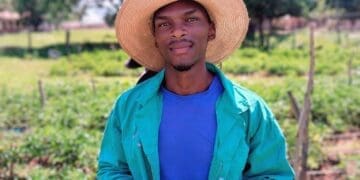
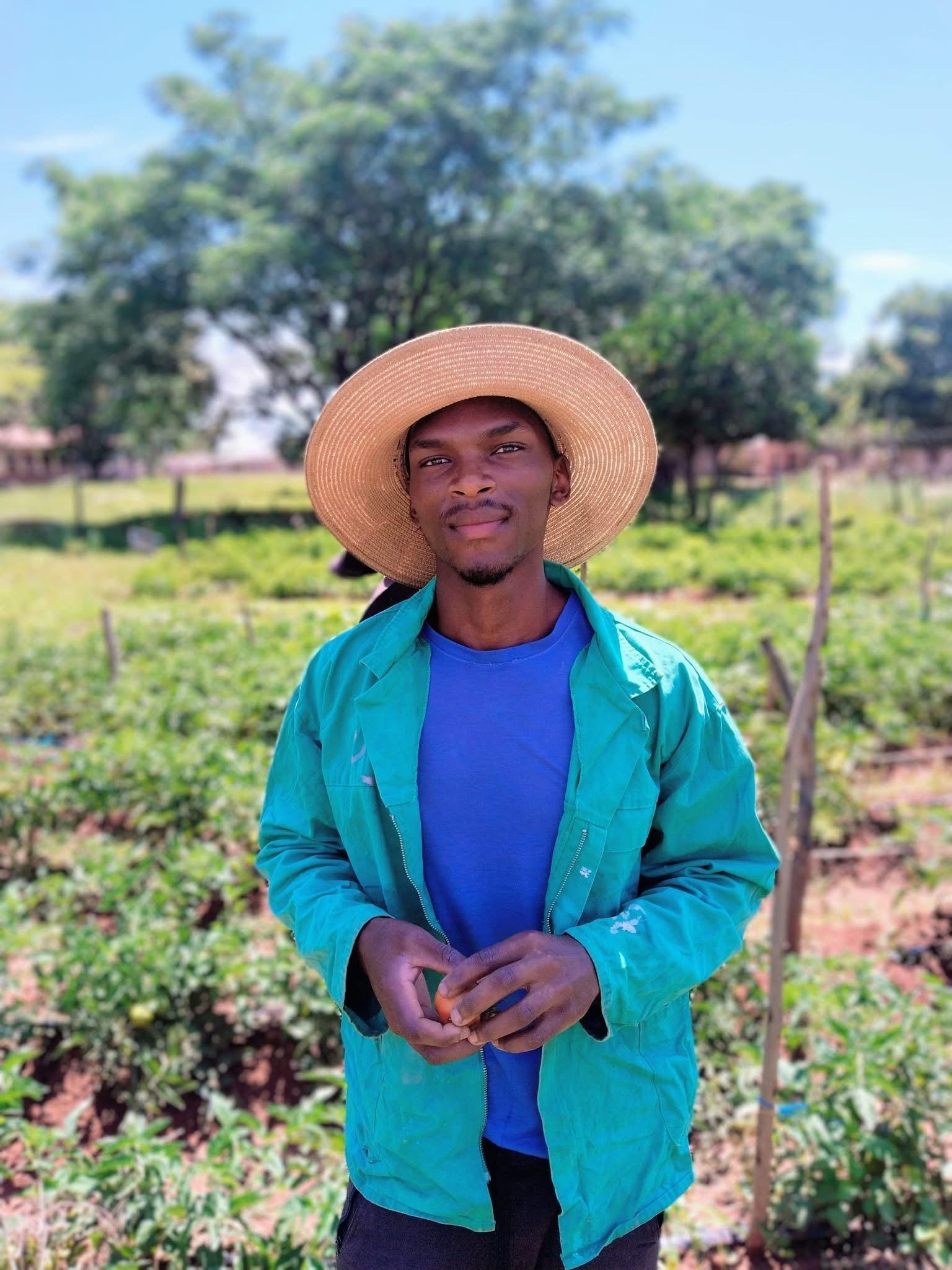
Operating an outdoor farming business without the protection of a greenhouse has exposed farmers like Musa Sibanyoni, 23, to the harsh realities of changing weather patterns.
Sibanyoni said excessive heat could damage his tomatoes through sunburn, leaving him with produce that cannot be sold. Newly transplanted seedlings also struggle to survive because of transplantation shock during heatwaves.
“When tomatoes get sunburnt, it means I cannot sell them, and that is already a loss. Sometimes newly transplanted seedlings do not make it because of the extreme heat,” he said.
Sibanyoni from Kwaggafontein near KwaMhlanga in Gauteng, started his small-scale farming journey in 2023 while he was still in matric.
At a time when unpredictable weather conditions put pressure on agricultural production, Sibanyoni refuses to let climate challenges stand in the way of his farming ambitions.
He currently cultivates tomatoes on a 50m by 50m communal plot and chillies on a separate 30m by 30m piece of land.
His primary customers are street vendors and spaza shops, particularly those looking for quality tomatoes. To grow his customer base, Sibanyoni takes a hands-on approach by visiting potential buyers and showcasing his produce.
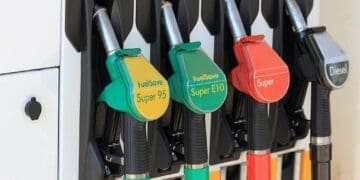
Beyond climate-related challenges, rising fuel prices have also affected his ability to transport produce to potential markets. He said expensive transportation limited his opportunities to supply customers beyond his immediate area.
Theft has presented another challenge, while inconsistent production can threaten the relationships he has worked hard to build with customers. He said when crops are damaged and he cannot fulfil orders, customers may lose confidence in his business and question his commitment to supplying them.
Despite these setbacks, Sibanyoni believes that access to financial support and agricultural resources could help young farmers build sustainable businesses.
He said emerging farmers need funding to purchase essential inputs such as shade nets, farming equipment and fertilisers. He also highlighted the importance of market access, pointing out that producing quality crops meant little if farmers had nowhere to sell them.
Looking ahead, Sibanyoni hopes to expand beyond communal farming and acquire his own agricultural land, where he can produce both crops and livestock on a larger scale. He also wants to create employment opportunities and eventually supply major retail stores.