















































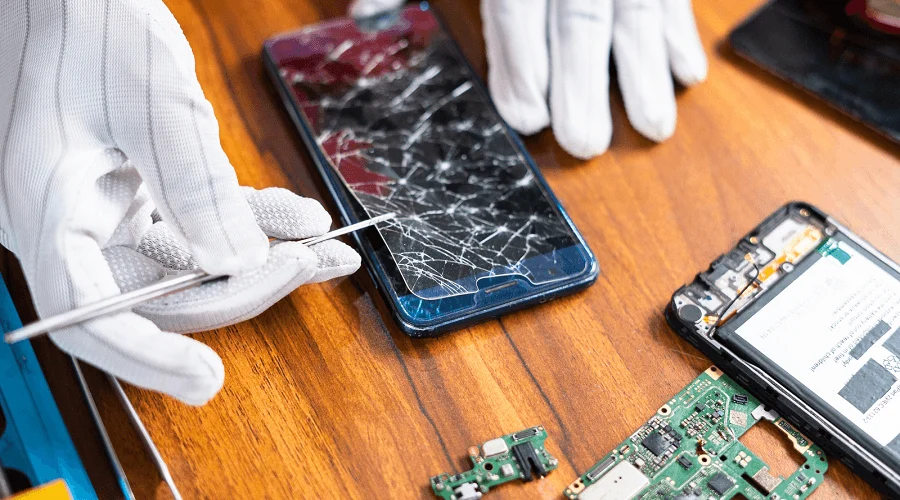
When a phone screen cracks, the repair shop you choose may depend on more than price and technical skill. For independent repair businesses, access to the right parts, diagnostic tools and manufacturer information can determine whether they can take on the job at all.
That could change under new Competition Commission guidelines aimed at opening South Africa’s repair, service and maintenance markets to greater competition.
The Commission published its final Guidelines on Repair, Service and Maintenance Aftermarkets this week, covering products including mobile phones, tablets, gaming consoles, televisions, household appliances, medical devices and backup water and electricity systems.
Access is the business problem
For small repair businesses, the issue is not whether technicians know how to repair a product. It is whether they can obtain what they need to complete the repair.
Jason Aproskie, principal economist at the Competition Commission, said the regulator wants independent repairers to access the information, tools and spare parts needed to compete.
“We have found at least informally some of the practices that would concern us,” Aproskie said.
The Commission has received complaints about manufacturers making it difficult for independent repair businesses to operate, including complaints involving mobile phones and a matter in the medical-device sector.
The guidelines identify restrictions involving spare parts, repair information, diagnostic tools and software as potential competition concerns.
For an SME, this can mean having the skills and customer but being unable to complete a repair because the required component or diagnostic system is controlled by the manufacturer.
The Commission has also said manufacturers should not prescribe minimum retail prices for spare parts, related software and tools, or repair and maintenance services.
A bigger opportunity for SMMEs
The repair industry believes the regulatory changes could create opportunities for South African businesses to participate more meaningfully in the technology value chain.
Loyiso Tyira, chairperson of the South African Mobile Devices Distributors and Repairers Association (SAMDDRA), said the right-to-repair discussion should extend beyond simply allowing technicians to fix devices.
“For me, this conversation goes beyond the Right to Repair. It is about the right to participate meaningfully in the technology economy,” Tyira said.
He said training technicians was only one part of building sustainable repair businesses.
“Training a technician is important, but training alone does not create a sustainable enterprise,” Tyira said, pointing to the need for genuine parts, diagnostic tools, OEM certification, finance, stock, distribution channels and markets.
SAMDDRA has called for greater collaboration between global OEMs and South African businesses, particularly to bring township and rural enterprises into formal technology value chains.
Tyira said the Commission’s intervention could help create an enabling regulatory environment, but argued that the next step would have to involve OEMs, government, regulators, SETAs, industry associations and local enterprises working together.
The association’s position is significant as South Africa has also been developing repair businesses through skills and enterprise programmes. In August, 25 young entrepreneurs in Sebokeng received fully equipped cellphone-repair business containers through a programme involving SAMDDRA and the Wholesale and Retail SETA.
The Competition Commission said greater competition could also support the growth of small repair businesses and the refurbished-products market.
Siyabulela Makunga, spokesperson for the Commission, said independent repairers could benefit from greater competition in the aftermarket.
“Fair competition among independent repair, service and maintenance providers can give consumers a wider choice of providers, better service and more affordable repairs,” Makunga said.
He said it could also “support the growth of small repair businesses, expand the market for refurbished products, encourage new repair solutions and ultimately lead to greater participation in the economy.”
The guidelines do not require manufacturers to provide unrestricted access to proprietary technology. The Commission recognises that some restrictions can be justified by intellectual-property protection, consumer safety, technical requirements or other laws.
The real test will be whether the new framework translates into practical access to the parts, information and tools small repair businesses need to compete.
The Commission has encouraged independent repairers to report conduct that prevents them from providing services or limits competition.