









































In Limpopo’s dust-kissed fields, green shoots and discarded leaves usually signal the end of a harvest. But for entrepreneur Edward Kgarose, 35, they marked a sweet new beginning.
By turning discarded produce into an unconventional, nutrient-dense sweet potato yoghurt, he is breathing fresh life into local agriculture, one spoonful at a time.
Kgarose from Ga-Lekgothoane, a village in the Polokwane Local Municipality in Limpopo, founded Kgarose Kgaros Pty Ltd, which manufactures yoghurt made from orange-fleshed sweet potatoes.
Kgarose said the idea for the business came after recognising that sweet potatoes were mostly consumed in traditional forms such as boiled or fried, despite their nutritional value and versatility.
“I wanted to create something innovative, healthy and affordable that everyone can enjoy,” he said.
He said he also saw an opportunity to address post-harvest waste while creating a market for local farmers who produce sweet potatoes.
Kgarose uses orange-fleshed sweet potatoes, which he said are naturally sweet, creamy and rich in vitamin A.
The business sources the crop directly from smallholder farmers in Ga-Molepo district and Polokwane.
He said the health benefits of sweet potatoes were another major motivation behind the product.
The crop is high in fibre, vitamins and antioxidants, making it an attractive ingredient for consumers who are increasingly interested in healthier food choices.
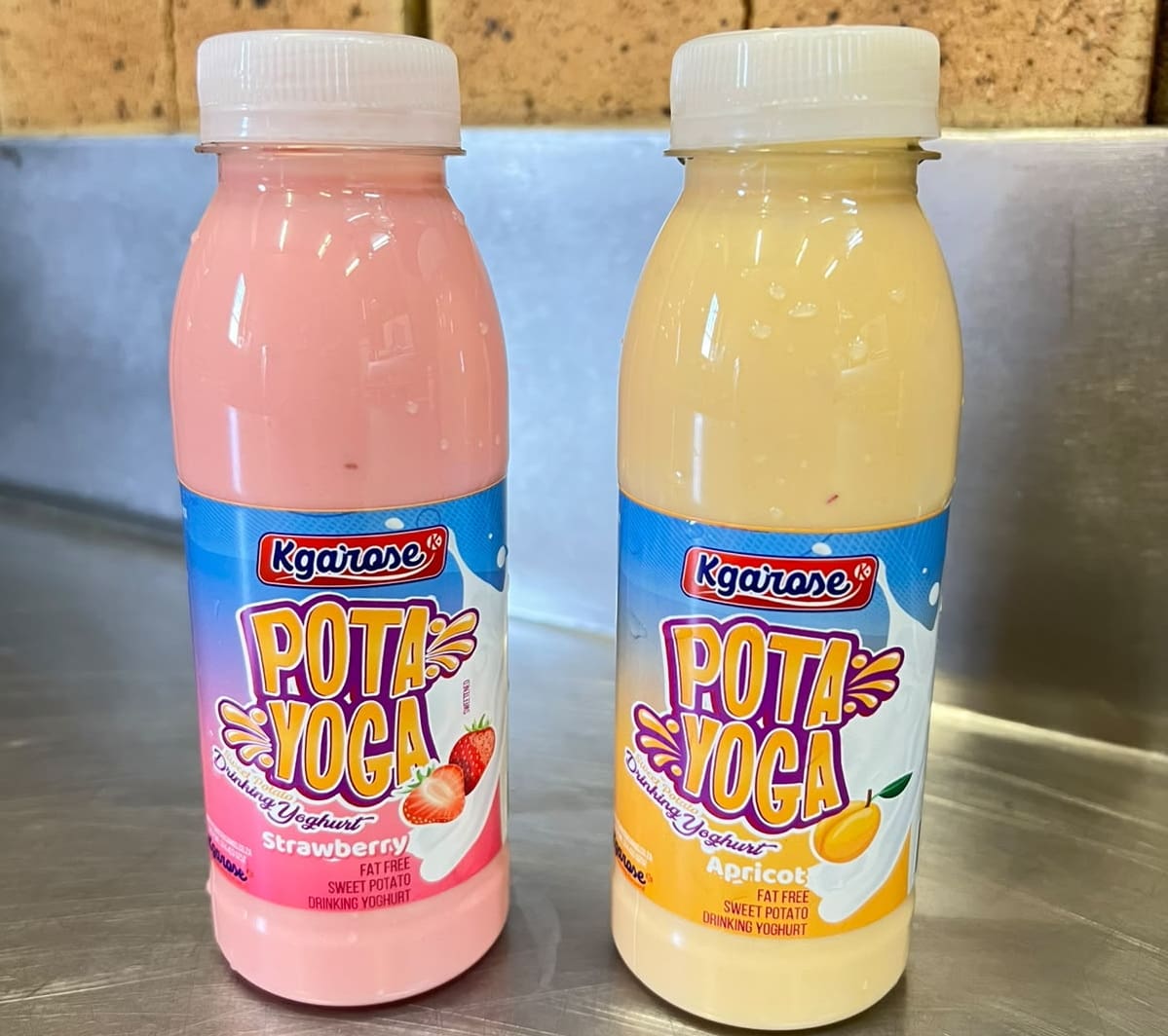
“I saw a gap in the market for affordable, healthy and different yoghurt, especially for health-conscious consumers looking for new flavours beyond the usual dairy yoghurt,” said Kgarose.
The business currently offers two flavours, strawberry and apricot.
Kgarose said the flavours were selected because they are popular among customers, particularly children and young people, and complement the natural sweetness of sweet potatoes. He said what sets them apart is that they are made from real sweet potatoes rather than relying solely on artificial flavouring or colourants.
The product is positioned as an affordable and nutritious alternative while also promoting indigenous crops and supporting farmers in Limpopo.
How Kgarose overcame challenges
Kgarose identified access to suitable processing equipment, cold-chain storage and retail shelf space among the biggest obstacles.
He also had to educate consumers about a product that was unfamiliar to many.
To overcome these challenges, he started small, using available resources and relying on social media, local markets and free product tastings to introduce consumers to the yoghurt.

The business began in Kgarose’s kitchen, where he produced small batches for family and friends. It has since grown to supply local shops and customers in Polokwane and Ga Molepo.
Customers can purchase the product through WhatsApp orders, local markets and at community events.
Kgarose Kgaros currently has four full-time employees, including Kgarose, while casual workers assist during production and market days.
As the business expands, Kgarose hopes to create more permanent employment opportunities, particularly for young people in his community.
He believes sweet potatoes offer significant opportunities beyond fresh produce, with potential for entrepreneurs to develop products such as yoghurt, bread, chips, flour and juice.
“Small businesses can make yoghurt, bread, chips, flour and juice from them. This creates jobs, reduces poverty, and gives farmers a stable market,” he said.
Kgarose’s advice to aspiring food entrepreneurs is to start with what they have, test their products and remain consistent with quality.
He also encouraged entrepreneurs to learn about food safety and business management, listen to customers and remain patient while building their businesses.