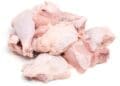






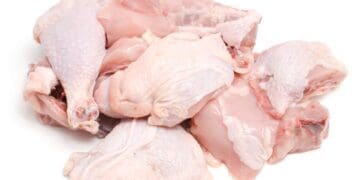





































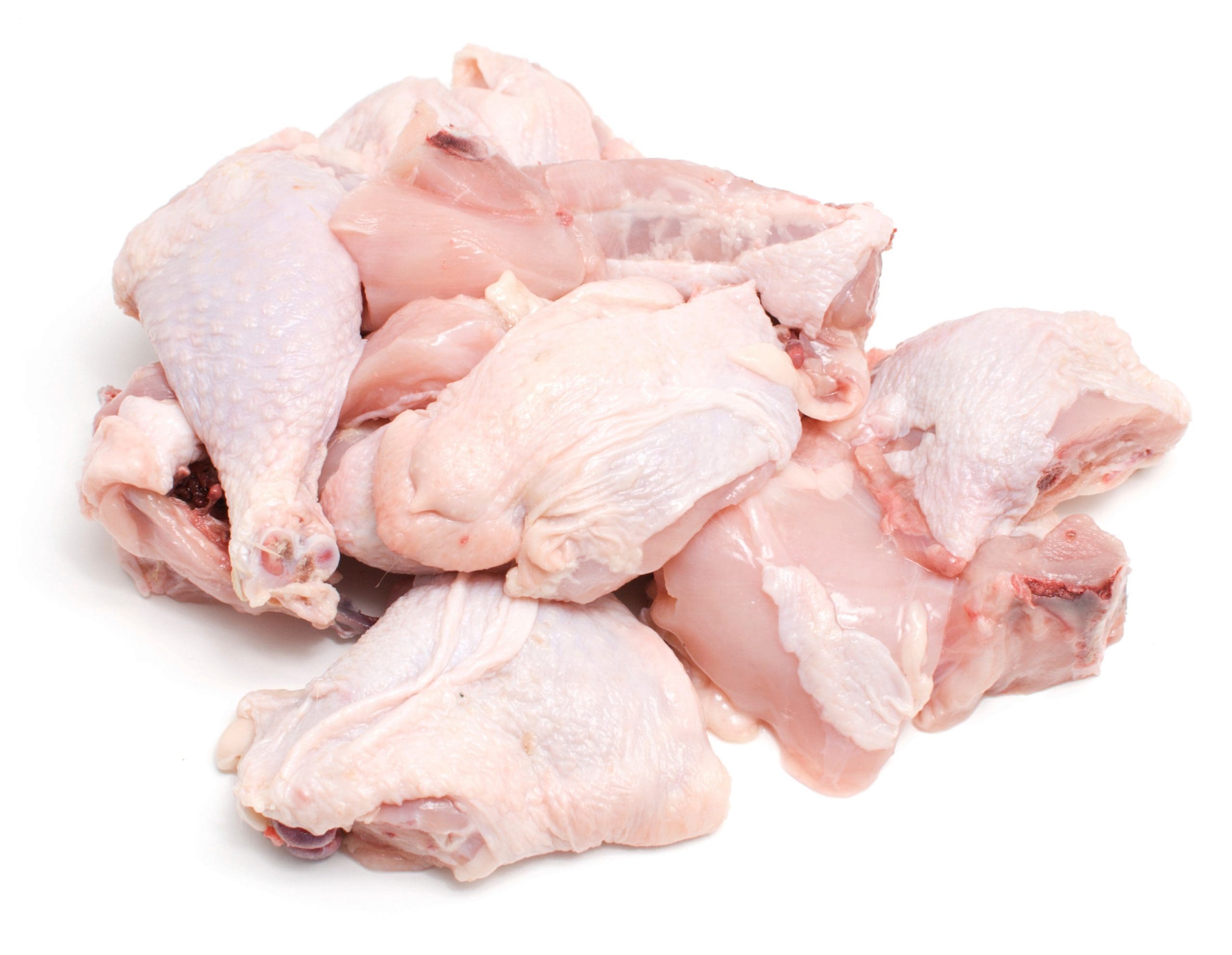
Small takeaways, chicken shops and other food businesses could face higher costs if South Africa increases duties on imported chicken. The International Trade Administration Commission (ITAC) is reviewing anti-dumping duties on frozen, bone-in chicken portions from Germany, the Netherlands and the United Kingdom.
The Association of Meat Importers and Exporters (AMIE) wants the duties to expire, while the South African Poultry Association (SAPA) wants them extended for another five years and significantly increased.
Paul Matthew, AMIE’s CEO, said South Africa needs both local producers and imports to keep chicken supplies reliable and affordable.
“South Africa needs a strong, competitive and growing domestic poultry industry. It also needs responsible imports to supplement local production, strengthen food security and provide consumers with choice,” he said.
Importers warn of higher costs
Small food businesses depend on affordable chicken supplies to keep their prices competitive. If import duties increase the cost of imported products, suppliers could charge more, leaving business owners to absorb the increase or raise meal prices.
Kherina Narotam, a trade attorney at Commodity Trade Observer, which prepared AMIE’s submission, warned that extending and increasing the duties could reduce competition.
“To simply extend a duty and also to increase it in the face of little or no evidence of dumping and injury will have a negative competitive impact. To put it simply, fewer competitors equals higher prices,” Narotam said.
Chicken accounts for about 60% of meat consumed in South Africa. Research by the South African Reserve Bank, cited in AMIE’s submission, estimated that tariffs, anti-dumping duties and safeguard measures increased frozen chicken prices by 16.2% between 2012 and 2021 compared with what prices would otherwise have been.
The research also found that higher food prices placed a greater burden on poorer households.
Matthew said trade protection should be based on clear evidence, especially when it could affect the price of an important food staple.
Local producers want stronger protection
SAPA has asked Itac to increase the duties, citing proposed dumping margins of 425.64% for Germany, 32.48% for the Netherlands and 61.84% for the UK. These figures refer to dumping margins, not expected increases in shop prices.
AMIE disputes the calculations, arguing that some comparisons do not accurately reflect the products being investigated. It says that, in Germany’s case, removing products that fall outside the original investigation’s scope would reduce the calculated dumping margin by more than half.
AMIE also argues that local poultry producers have become more competitive. It points to improved financial results at Rainbow Chicken and Astral, including Astral’s 348% increase in operating profit to R1.2 billion for the six months to March 2026.
The association says this performance should be considered when deciding whether local producers still need the duties.
ITAC to decide on extension
The duties were first introduced in 2015/16 and extended in 2021. Itac’s review will determine whether they should expire or remain in place.
If the duties expire, local producers could face stronger competition from imported chicken. If they increase, businesses using imported supplies could face higher costs.
Matthew said the decision should balance the needs of local producers and consumers.
“South Africa needs domestic producers to thrive, it needs secure and diverse sources of supply, and it needs chicken to remain affordable for consumers,” he said.
Itac will consider submissions before issuing a preliminary report, followed by further responses from interested parties before a final decision.