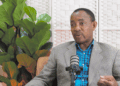
































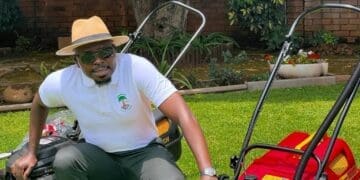




A childhood experience of being forced to miss school after his shoe came off during a playful chase has inspired Tshililo Ramurembiwa to build a school shoe manufacturing business focused on quality, durability and reliability.
Ramurembiwa, 46, is the founder of Sgelar Shoes, a premium school shoe brand established in 2025 and manufactured in Wynberg, Johannesburg.
The company sources its materials locally and manufactures its products in Johannesburg.
The business can produce more than 30 pairs of shoes a day and employs a small team, with some workers engaged temporarily.
Originally from Madombidzha village in Limpopo, Ramurembiwa previously worked in corporate accounting before leaving his salaried career to establish the business.
He said the inspiration behind Sgelar Shoes dates back to her Grade 10 years, when a friend accidentally stepped on his shoe, causing it to come off while he was running. His family could not immediately afford a replacement, forcing him to stay home for four days.
“I never forgot that feeling. That’s why I said one day I must make proper school shoes that won’t let our kids down,” he said.
The business specialises in manufacturing school shoes for boys and girls using genuine leather sourced locally in South Africa.
Its products are designed to meet school requirements while providing comfort and durability for learners who walk long distances.
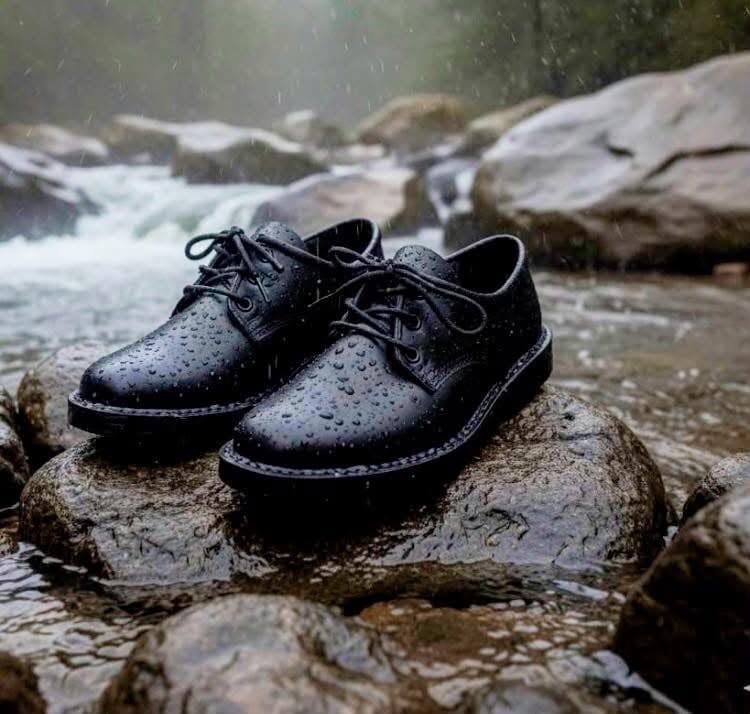
Ramurembiwa said one of the company’s main selling points is the use of genuine leather rather than plastic materials commonly found in cheaper alternatives.
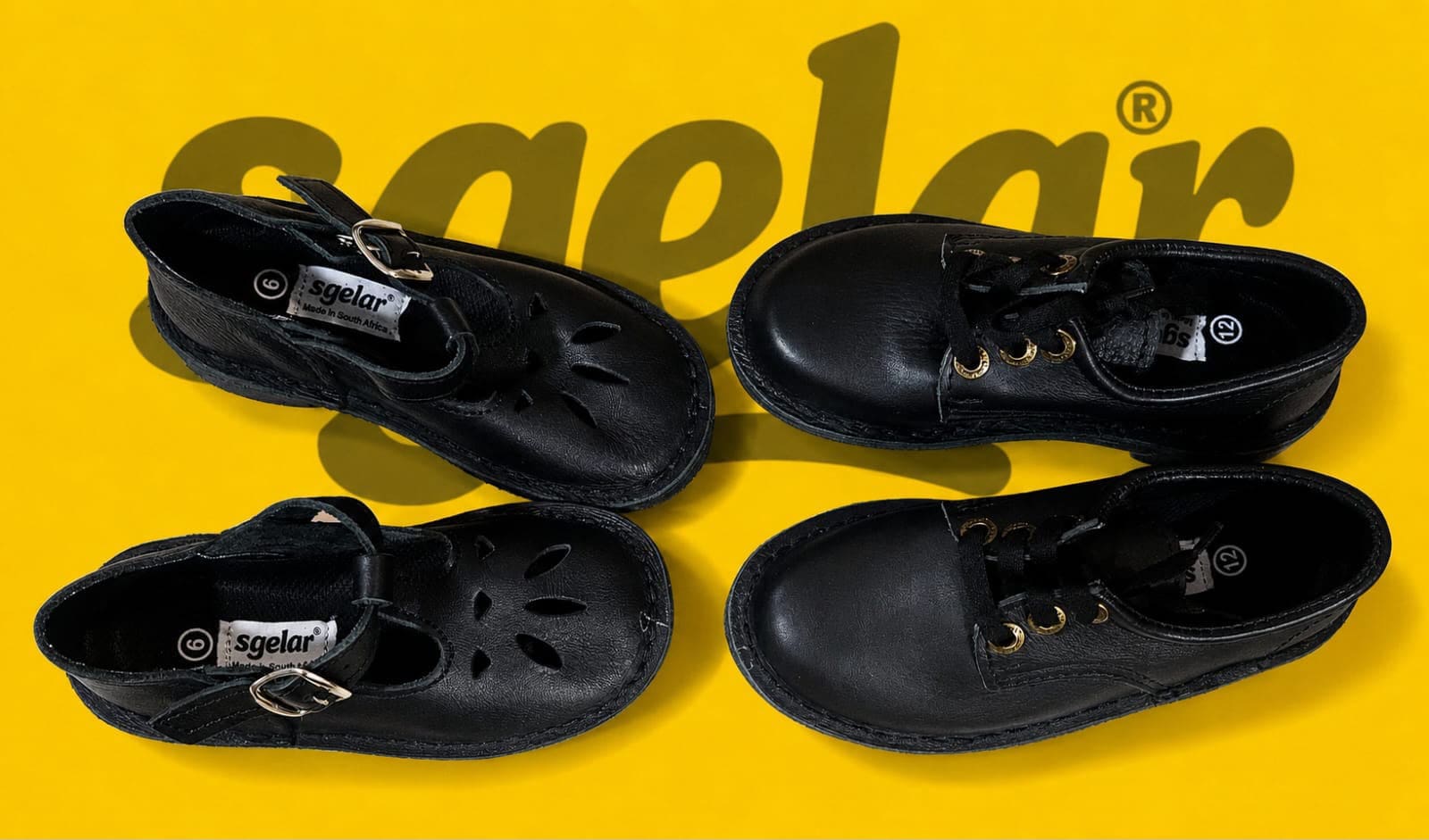
“You buy once, not three times a year. And we try to keep the price fair for our parents,” he added.
However, establishing a manufacturing operation has not been without challenges.
Ramurembiwa said leaving the security of a corporate salary to establish a factory was a significant financial risk.
Sourcing suitable materials, acquiring the right machinery and persuading consumers to invest in higher-quality shoes have also presented difficulties.
He said competition from inexpensive imported school shoes remains one of the biggest obstacles facing the business, particularly when parents are under financial pressure.
He said that some consumers only recognise the difference in quality after cheaper shoes begin to wear out.
Rising production costs, limited access to funding and difficulties securing space in larger retail markets have added to the pressure on the emerging black-owned manufacturer.
To manage costs, Sgelar Shoes currently sells mainly through its online store, allowing it to avoid the high rental expenses associated with operating a physical retail outlet.
Ramurembiwa said local sourcing and manufacturing are central to the company’s ambition to contribute to job creation and keep more economic value within South Africa.
As the year-end back-to-school shopping period approaches, the manufacturer prepares by increasing production and building stock ahead of December.
Its local production model also allows it to respond to demand without relying on international shipping schedules.
Beyond commercial growth, Sgelar Shoes has donated more than 800 pairs of school shoes to schools in the Makhado municipality.
Looking ahead, Ramurembiwa plans to open the company’s first physical store, increase production capacity, secure more school supply opportunities and create permanent jobs.
His long-term ambition is to establish pop-up stores in busy townships across South Africa, bringing locally manufactured school shoes closer to the communities that need them.