




































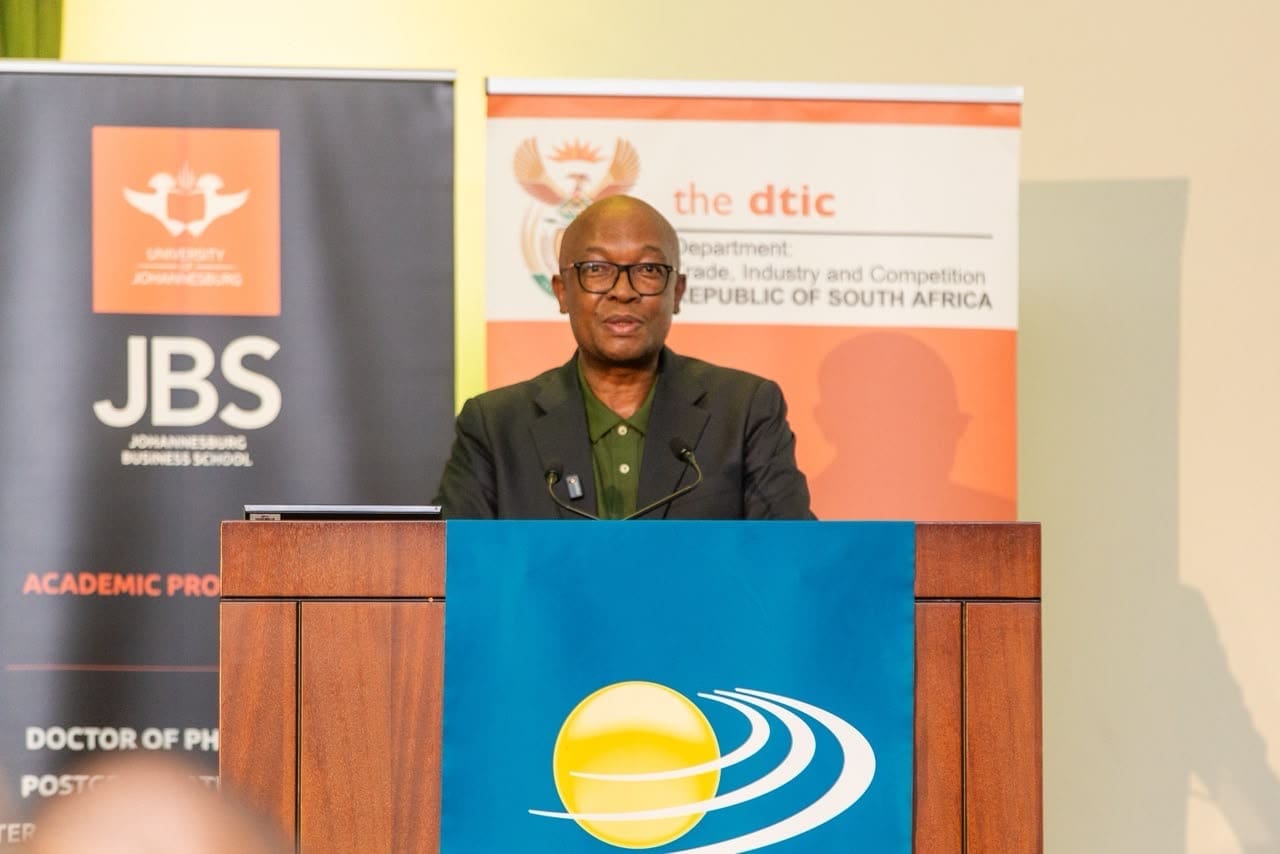
South Africa’s next phase of Broad-Based Black Economic Empowerment (B-BBEE) must move beyond compliance with transformation requirements and deliver meaningful ownership, economic control and sustainable businesses, says Minister of Trade, Industry and Competition Parks Tau.
The government is reviewing the B-BBEE framework to ensure that the policy produces tangible economic outcomes, with greater emphasis on black-owned businesses participating in manufacturing, supplying goods and services, and exporting.
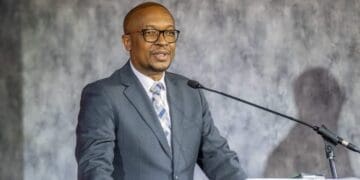
Speaking at the two-day Practice and Policy Conference on B-BBEE in Johannesburg on Monday, 23 November, Tau said the first phase of the policy had established transformation in legislation, scorecards and corporate boardrooms. However, he said the next phase needed to translate this foundation into greater participation in the productive economy.
“Our direction is clear. We are moving from compliance to outcomes. From transactions to industrialisation. From those who hold a certificate to those who own productive assets, who manufacture, who supply and export,” said Tau.
From compliance to economic control
Tau said the next chapter of B-BBEE should focus on businesses that have actual control over productive assets and can participate meaningfully in the economy.
The Department of Trade, Industry and Competition’s report, South Africa’s Transformation Landscape (2013–2023), provides a decade-long assessment of progress in ownership, enterprise and supplier development, and skills empowerment.
The report identifies progress in these areas but also highlights persistent gaps in management control, gender representation and sectoral performance. It points to uneven compliance, fragmented data and slow structural transformation as challenges affecting B-BBEE.
Former Statistician-General Dr Pali Lehohla also called for a broader approach to economic transformation, arguing that structural inequality, weak local production and concentrated economic power limit participation.
He highlighted agriculture as an opportunity to strengthen local supply chains, create jobs and retain more economic value within communities.
SMME financing remains a challenge
The sustainability of black-owned businesses also depends on their ability to access finance and grow.
According to the OECD’s Financing SMEs and Entrepreneurs 2026 report, only 8% to 20% of South African micro, small and medium-sized enterprises receive financing in their business capacity. The sector faces an estimated R350 billion financing gap.
The importance of growing these businesses was also highlighted by Competition Commission representative James Hodge, who presented findings from the commission’s Concentration Tracker Report, published in May 2026.
“MSMEs account for 44% of employment and are twice as employment-intensive as large firms. However, their ability to scale and increase their participation in the economy remains constrained”, Hodge said.
Government rejects retreat from transformation
Tau’s remarks come amid international pressure over South Africa’s empowerment policies.
He referred to the February 2025 executive order issued by the United States against South Africa and demands made by Washington in March 2026, including an end to what it described as the mandatory surrender of ownership or control as a cost of doing business.
He also pointed to legal challenges against Employment Equity targets, which were taken to the High Court, Supreme Court of Appeal and Constitutional Court.
Despite these developments, Tau said government would not compromise transformation in exchange for trade concessions.
“We will not trade transformation for tariff relief. We believe that this policy is rooted in our Constitution and our Human Rights policies as a country,” he said.
A policy brief outlining the conference outcomes is expected to reach the dtic and the Presidency within 30 days, with full proceedings due within 60 days. An edited academic volume is expected in 2027.
Tau said the review was a commitment made by President Cyril Ramaphosa and was intended to strengthen the policy rather than reverse it.
“The B-BBEE review is how we defend transformation, not how we retreat from it,” he said.