










































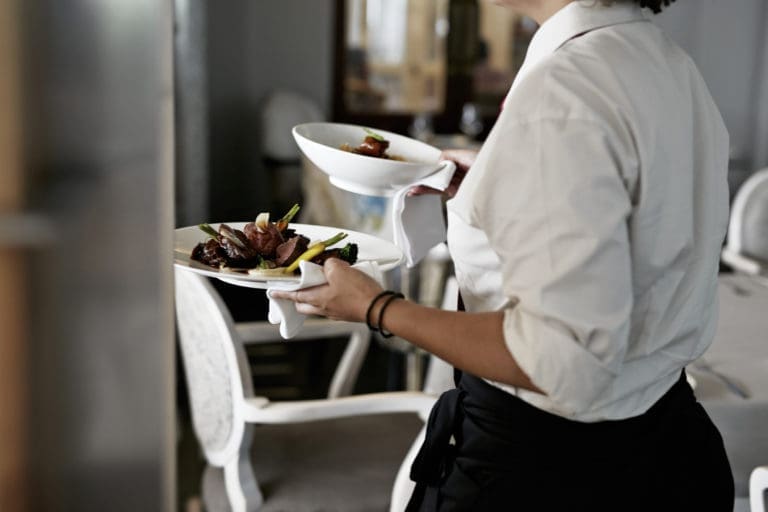
Restaurants are being warned against automatically adding 10% service charges to customers’ bills after the National Consumer Tribunal ruled that the practice was unlawful, with the consumer watchdog planning nationwide inspections.
The ruling against Pretoria restaurant TriBeCa Standard affects hospitality businesses that automatically add service charges to customers’ bills while expecting customers to request removal if they do not wish to pay.
The restaurant described the charge as discretionary on its menu. However, customers who were unhappy with the service had to approach management and specifically ask for the charge to be removed.
The National Consumer Commission (NCC), which investigated the restaurant following a tip-off, found that approximately 200 service-charge transactions were processed daily, suggesting the practice was systemic.
The Tribunal found that the restaurant contravened the Consumer Protection Act (CPA), which prohibits businesses from charging customers more than the displayed price for goods or services.
Customers must choose whether to tip
The Tribunal found that the restaurant’s menu did not specify the additional services being charged for or display the full price customers were expected to pay.
It also found that requiring customers to challenge the charge when they were unhappy with the service was unfair because it indirectly required them to waive their right to quality service.
The Tribunal said restaurants may accept tips, but customers must freely decide whether to leave one and how much to pay.
“A genuinely voluntary gratuity is one that the consumer freely elects to pay. It is not an amount automatically added to a bill and removed only if the consumer challenges it,” the Tribunal said.
“In this case, the service charge was not genuinely voluntary, and reflecting it on the invoice did not remedy the failure to include the additional charge for specific services in the full price.”
Consumer rights expert Wendy Knowler said the ruling was important for customers who are accustomed to looking at the final amount on their bills before deciding whether to tip.
“A lot of people just are used to looking for the bottom figure and then adding their tip onto that,” she said.
Knowler said Section 23 of the CPA protects consumers from being charged more than the displayed price.
“Paying for service has always got to be voluntary and not mandatory,” she said.
Restaurants face nationwide inspections
NCC acting commissioner Hardin Ratshisusu warned restaurants against adding undisclosed charges not reflected in their menu prices.
“This is a significant judgment and should deter other restaurants from the practice,” Ratshisusu said.
“Restaurants are reminded that adding undisclosed charges not reflected on the menu prices contravenes the CPA. The NCC will be embarking on nationwide inspections targeted at restaurants to ensure that consumers who might be subjected to this practice are protected.”
The Tribunal declared the restaurant’s conduct prohibited. Although the NCC had sought a R1 million administrative fine, the Tribunal did not impose a fine or costs order.
The ruling does not prohibit restaurants from accepting tips or charging for additional services. However, businesses must ensure customers are informed of the full price and that gratuities remain voluntary.
For small restaurants, the ruling means reviewing menus, billing systems and payment procedures to ensure customers are not automatically charged fees they did not agree to.
The planned inspections could also bring increased scrutiny to hospitality businesses that continue applying automatic service charges.
Customers who find an automatic tip on their bill can question the charge if they did not agree to pay it.