











































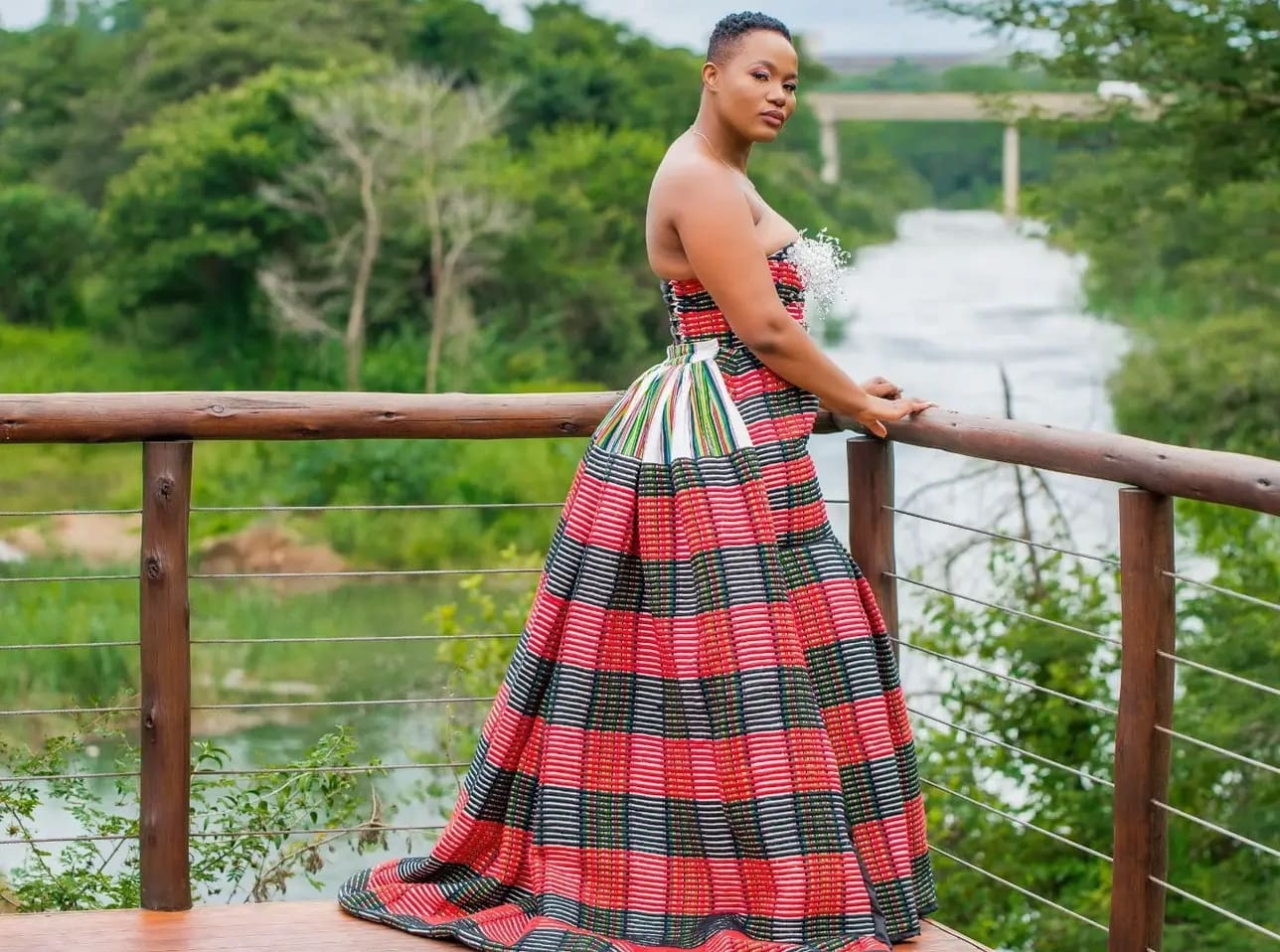
Heritage Month may be a time for national celebration of culture, but for small fashion businesses in Limpopo, September brings an intense trading boom.
Traditional clothing, accessories and modernised cultural designs are in demand as people prepare for Heritage Month functions, weddings, matric events, and other celebrations.
That demand has made September one of the busiest periods of the year for Murabeli Randima, founder of Murabella Designs in Thohoyandou.
Her business comes at a time when South Africa is placing renewed emphasis on living heritage, with the 2026 Heritage Month theme, Celebrating Our Living Heritage: Strengthening the Ties That Bind Us.
The theme recognises craftsmanship, indigenous knowledge, language, music, dance and customary practices as part of the country’s living heritage.
With an honours degree in fashion design and technology, Randima specialises in modern Tshivenda designs, including the Venda-inspired Nyanenge dress and traditional shirts promoted for Heritage Month.
She said demand for traditional-inspired clothing has been high this September, with customers placing orders for different events taking place around Venda.
“I have to sleep at my office because I have to make sure that I meet the deadlines for my customers,” Randima said.
Around Heritage Day itself, weddings, cultural celebrations and other events create additional demand for traditional clothing.
Randima said the demand has kept her working late to complete garments and ensure customers receive their orders on time.
Her business is part of a wider market in which cultural clothing is being adapted for contemporary consumers rather than being limited to ceremonial use.
Accessories and shoes join the market
The same market is creating opportunities for businesses selling products that complement traditional outfits.
Tshivenda accessories entrepreneur Vusani Tshifhango makes makunda, traditional bangles, and malungu, necklaces worn with cultural attire.
She said customer demand started increasing from the second week of September.
“Business has been very great for me since mid-September because people are buying items for work events, church and lobolo celebrations. I have customers, and I’m very happy”, Tshifhango said.
At Thohoyandou East Gate Flea Market, Hulisani Mukwevho of Hulisani Memories designs modernised traditional shoes, with prices starting at R250.
Heritage beyond clothing
The commercial opportunity extends beyond traditional attire.
Limpopo-based Ox-Tailor Designs founder Evelyn Tebogo Moselakgomo started her business in 2022 with a basic sewing machine after teaching herself how to sew. The business has since grown into a clothing manufacturing operation employing four people.
“When I decided to give fashion a shot, I started small with a basic sewing machine and taught myself from scratch,” Moselakgomo said.
Moselakgomo also highlighted the pressures facing small fashion businesses, including competition from other designers, cheap imports, fluctuating demand and the cost of quality materials.

She said fashion businesses can create employment while promoting local talent and preserving cultural heritage.
“Fashion-aligned businesses are vital in South Africa because they create jobs across multiple skill levels, empower youth, and promote local talent while preserving cultural heritage,” she said.
Other entrepreneurs are using cultural craftsmanship in products beyond clothing.
Pretoria-based SereMhani Creations founder Mulayo Serakoana produces beaded coasters, placemats, jewellery and fine art.
“Each piece is intentionally designed to bridge tradition and modern living, transforming everyday objects into expressions of identity and heritage,” Serakoana said.
A wider creative economy
The businesses form part of a broader creative economy that contributes billions to South Africa’s economy.
Research from the South African Cultural Observatory estimates that the cultural, creative and sports industries contributed R271.2 billion to GDP in 2023, equivalent to about 3.9% of the economy, while supporting approximately 1.4 million jobs.
Heritage also intersects with tourism, as cultural experiences can create spending opportunities for local businesses and communities.

Photo: Lucas Ledwaba/Mukurukuru Media
Deputy President Paul Mashatile has also described heritage as an economic sector, saying it can “support local enterprises and create jobs for fashion designers, conservators, and entrepreneurs”.
For entrepreneurs, heritage is a source of business, turning cultural identity into products that can be designed, produced and sold.
As September reaches its busiest point, she remains focused on meeting customer deadlines.
“I have to make sure that I meet the deadlines for my customers,” Randima said.