














































Small businesses are facing renewed financial pressure after annual headline inflation climbed to 4% in April 2026, up from 3.1% in March, driven largely by soaring fuel prices.
According to Statistics South Africa (Stats SA), the Consumer Price Index (CPI) rose by 1.1% month-on-month, with the fuel price index increasing by 18.2% between March and April. This is the sharpest monthly increase since the current CPI series began in 2008.
The fuel-driven inflation spike is expected to place additional strain on small businesses already battling rising operating costs, subdued consumer spending and tight cash flow conditions.
Fuel costs ripple through the economy
Higher fuel prices are already filtering through to transport and logistics costs, affecting both businesses and consumers.
Standard Bank Head of South Africa Macroeconomic Research, Dr Elna Moolman, warned that the Reserve Bank would be monitoring whether the fuel shock leads to broader inflationary pressure across the economy.
“The Reserve Bank will naturally be concerned that the spike in fuel will ultimately spur broader or second-round inflation pressure, but it is too soon to assess this in this particular data set, as such pressures typically take time to develop,” she said.
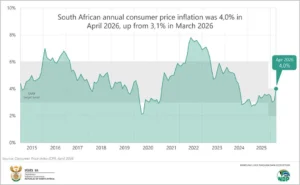
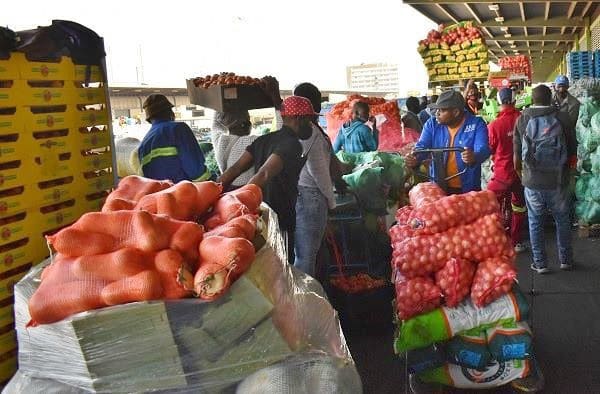
Photo: Statistics SA
Moolman noted that transport-related costs are already rising across several sectors.
“We have already seen a notable increase in transport costs, ranging from taxi fares to e-hailing services to air fares to long-distance bus fares. These costs may very well increase further given the subsequent hikes in fuel prices.”
Interest rate concerns return
Economists say the latest inflation data could complicate expectations around interest rates, if inflationary pressure spreads beyond fuel and transport.
Moolman said the South African Reserve Bank (SARB) may ultimately consider increasing interest rates to contain inflation expectations.
“The Reserve Bank may hike interest rates in response to the rise underway in inflation, mainly to help ensure that it doesn’t fuel second-round inflation pressure.”
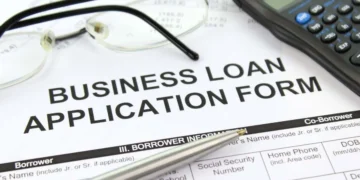
Higher interest rates increase borrowing costs for businesses and consumers.
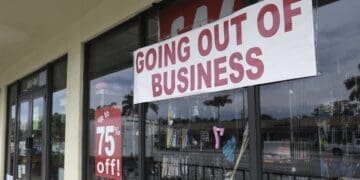
For SMEs, the inflation increase is expected to raise the cost of transport, deliveries, supplier goods and raw materials. This puts pressure on thin profit margins, especially for retailers, restaurants and informal traders.
Employee commuting expenses are also expected to rise as taxi fares, e-hailing prices and other transport costs increase in response to higher fuel prices. Small enterprises may under pressure for transport allowances or wage adjustments as workers struggle with rising travel costs.