















































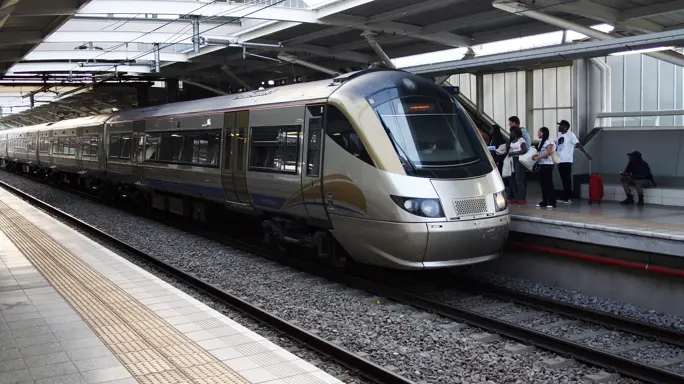
The introduction of a new e-hailing service by the Gautrain Management Agency is expected to intensify competition in Gauteng’s transport sector, with small operators warning of added pressure in an already strained market.
The planned service, called Gau Express, will allow commuters to book on-demand rides through the existing Gautrain app, linking passengers with drivers in real time. It will function in a similar way to platforms such as Uber and Bolt.
The system is aimed at improving first- and last-mile connectivity, allowing passengers to travel between Gautrain stations and their final destinations more easily, especially where feeder bus services are limited.
However, the announcement has already raised concerns among transport SMEs, taxi operators, and e-hailing drivers who say the market is already under pressure.
Transport operators flag growing competition concerns
Transport SMEs say the sector is highly competitive, with limited earning opportunities for both e-hailing drivers and taxi operators in key commuter areas.
Pretoria-based Uber driver Lerato Makhetha said drivers are already struggling due to low trip volumes and high competition.
“We are already competing for very few trips in some areas. If Gautrain brings another e-hailing service, it just means more drivers fighting for the same passengers. It will increase pressure on us,” he said.
Taxi operator Moses Mnguni, who operates in the Pretoria Central Bloedmall area, said traditional taxi businesses are also under strain from existing e-hailing platforms.
“We are already losing passengers to Uber and Bolt. Now if government enters the same space, it becomes even harder for small taxi owners to survive. We just want fair access to the market,” he said.
Taxi operators have previously raised concerns about declining passenger numbers linked to the growth of e-hailing services, with tensions also reported around pick-up and drop-off zones in some areas.
The introduction of a state-linked e-hailing service could increase pressure on taxi owners, independent drivers, and fleet-based SMEs who rely on daily commuter trips for income.
There are also questions about how the service will be structured, with drivers expected to operate through partner companies or fleet operators rather than being directly employed by the agency.
Some stakeholders have called for collaboration instead of competition, arguing that new mobility systems should include local operators rather than displacing them.
Transport analysts say the outcome will depend on whether the system expands overall transport demand or redistributes existing passengers among more operators.
GMA outlines transport integration goals
GMA spokesperson Albi Modise said the service is designed to strengthen integration within Gauteng’s public transport system and improve travel between different modes.
“The Gautrain Express Service will address these first- and last-mile gaps and ensure seamless travel to and from the Gautrain stations,” he said.
Gautrain CEO Tshepo Kgobe said the initiative will give commuters more flexible transport options, especially where feeder buses are unavailable or delayed.
“It’s about making sure that somebody who travels quite quickly on the Gautrain… doesn’t have to wait for scheduled bus or midi bus services,” he said.
He added that the service also aims to address tensions in the e-hailing sector around stations.
“The greater plan is also about us resolving the e-hailing violence that has occurred in and around our stations. If you look at the violence and altercations, it goes beyond sharing markets,” he said.
Kgobe said the issue is also economic, adding that existing taxi operators should not be excluded from the system.
“It’s about making sure that those who have operated in the system as taxi owners are given a better and fair opportunity, and are able to still feed their families,” he said.