
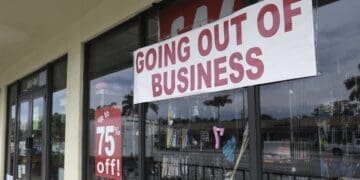











































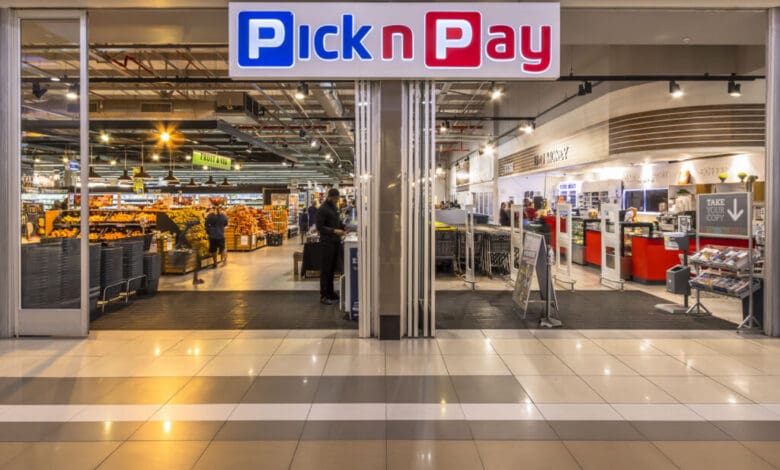
The Pick n Pay has closed 56 stores across South Africa saying it is part of a broader turnaround strategy aimed at restoring profitability after years of financial pressure in the retail sector.
Over the past three years, the group has also carried out a wider restructuring programme that has seen 117 stores closed, converted or restructured as part of its store reset strategy.
The closures include supermarkets, liquor stores, clothing outlets and hypermarkets.
A total of 29 liquor stores were also shut down, alongside several franchise locations, as the retailer continues to adjust its national footprint.
The company said the restructuring is necessary to stabilise the business, reduce losses, and improve long-term performance in an increasingly competitive grocery market.
Store reset programme reshapes retail footprint
Pick n Pay confirmed that its store reset programme, which focused on loss-making branches, has now been completed as part of its turnaround strategy.
The programme initially identified more than 110 underperforming stores for closure, conversion or franchising. Over time, this figure formed part of the broader 117-store restructuring total recorded over the past three years.
The group said the process has helped eliminate ongoing losses and improve the efficiency of its remaining store network.
With the reset programme now concluded, Pick n Pay said it will focus on optimising its existing stores, refurbishing selected branches, and expanding formats aligned with changing consumer behaviour and market conditions.
CEO says turnaround shows progress but labour restructuring continues
CEO Sean Summers said the company is now in a stronger position than it was two and a half years ago, despite continued pressure in the retail environment.
“Our store estate reset is effectively behind us, and we have achieved some of the key milestones we set ourselves in our strategy. The positive customer feedback that we are getting is really very encouraging,” Summers said.
He confirmed that the company will continue with its Section 189 consultation process aimed at reducing labour costs, saying the step is necessary for long-term sustainability.
Summers added that a R4.7 billion Boxer share placement completed in May 2026 has strengthened the company’s balance sheet and will support its recovery strategy going forward.
He also said the break-even target for the core Pick n Pay business has now been pushed to 2029, reflecting the longer timeline required to stabilise operations.
Retail sector pressure and SME impact
South Africa’s grocery retail sector continues to face weak consumer spending, rising operating costs, and strong competition between major supermarket chains.
Retailers are increasingly reviewing store performance and closing or restructuring branches that are not financially sustainable, as the sector shifts toward efficiency-driven operations.
This reflects a broader consolidation trend in retail, where companies are prioritising survival and profitability over expansion.
Small suppliers linked to major retailers are expected to feel pressure from reduced shelf space and lower order volumes following store closures.
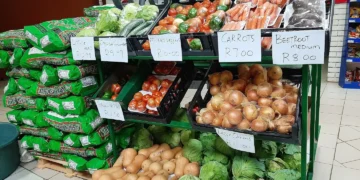
SMEs supplying food products, cleaning materials and fresh produce often depend on stable purchasing agreements with large supermarket chains.
Industry observers say store closures and restructuring can therefore affect not only retail employment but also upstream suppliers and informal businesses operating around retail centres.
Retail property stakeholders also warn that anchor store closures can reduce foot traffic in shopping centres, affecting smaller traders operating nearby.
With the store reset programme completed, attention now shifts to whether Pick n Pay can stabilise its remaining store network and return to sustained profitability by its revised break-even target of 2029.
For SMEs, workers and suppliers linked to the retail value chain, the key question is whether ongoing restructuring will create a more stable trading environment or continue to reduce opportunities in an already pressured sector.