














































South African SMEs may finally be seeing some relief from rising input costs, but a new threat is emerging as weakening consumer demand begins to outweigh the benefits of easing inflation.
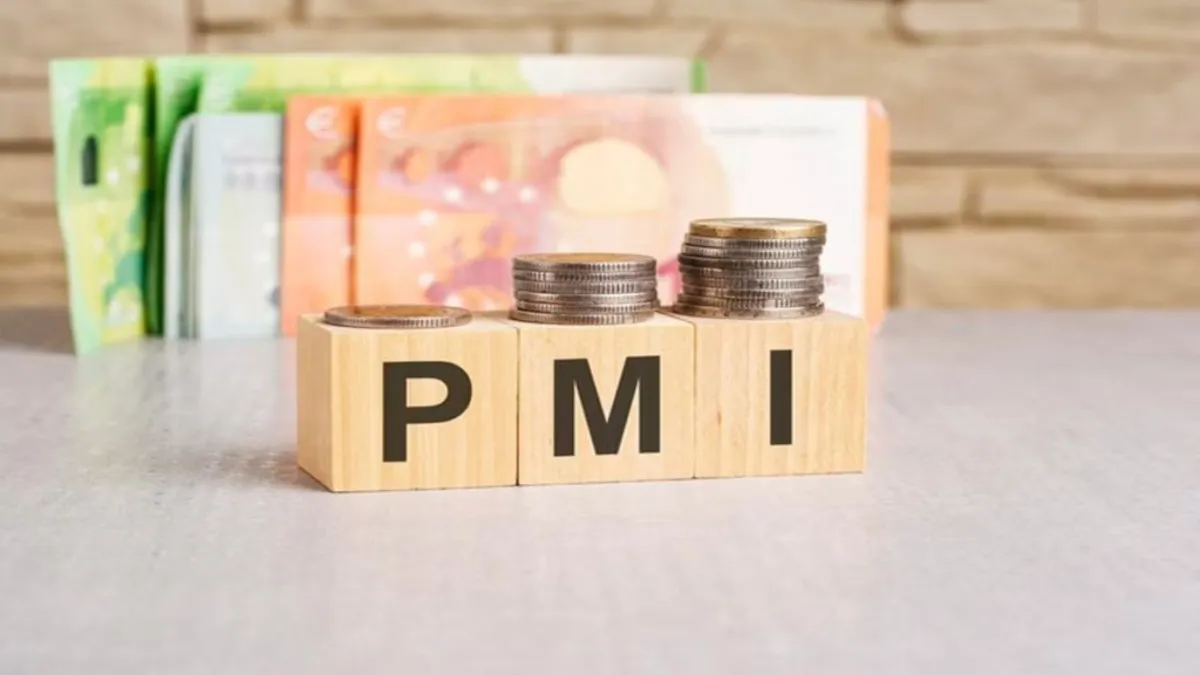
The latest S&P Global Whole Economy Purchasing Managers’ Index (PMI) showed the country’s private sector contracted for a second consecutive month in June, with business activity and new orders declining as demand softened.
For SMEs, the latest figures suggest the operating environment remains challenging, despite inflationary pressures beginning to ease.
The PMI findings come against a backdrop of weakening household finances and a softening labour market. South Africa’s formal sector shed approximately 80,000 jobs in the first quarter of 2026, placing additional pressure on disposable incomes at a time when many households are still recovering from the impact of elevated living costs.
Professor Raymond Parsons, economist at the North-West University Business School, said the decline in take-home pay was another indication that South Africa’s economic recovery had lost momentum.
“It should be seen in conjunction with a recent Debt Rescue Survey that nearly half of South African consumers are experiencing financial pressures and will struggle to manage if the South African Reserve Bank were to raise interest rates further,” Parsons said.
He added that the cumulative impact of recent high-frequency economic data suggested second-quarter GDP growth could be negative before improving later in the year.
Professor Waldo Krugell, economist at North-West University, said weaker consumer spending could have consequences far beyond the retail sector.
“Consumer spending was thought to be the main demand-side driver of growth this year, so if they cannot spend, it will have an impact on everything, right back to the sustainability of government debt,” Krugell said.
Consumer spending change affects SMEs
For many SMEs, the shift is not that customers have disappeared altogether, but that they are spending less and becoming more selective with every purchase.
Farai Gumbo, owner of The Daily Grind Provisions, a wholesale wholefoods and speciality grocery store, said shoppers were increasingly prioritising essentials over premium products.
“People are definitely still walking through the doors, and our card machine is active, but the basket composition has completely shifted,” Gumbo said.
The effects of weaker confidence are also being felt by businesses that depend on corporate spending.
Nkosana Vundla, owner of Vundla Creative Media, a commercial signage and digital printing workshop in Midrand, said clients were delaying projects as they waited for greater economic certainty.
“We specialise in brand rollouts and shopfront signage, which is usually the first thing businesses invest in when they feel confident. Right now, even though inflation is cooling, our pipeline is full of delays,” Vundla said.
Economist Elize Kruger said that although a peace framework between the United States and Iran had eased some global uncertainty, business and consumer confidence remained fragile.
She noted that while oil prices had moderated from recent highs, fuel price relief was likely to remain limited unless the rand strengthened further or global oil prices declined more significantly.
Additional economic indicators reinforce the cautious outlook. The PayInc Economic Index, which measures the real value of electronic transactions, declined by 0.9% in June after falling 2.0% in May, reaching its lowest level since November 2025. Although the number of electronic transactions increased year on year, the index suggests inflation and subdued consumer confidence continue to weigh on overall economic activity.