









































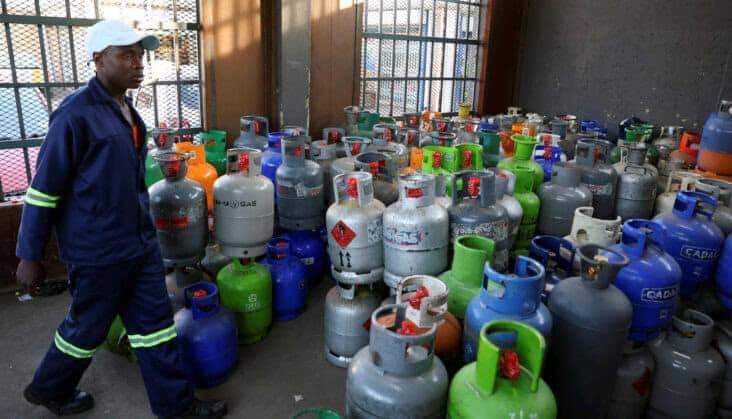
Rising electricity costs are pushing more small businesses to rethink how they power their operations, with restaurants, bakeries, caterers and other energy intensive enterprises turning to liquefied petroleum gas (LPG) alongside electricity.
For many entrepreneurs, the goal is not to completely replace electricity, but to reduce dependence on high energy consuming activities and better manage operating costs.
The shift comes after unpredictable power outages and continued electricity tariff increases.
Businesses look for energy alternatives
Electricity remains essential for most small businesses, powering refrigeration, lighting, security systems, point of sale equipment and other daily operations.
Gas is being used to reduce electricity consumption by businesses that rely heavily on heat, such as bakeries, restaurants and catering companies.
Mashudu Phadziri, owner of home-based Phadzi Bakers in Louis Trichardt, Limpopo, said electricity had become one of the bakery’s biggest operating expenses.
“At our bakery, electricity was becoming one of our biggest expenses. We still need electricity for things like refrigeration, lighting and other equipment, but using gas for baking has helped us reduce our overall energy costs and manage our expenses better,” Phadziri said.
Gas powered ovens can provide an alternative to electric ovens, allowing businesses to use electricity for essential equipment.
LPG suppliers see commercial demand
The growing interest from businesses has also been noticed by LPG suppliers, who say more entrepreneurs are enquiring about gas solutions.
The Liquefied Petroleum Gas Association of South Africa (LPGSA) has identified commercial users, including hospitality businesses and small enterprises, as an important part of the LPG market.
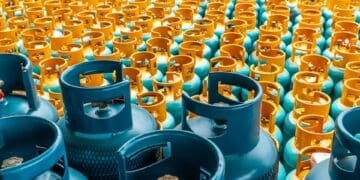
Johannesburg based DEMCO Gas Distributors supplies cylinders and refills to customers, with prices varying according to cylinder size and market conditions.
“We are seeing increased demand from food businesses and small manufacturers. Businesses want more predictable costs and solutions that allow them to continue operating,” the supplier said.
In Johannesburg, LPG Paintworks supplies LPG cylinders and refills for residential and commercial users. The company lists a 9kg cylinder refill or exchange at about R340, while a 19kg cylinder refill or exchange costs around R650. Larger 48kg commercial cylinders are priced at approximately R1,600, depending on supplier conditions.
The cylinder cost is only one part of the investment for small businesses. Entrepreneurs must also budget for gas appliances, installation, regulators and safety inspections.
Reliability becomes reason to switch
For some small businesses, the decision to use gas is also about keeping operations running during electricity disruptions.
Relebogile Masodja, owner of a small eatery, said the business moved some kitchen equipment to LPG to improve flexibility.
“We cannot operate without electricity, but using gas for cooking means we are not putting all our energy costs on one source,” Masodja said.
She added that customers still expect businesses to operate despite power challenges.
“Customers still expect service even when there are power cuts. Having gas gives us an opportunity,” she said.
Energy experts caution that switching to gas does not automatically guarantee lower costs for every business.
Independent energy analyst Tshepo Kgadima said the financial benefit of switching to gas depends on the type of business, consumption levels, equipment and LPG prices in a specific area.
“Businesses need to look at their full energy profile before making the switch. Gas can provide reliability and flexibility, but the numbers must make sense for each operation,” said Kgadima.