














































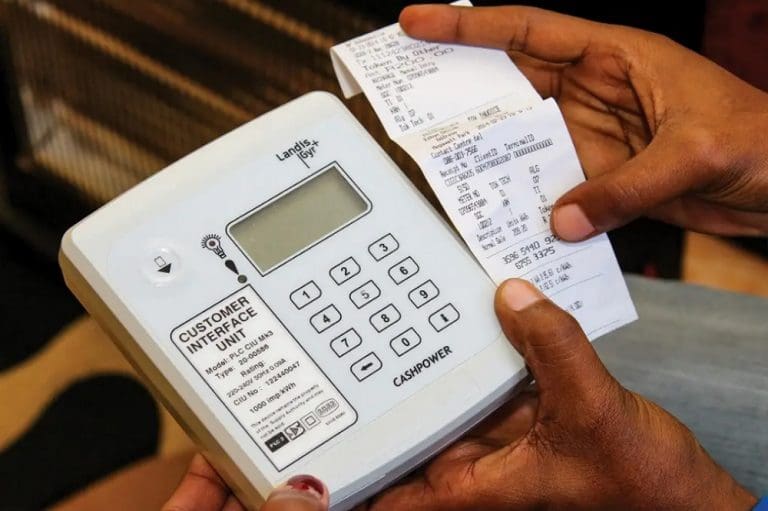
Small businesses could get a clearer breakdown of their electricity costs under proposed changes to South Africa’s electricity pricing system.
The cabinet has approved the publication of the Revised Electricity Pricing Policy for public comment, with the policy proposing greater transparency by separating electricity tariffs across generation, transmission, distribution and retail activities.
The policy updates the 2008 Electricity Pricing Policy to reflect developments in the electricity sector, including the unbundling of Eskom, the growing participation of independent power producers and the implementation of the Electricity Regulation Amendment Act, 2024.
Electricity remains a significant business expense, particularly for SMEs such as spaza shops, restaurants, salons, retailers and small manufacturers that depend on reliable power to operate.
Making electricity costs clearer
The revised policy aims to strengthen the regulatory framework governing electricity prices, tariffs and charges while consolidating arrangements between generators, traders, the National Transmission Company South Africa (NTCSA) and distributors.
These interfaces will be enabled and regulated by the National Energy Regulator of South Africa (NERSA).
Electricity and Energy Minister Kgosientsho Ramokgopa said the changes would help customers understand the different costs behind their bills.
“We separate from the conversion of coal to electricity. We separate it from the cost of transmission. We separate it from the cost of administering,” Ramokgopa said.
Energy analyst Matthew Cruise, a management committee member at the South African Independent Power Producers Association (SAIPPA), described the reforms as a positive step towards unbundling Eskom and creating a more open electricity sector.
“Part of what is now being implemented as legislation is like a precursor to the unbundling. And it provides certainty to the market on how the pricing policy will be approached,” Cruise said.
Cruise said Eskom had already introduced separate line items for its direct customers, including a generation capacity charge linked to maintaining reserve power capacity.
Greater visibility of these costs could help SMEs understand their electricity bills and make more informed decisions about energy consumption and operating expenses.
What it means for SMES
For Thabiso Raselaya, owner of Phenomenal Treats, an online bakery that makes cakes and pastries and delivers around Pretoria, electricity is a direct production cost.
“Electricity is expensive, and as a small business it is something we have to take seriously because we use electricity every day to produce our products. When the cost of electricity goes up, it puts more pressure on the business because we still have other costs to consider,” Raselaya said.
He said clearer bills could also help entrepreneurs plan their finances.
“As a small business, you need to know where your money is going. If the electricity bill is not clear, it becomes difficult to plan properly because electricity is part of the cost of producing what we sell,” Raselaya said.
Cruise also raised concerns about electricity losses within municipal systems and whether businesses could ultimately be expected to absorb the cost of poor maintenance or electricity theft.
“I can just imagine businesses and households inside municipalities saying ‘Why should I pay for their failure to maintain their grids and also ensure there’s not electricity theft?’” he said.
The policy will introduce a cap on the amount that can be charged for electricity losses, although Cruise expects debate around how this will work.
A more competitive electricity market
The revised policy supports cost-reflective tariffs while protecting vulnerable users and strategic economic sectors. However, greater transparency does not automatically mean cheaper electricity.
The reforms are being introduced alongside the draft Electricity Sector Market Transformation Position Paper, also approved for public comment.
The position paper proposes moving towards a more competitive electricity market by reducing reliance on a single supplier and enabling greater participation in generation and trading.
Government says the reforms could improve energy security and reliability, attract investment in electricity infrastructure, support job creation and economic growth, and reduce electricity costs over the long term.
A more competitive market could create opportunities for SMEs in renewable energy, energy efficiency, generation and related services, while improved reliability could reduce losses caused by power disruptions.
As the pricing policy moves through public consultation, SMEs will be watching whether greater transparency gives them the certainty they need to manage one of their biggest operating costs.