















































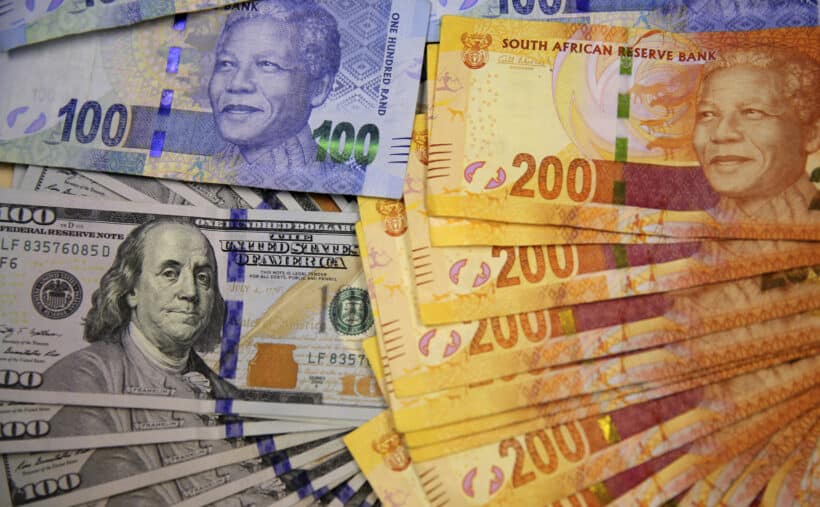
South Africa’s rand strengthened further on Friday, briefly breaking below the R16/$ level to around R15.99/$, its strongest level since before the Iran war.
The rand gained as much as 0.8%, supported by a weaker US dollar and higher gold prices. It was also on track for a third consecutive weekly gain.
The latest move follows Wednesday’s sharp rally, when the rand strengthened from around R16.25 to below R16.08 after the US Treasury announced that it would increase its buybacks of long-dated government bonds.
The announcement pushed 30-year US Treasury yields down by about eight basis points, while the Bloomberg Dollar Spot Index fell as much as 0.7%.
“A more settled bond market today has allowed the dollar to fall back,” said Jane Foley, head of FX strategy at Rabobank, pointing to inflation and supply risks in the background.
What the stronger rand means for small businesses
For South Africa’s small businesses, the rand’s latest rally has a more practical implication. Their money can buy more dollars than it could when the rand was weaker.
That could provide some relief to businesses that import stock, machinery, equipment, components or other inputs priced in dollars.
The difference becomes significant when applied to a real business transaction.
A small business needing to pay a US supplier $10,000 would need about R170,000 at an exchange rate of R17/$.At R15.99/$, the same payment would require about R159,900.
That is a potential difference of R10,100 before bank charges, foreign-exchange costs and supplier pricing.
For a small business operating on margins, savings of that kind can make a meaningful difference, especially for firms that regularly import goods or pay international suppliers.
The stronger rand can also help small businesses that rely on international software, cloud services, digital advertising and other technology platforms priced in US dollars.
When the rand strengthens, these dollar-denominated expenses require fewer rands to settle.
This can give businesses more room to protect margins, manage cash flow or absorb other operating costs.
August has been good for the rand
The rand started August at around R16.56/$ on 1 August and strengthened to about R16.15/$ by 7 August.
The currency continued to strengthen through the month, with the rally accelerating on 19 August, when it moved below R16.08/$ following the US Treasury’s surprise announcement on long-dated bond buybacks.
Investec chief economist Annabel Bishop has previously pointed to improving investor sentiment towards South Africa, stronger state finances and progress at state-owned enterprises as factors supporting the rand.
It means entrepreneurs should be careful about assuming current exchange rates will last.